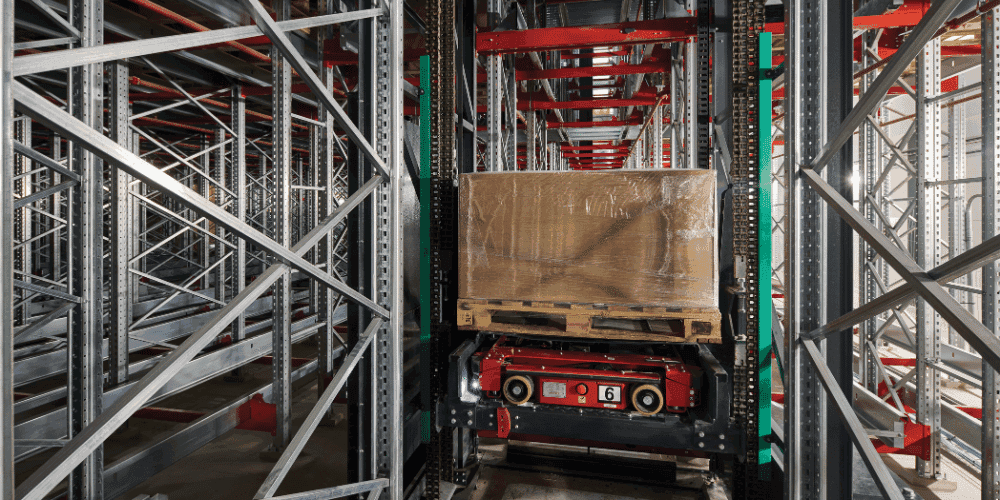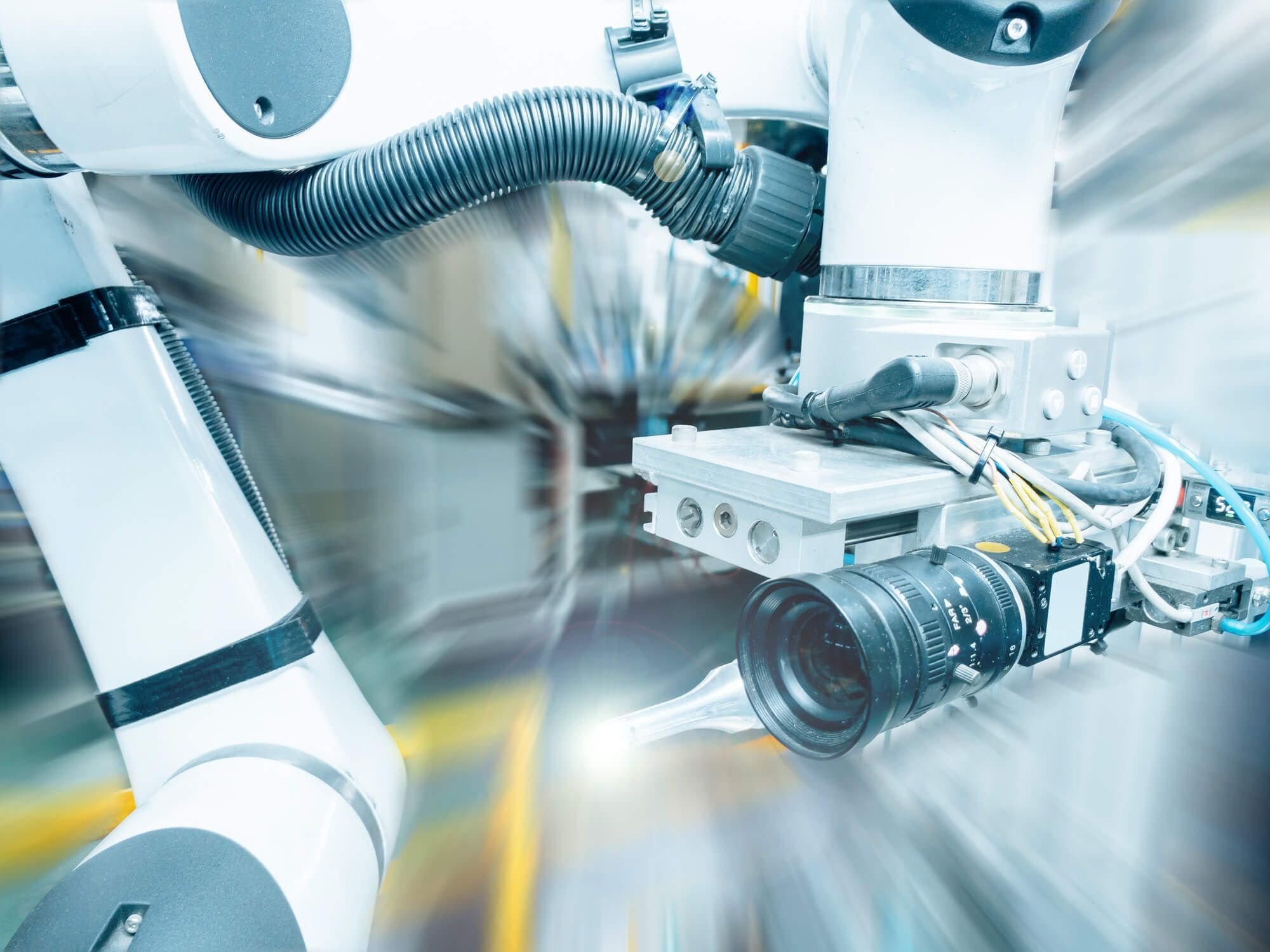
Close-up of vision-guided robotic packaging system with industrial camera supporting real-time inspection and automation integration.

Why Robot Speed Ratings Rarely Match Real-World Throughput

Manufacturers across the UK increasingly rely on published robot speed ratings when evaluating robotic systems for their operations. These ratings, typically expressed as maximum axis speeds or peak cycle times, provide a useful benchmark for comparing different models. However, they consistently overstate the throughput that a robot will deliver in a real production environment. Understanding why robotic throughput in practice diverges so significantly from headline specifications is essential for accurate project planning, realistic performance expectations, and sound investment decisions.

In simple terms, robotic throughput is not the fastest single movement a robotic arm can achieve under test conditions, but the sustained output the system can maintain over real operating hours. That distinction matters across industrial robots used in manufacturing, logistics, vision inspection, bin picking, and other automated applications where the robot must operate as part of a wider process rather than in isolation.

How Robot Speed Ratings Are Derived

Published speed ratings are measured under idealised test conditions. The robot performs a standardised motion cycle with a defined payload, often at the centre of its working envelope where mechanical advantage is greatest. There are no obstacles to avoid, no vision processing delays, no coordination requirements with other equipment, and no variability in the task being performed.


These conditions bear little resemblance to a real production cell, where the robot must contend with variable product positions, vision system latency, gripper changeover time, and the constraints imposed by upstream and downstream material flow.
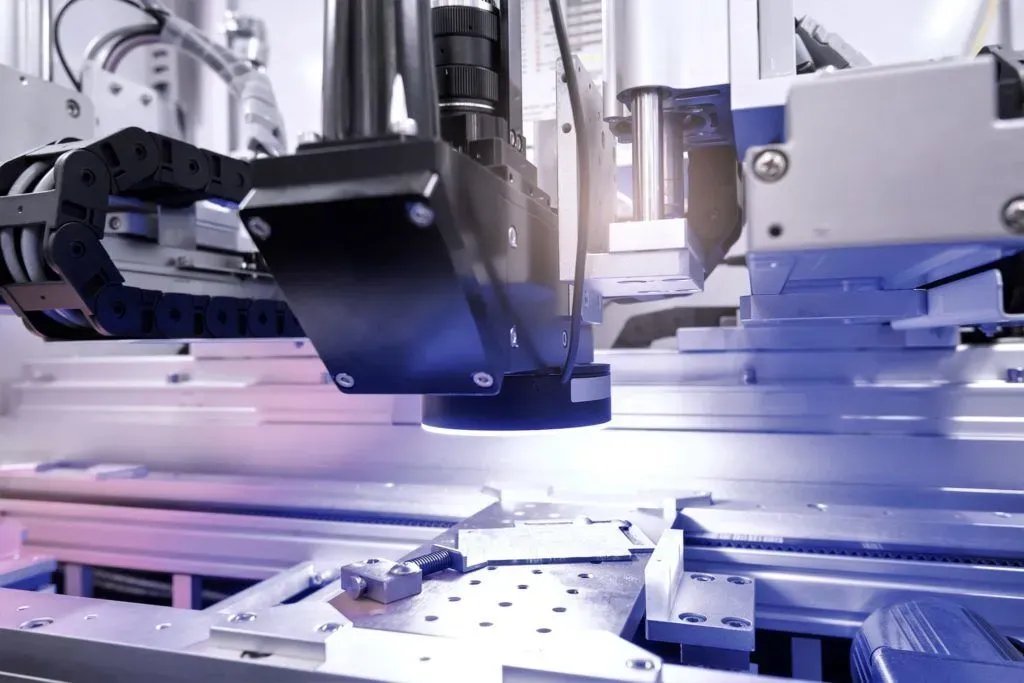
Machine Vision Systems

The gap between test conditions and production reality is consistent, predictable, and significant enough to affect project outcomes if not accounted for during specification. Failing to adjust for this gap is one of the most common causes of capacity shortfalls in new robotic installations.


This is especially true for vision-guided robots and advanced vision-guided robots, where flexibility in handling variable inputs often comes with an unavoidable processing overhead that is absent from standard speed tests.


Factors That Reduce Real-World Robotic Throughput


Several factors consistently reduce actual throughput below published ratings:

Path complexity

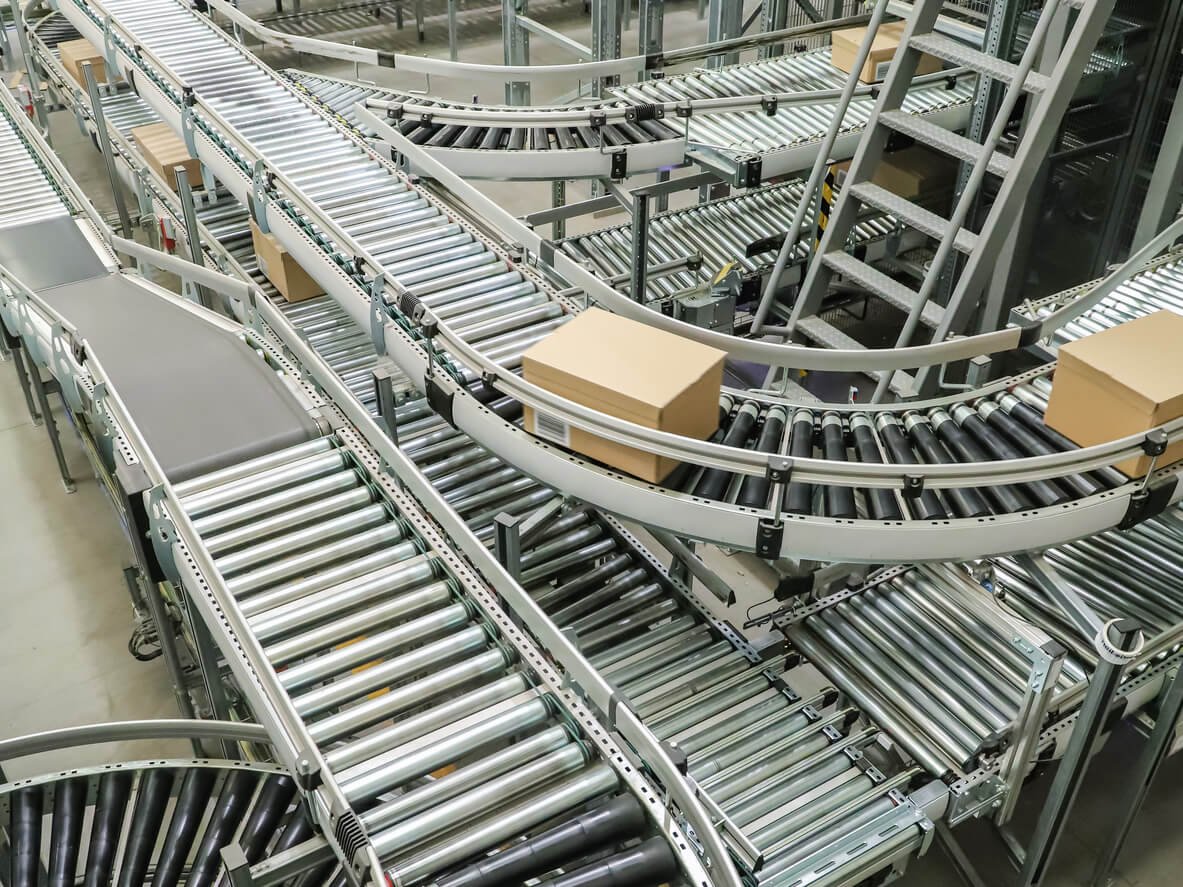
Real-world pick and place operations require the robot to navigate around fixtures, conveyors, guarding, and other equipment, adding distance and time to every cycle compared to an unobstructed test environment.

Vision processing latency

When a vision system is used to locate products, the time required for image capture, processing, and coordinate calculation adds directly to the cycle time and cannot be reduced below a minimum threshold.

Acceleration and deceleration limits

Maximum speed is only achieved briefly at the midpoint of a move; the majority of cycle time is spent accelerating and decelerating, particularly for the short moves that characterise most pick and place operations.

Payload variation

Handling products of varying weight shifts the robot's dynamic performance, as heavier loads require reduced speed and acceleration to maintain accuracy and comply with safety requirements.

Coordination delays

Time spent waiting for conveyors, other robots, or downstream processes to be ready reduces the robot's productive cycle rate and introduces variability into what would otherwise be a consistent cycle.

These effects are particularly visible in applications such as bin picking, vision inspection, and precision handling, where a robot may be mechanically capable of moving quickly but cannot complete the full task until perception, confirmation, and downstream coordination are complete.

The Gap Between Peak and Sustained Robotic Throughput

Even when a robot achieves its rated cycle time on a single pick, sustained throughput over a full shift is always lower. Factors such as product changeovers, error recovery, gripper maintenance, minor stoppages, and the natural variability of real product flow all consume time that is not captured in peak speed ratings.


A robot rated for twenty picks per minute under test conditions may sustain fourteen to sixteen picks per minute in a well-optimised production cell. In less optimised environments, the gap can be even wider. This discrepancy must be accounted for in system design, line balancing, and return-on-investment calculations.

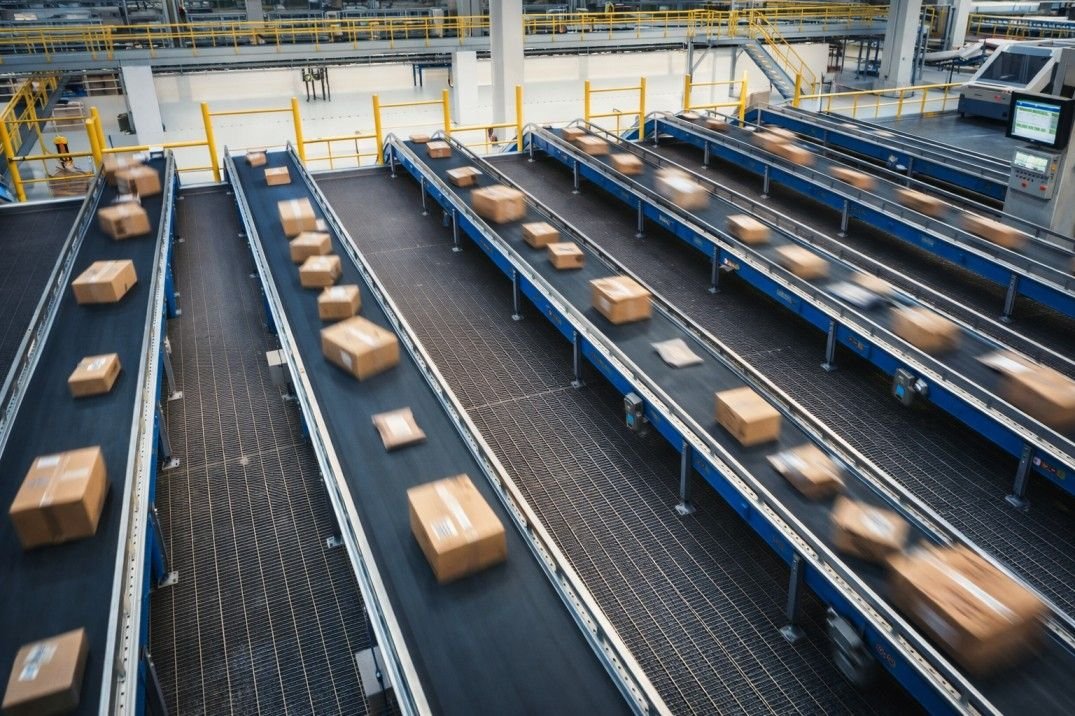
Robotic pick and place system handling cartons on a warehouse packaging conveyor for automated order fulfilment

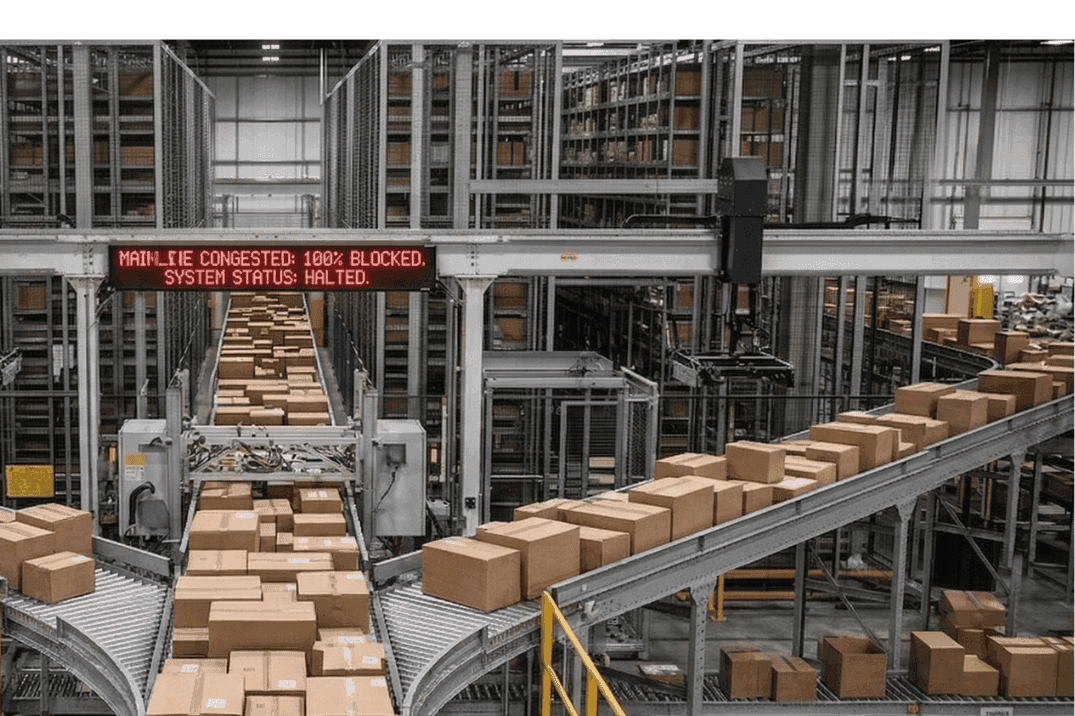
Basing capacity planning on peak ratings rather than sustained robotic throughput will result in undersized systems that cannot meet production targets. This is a particularly costly error in operations where the robotic cell is a bottleneck station that governs the throughput of the entire line.


That effect is not limited to one machine. In production lines and wider supply chain operations, the true throughput of a robotic cell influences the performance of everything around it, from upstream feeding to downstream packing, handling, and dispatch. This is one reason why real-world robotic throughput is closely tied to overall manufacturing efficiency rather than just robot motion speed.

How to Specify Robotic Throughput Accurately


Accurate throughput specification requires moving beyond published speed ratings and basing projections on realistic operational parameters. This includes:

Modelling actual path geometries

Incorporating vision processing times

Accounting for product variability

Simulating the coordination requirements with adjacent equipment

Allowing for the efficiency losses that occur during sustained operation

The specification process should also include allowances for the efficiency losses that occur during sustained operation. Reputable system integrators conduct detailed cycle time analyses and provide throughput estimates based on the specific application, not headline specifications. Requesting these application-specific projections and validating them through simulation is a critical step in ensuring that robotic throughput expectations are grounded in achievable reality rather than optimistic theory.

This is particularly important where industrial robots are used for applications such as bin picking, vision inspection, or high-throughput screening-style repetitive handling tasks, where small delays repeated across thousands of cycles create a significant difference between theory and practice.

Setting Realistic Expectations for Robotic Performance

As UK operations invest in robotic automation to enhance efficiency and competitiveness, grounding performance expectations in real-world conditions is essential. Specifying systems based on achievable sustained throughput rather than peak speed ratings ensures that investments deliver the operational outcomes they were designed to achieve, supporting long-term growth and sustained operational resilience.


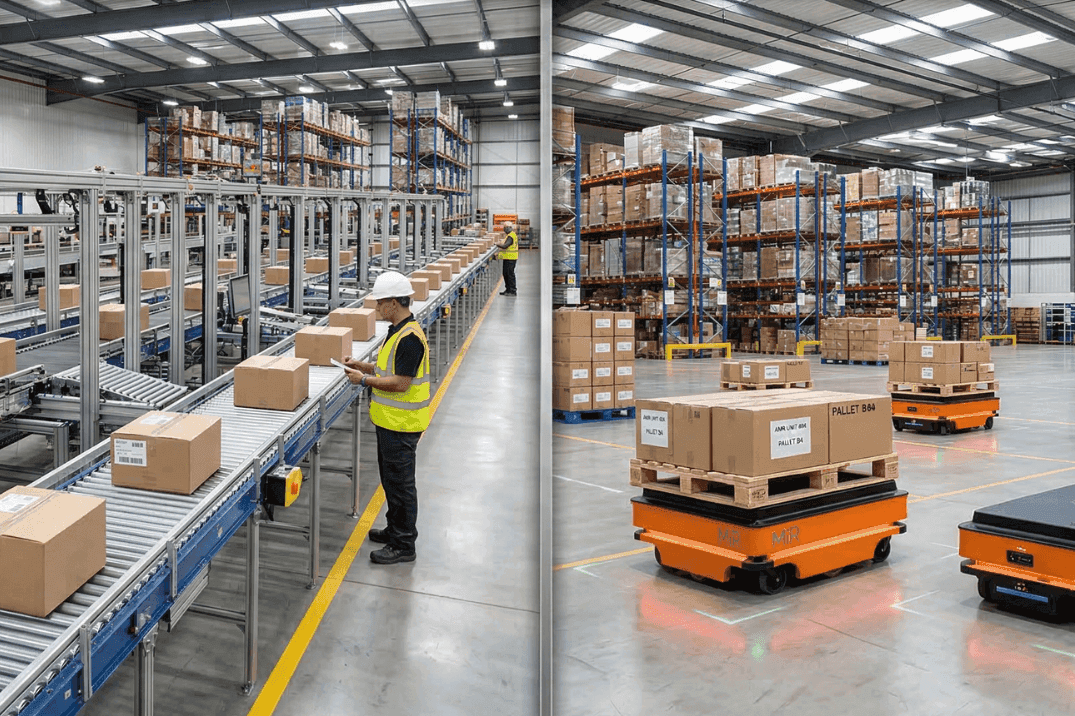
Whether the system uses a single robotic arm, multiple industrial robots, or adjacent technologies such as autonomous mobile robots, the principle remains the same: real performance must be judged in context, under live operating conditions, and over sustained production time. That is the only reliable basis for improving manufacturing efficiency and supporting a more resilient supply chain.

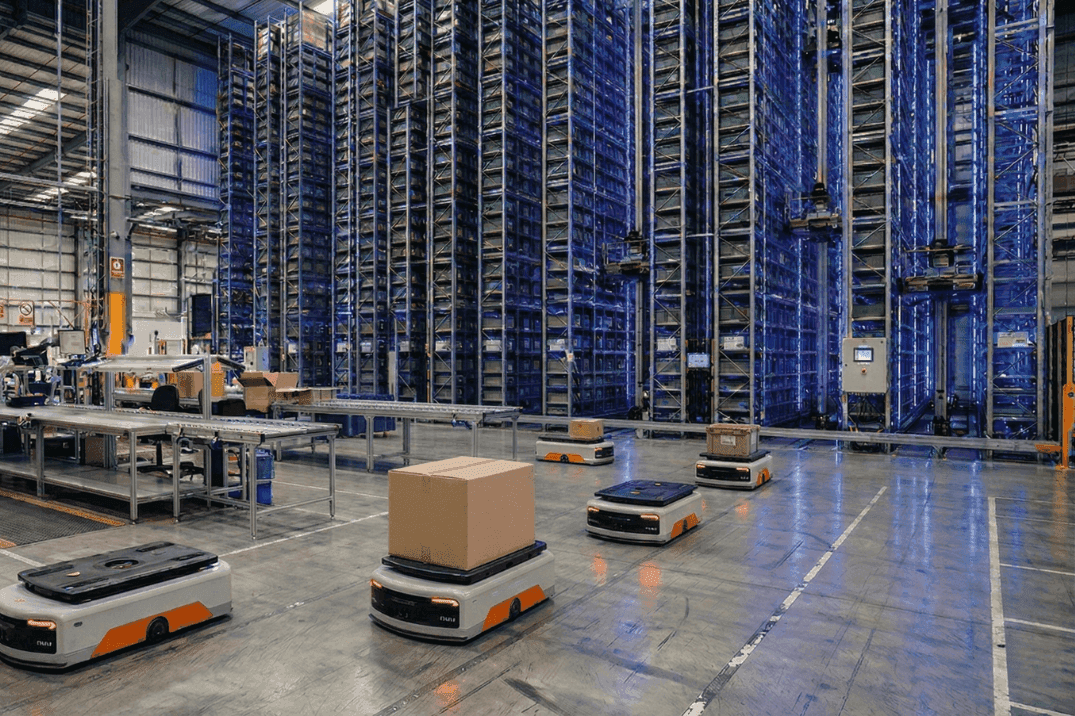
Autonomous mobile robots transporting goods alongside an automated storage and retrieval system in a high-density warehouse, illustrating flexible and scalable automation strategies

Don’t Base Your ROI on Rated Speeds

Robot data sheets provide theoretical peaks, but real-world throughput is won in the system design. Speak to our engineers for a realistic cycle-time simulation and a performance-guaranteed solution.