Robotic Automation in Packaging

How Robotics Are Transforming the Packaging Industry Through Automation and Precision

The packaging industry has undergone a significant transformation in recent years, driven largely by advances in robotics and automation technology. As manufacturers face mounting pressure to increase efficiency, reduce costs, and meet growing consumer demands, robotic solutions have emerged as a critical tool for maintaining competitive advantage. From small-scale operations to multinational production facilities, robotics are reshaping how products are packaged, handled, and prepared for distribution.

Automation Expands Across Modern Packaging Systems


As packaging systems grow more complex, manufacturers increasingly rely on robotics to manage every stage of the packaging process, from primary handling to palletising. Food manufacturers, logistics operators, and large-scale production facilities are now integrating robotic arms, vision systems, pick & place units, and Autonomous Mobile Robots into their operations to support rising throughput demands and reduce manual intervention.

This shift is especially notable in food manufacturing environments, where hygienic operations, food safety compliance, and continuous operation are essential for protecting the supply chain.

The Rise of Robotic Automation in Packaging

The integration of robotics into packaging operations represents a fundamental shift in manufacturing methodology. Traditional packaging lines, which relied heavily on manual labour and mechanical systems, often struggled with inconsistency, limited flexibility, and slower throughput. Modern robotic systems address these challenges by offering unprecedented levels of speed, accuracy, and adaptability.


According to industry research, the global packaging robots market has experienced substantial growth, with projections suggesting continued expansion throughout the coming decade. This surge reflects both technological advancement and practical necessity, as businesses seek solutions to labour shortages, rising operational costs, and increasingly complex packaging requirements.

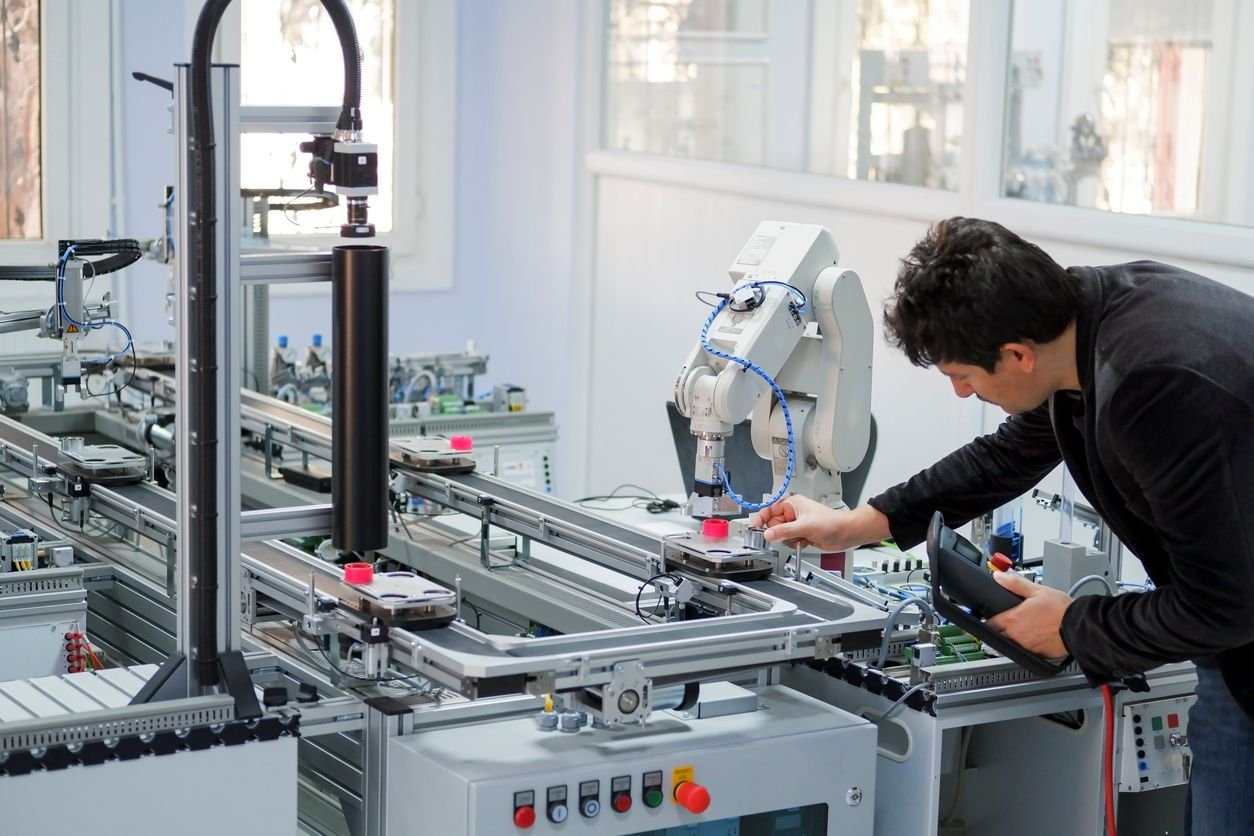
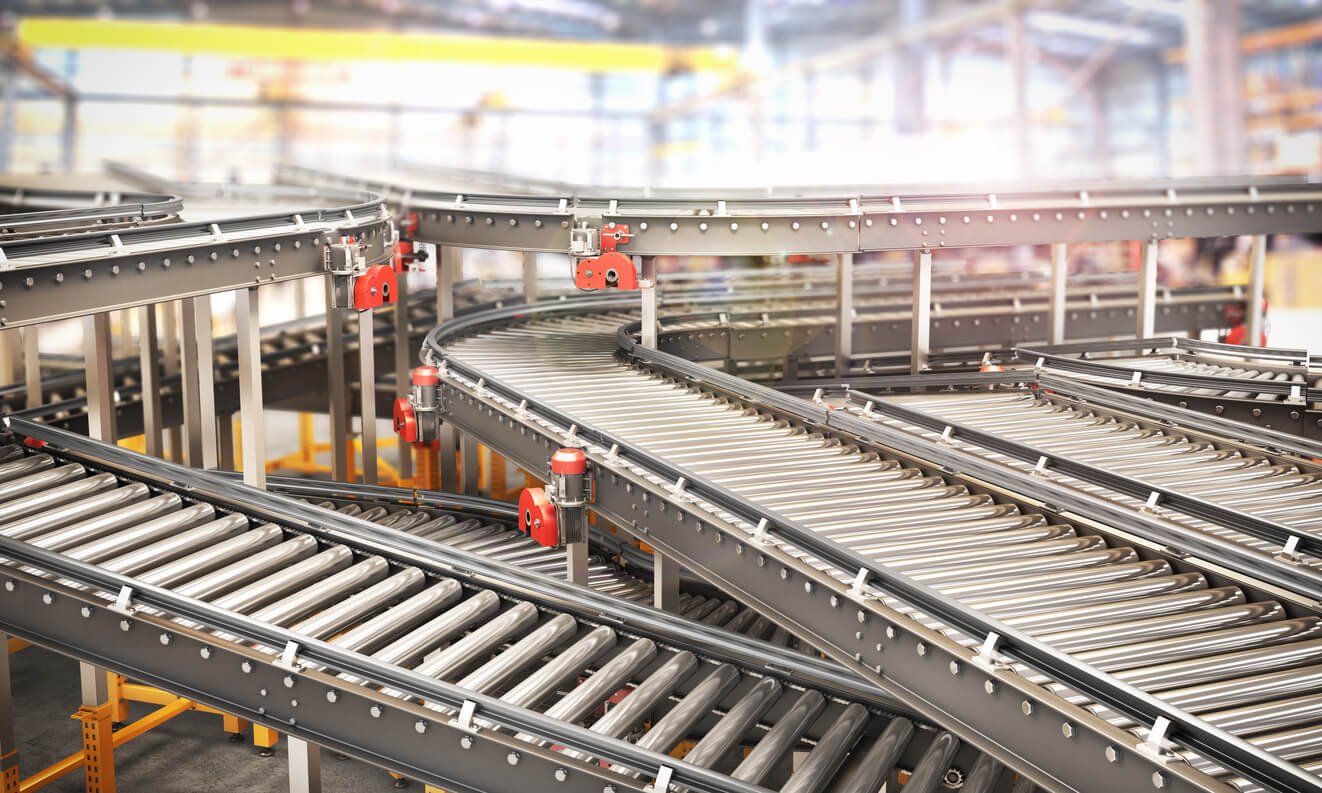
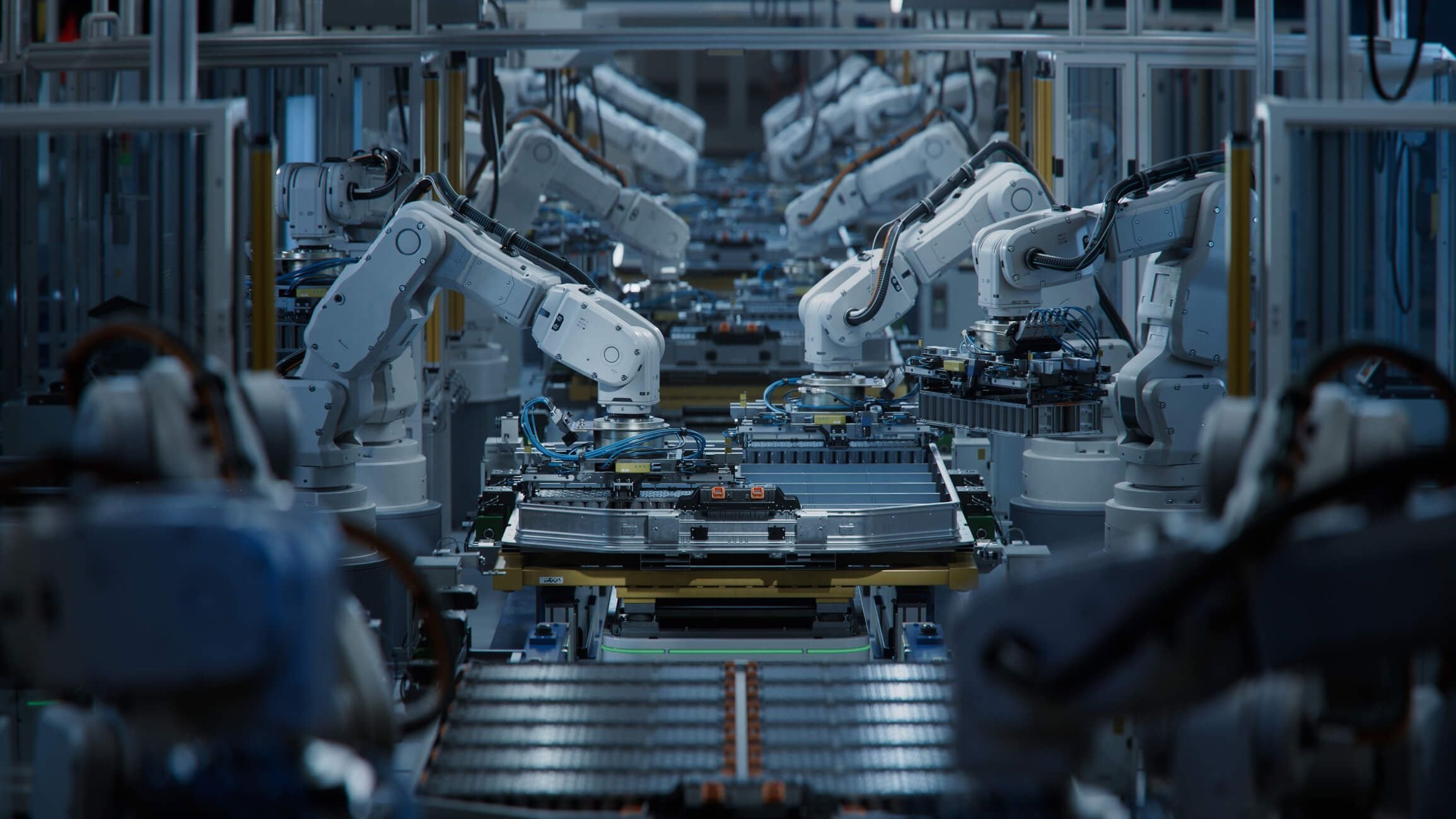
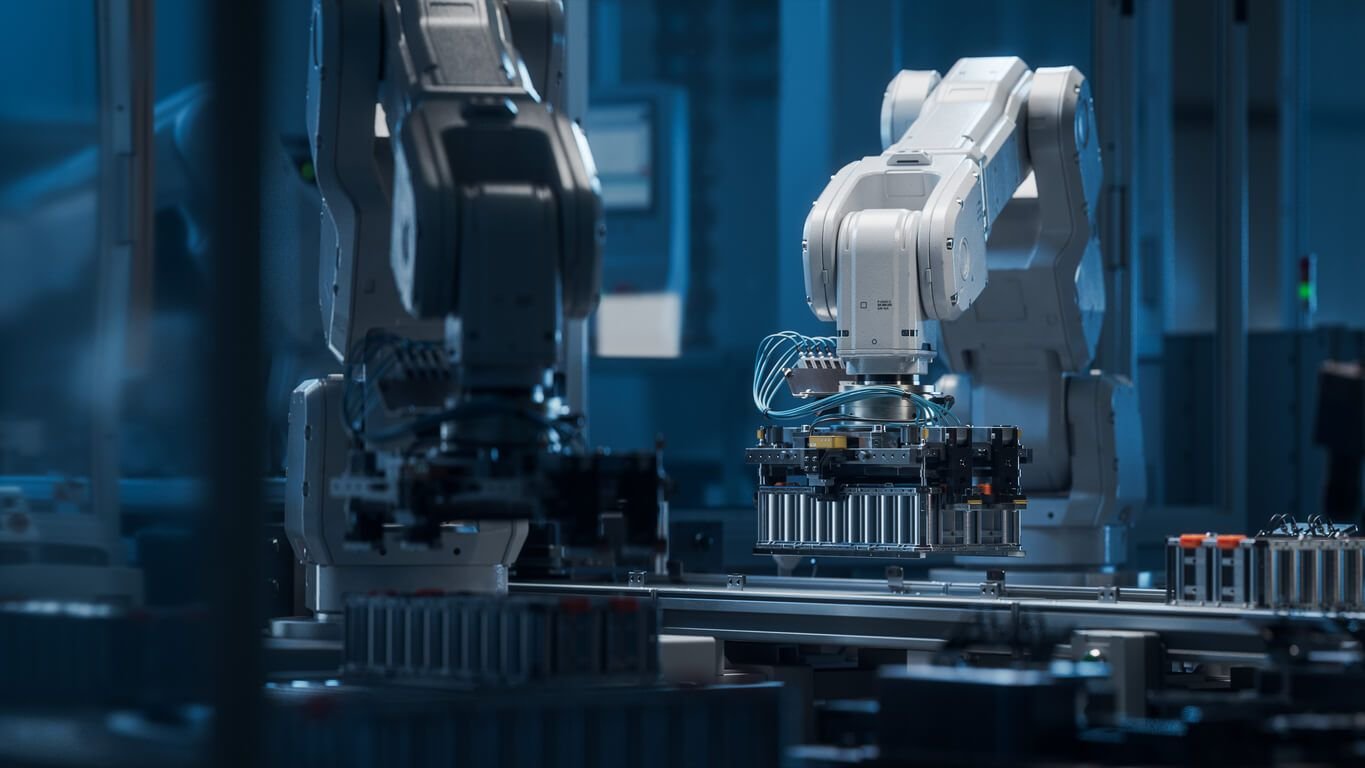
Robotic arms integrated with high-speed conveyors automating packaging operations in an industrial facility.

Robotics Strengthening the Packaging Process Across Industries


Robotic packaging systems designed for multi-format product handling

Food industry automation ensuring food safety and reduced contamination risk

Vision sensors and Artificial Vision technologies guiding orientation and product identification

Automatic Guided Vehicles supporting material flow between packaging areas

Inventory management enhanced by connected robotic workcells

These integrated technologies improve coordination across manufacturing environments and increase reliability within the supply chain.

Key Applications of Robotics in Packaging

Primary Packaging Operations


Robotics excel in primary packaging tasks, where products are placed into their initial containers. Articulated robots and delta robots, known for their speed and precision, can handle delicate items such as food products, pharmaceuticals, and electronics with minimal risk of damage. These systems operate at speeds far exceeding human capability whilst maintaining consistent quality standards.


Pick and Place Functions


One of the most common applications involves pick and place operations, where robots select items from production lines and position them accurately into packaging. Vision-guided systems enable robots to identify products regardless of orientation, adjust grip pressure based on item characteristics, and adapt to variations in size or shape. This flexibility proves particularly valuable in industries with diverse product ranges.


Case Packing and Palletising


Robotic case packers automate the process of arranging products into boxes, cartons, or cases with optimal efficiency. These systems can handle multiple packaging formats and adjust configurations in real-time based on production requirements. Similarly, palletising robots stack completed packages onto pallets following predetermined patterns, ensuring stability during transport whilst maximising load capacity.


Quality Control and Inspection


Advanced robotic systems equipped with machine vision and sensors perform quality inspections throughout the packaging process. These technologies detect defects, verify package integrity, confirm label accuracy, and ensure compliance with regulatory standards. By identifying issues immediately, manufacturers can reduce waste and prevent defective products from reaching consumers.

Advantages of Robotic Packaging Solutions


Enhanced Productivity and Efficiency

Robotic systems operate continuously without fatigue, maintaining consistent performance across extended production runs. This capability enables manufacturers to achieve higher throughput rates and meet demanding production schedules. Many facilities report productivity increases of 25-50% following robotic implementation, depending on the application and previous system capabilities.

Improved Accuracy and Consistency

Robots execute tasks with exceptional precision, ensuring each package meets exact specifications. This consistency reduces product damage, minimises material waste, and decreases the likelihood of costly recalls. In sectors such as pharmaceuticals and food production, where precision is paramount, robotic accuracy provides both economic and safety benefits.

Flexibility and Scalability

Modern robotic systems offer remarkable adaptability, with programming capabilities that allow rapid changeovers between different products or packaging formats. This flexibility enables manufacturers to respond quickly to market demands, introduce new products efficiently, and accommodate seasonal variations in production volume.

Workplace Safety Improvements

By automating repetitive, physically demanding, or potentially hazardous tasks, robotics reduce workplace injuries and create safer environments for employees. Workers can transition to supervisory roles, quality assurance positions, or other value-added activities that require human judgment and problem-solving skills.

Technological Innovations Driving Progress

Collaborative Robots


Collaborative robots, or cobots, represent a significant development in packaging automation. Designed to work alongside human operators without safety barriers, cobots combine robotic precision with human flexibility. These systems are particularly suited to smaller operations or businesses seeking gradual automation implementation.


Artificial Intelligence Integration


The incorporation of artificial intelligence and machine learning enables robotic systems to optimise their own performance over time. These technologies allow robots to predict maintenance requirements, adjust to production variables, and continuously improve efficiency based on operational data.


Internet of Things Connectivity


IoT-enabled robotic systems communicate with other equipment and management software, creating integrated production environments. This connectivity facilitates real-time monitoring, predictive analytics, and coordinated operation across entire packaging lines.

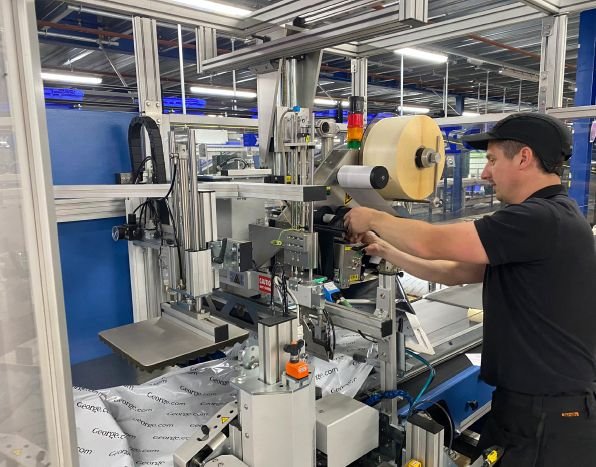
Collaborative robotic in industrial setting

Vision Technologies Transforming Product Packaging

The increasing use of vision inspection systems, Computer Vision, Deep Learning, and vision-guided product detection has significantly improved how manufacturers assess product quality and orientation. In the food packaging sector, artificial vision tools help maintain food safety by detecting contamination risks, identifying label inaccuracies, and ensuring conformity before items enter the supply chain.

Vision Technologies Delivering Real Operational Gains


Quality control robots capable of detecting micro-defects undetectable to the human eye

Vision sensors guiding pick and place movements in high-speed environments

Safety sensors ensuring compliance in hygienic operations

Artificial Vision tools supporting food processing system traceability

These advancements support greater reliability across automation-driven packaging systems.

The Future of Robotic Packaging

As technology continues to advance, robotics will assume increasingly sophisticated roles within packaging operations. Emerging developments in gripper technology, sensor capabilities, and processing power promise even greater precision, speed, and versatility. The packaging industry stands at the forefront of a manufacturing revolution, where robotics not only enhance existing processes but enable entirely new possibilities for product delivery and customer satisfaction.


Additionally, the rise of food manufacturing robots, collaborative robotic arms, and integrated warehouse automation platforms will reshape how manufacturers structure the assembly line. Combined with improvements in inventory management, Automatic Guided Vehicles, and next-generation vision technologies, the packaging process will continue shifting toward fully coordinated, data-driven manufacturing environments.

Robotic arms integrated with high-speed conveyors automating packaging operations in an industrial facility.