Why Small Changes Have Disproportionate Effects on Conveyor System Optimisation
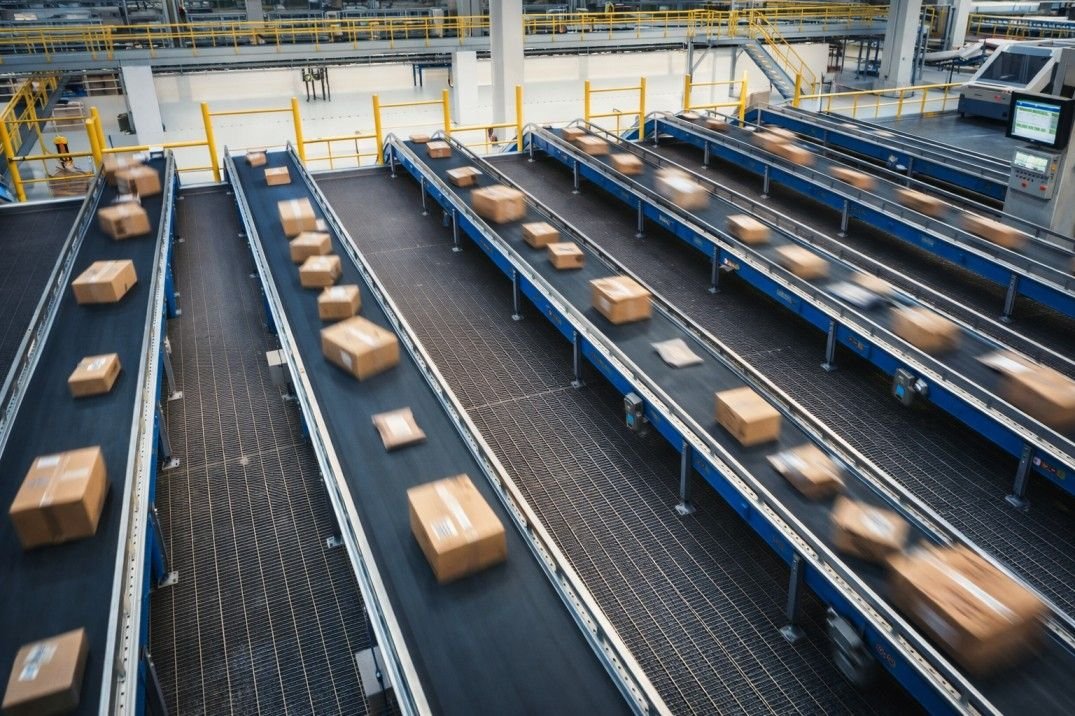
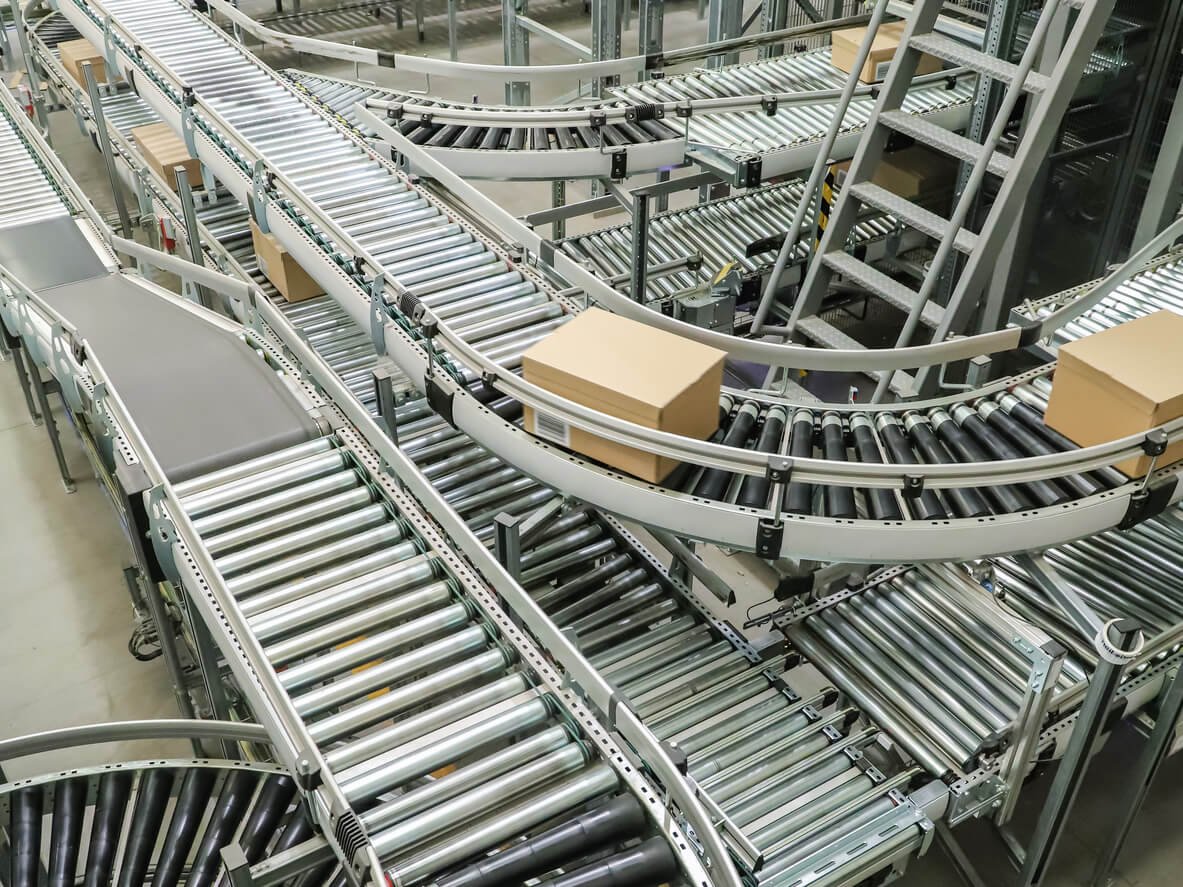
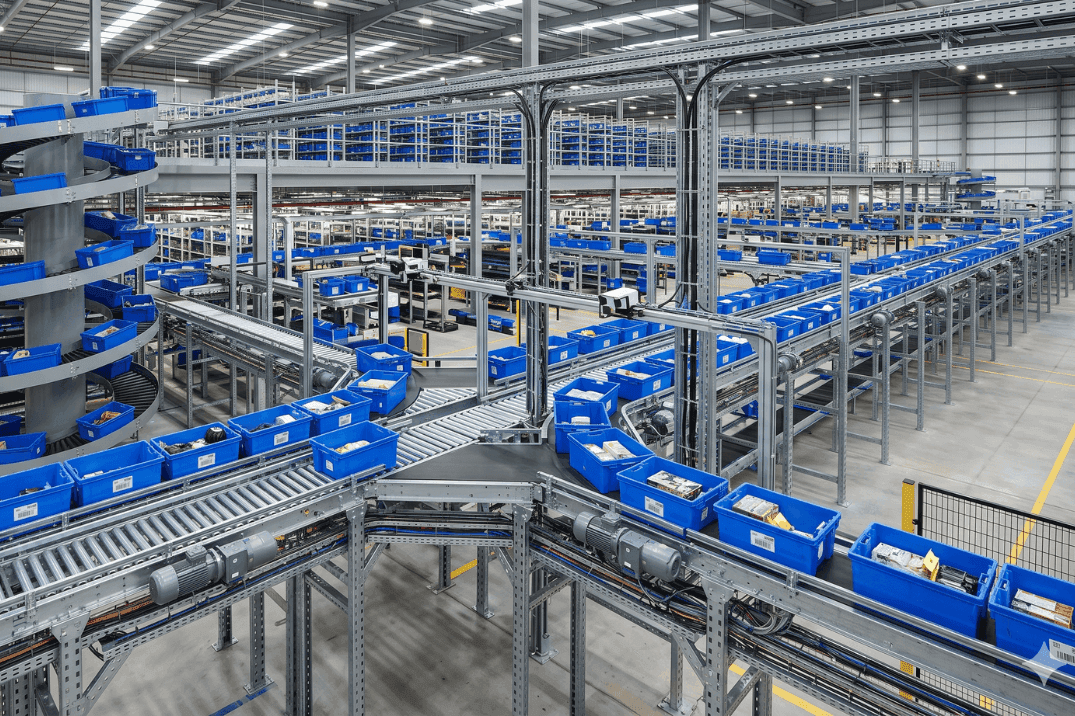
A conveyor system is not a collection of independent components; it is an integrated network where the behaviour of each section influences every other. Adjusting the speed of a single zone affects the gap timing into the next zone, which in turn affects merge sequencing, accumulation behaviour, and downstream divert accuracy. The system was designed and commissioned as a whole, and its performance depends on the precise calibration of these interactions.
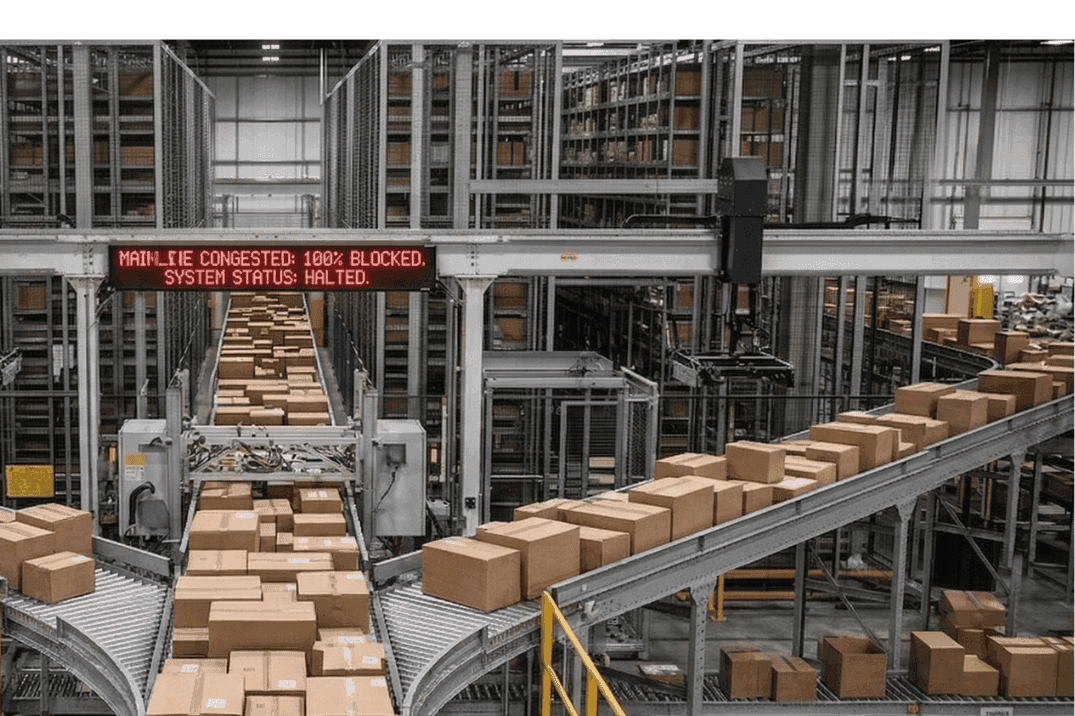
This interconnectedness means that a change made to solve one problem can easily create another elsewhere in the system. The further downstream the effect, the harder it is to trace back to the original modification.
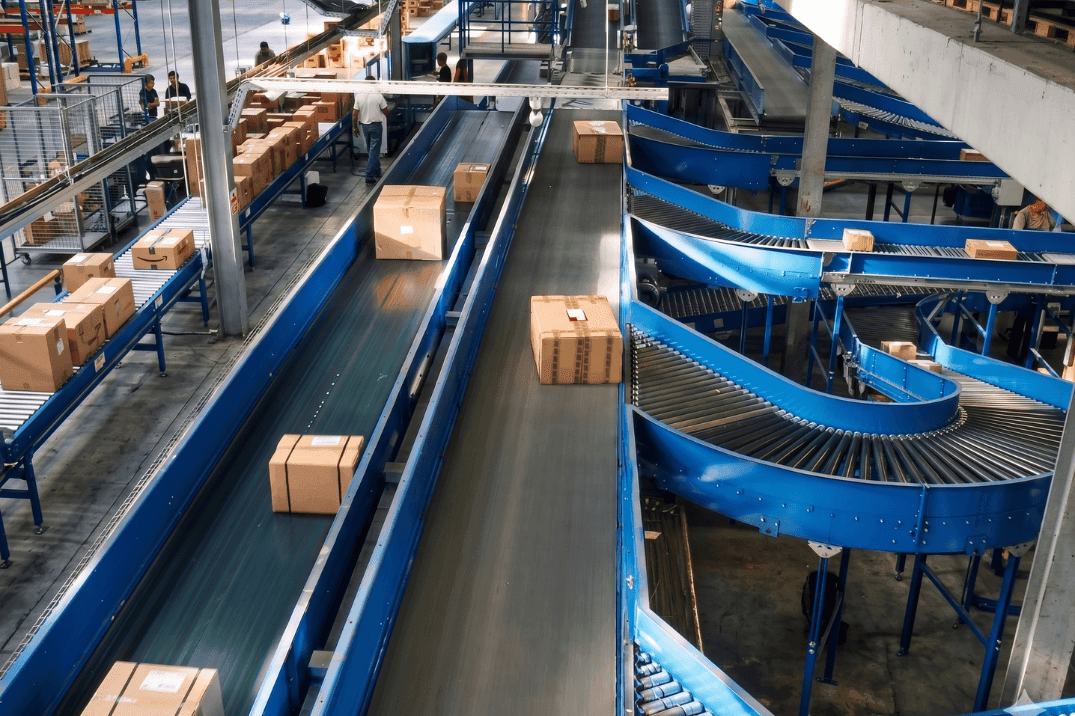
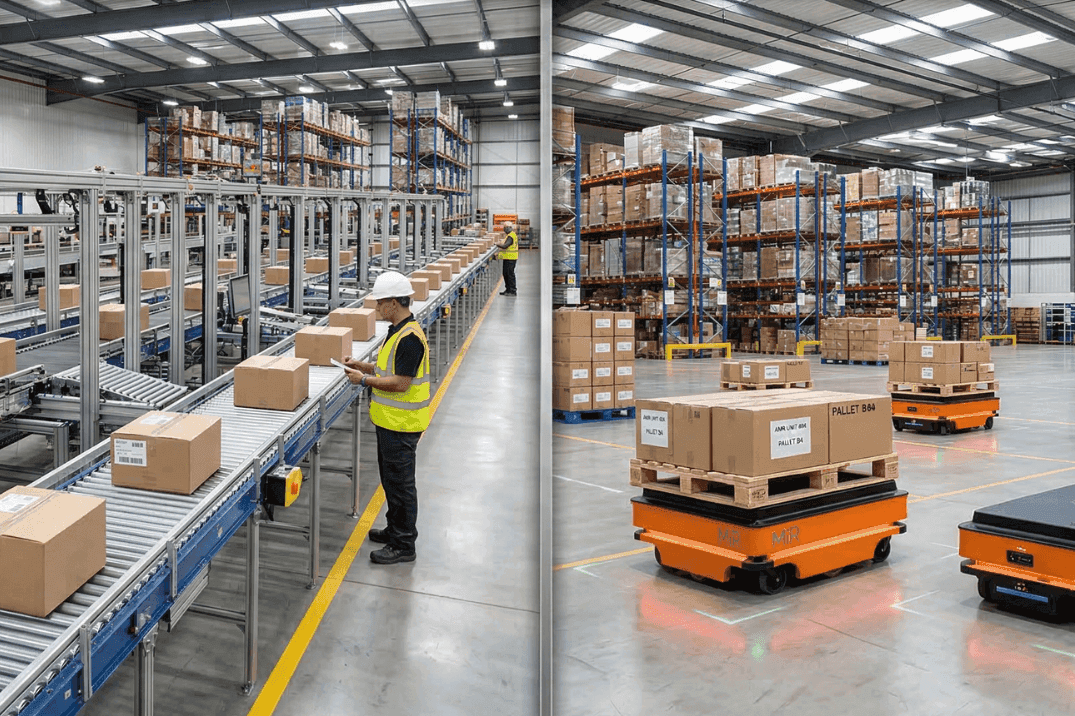
Operations teams frequently find themselves chasing symptoms that originated from a minor adjustment made days or weeks earlier by a different shift. This is especially true in automated systems where belt conveyors, chain conveyor system sections, automated sorting systems, or a warehouse conveyor system must work together as one integrated flow. A local change can disrupt production processes far beyond the point where it was made.