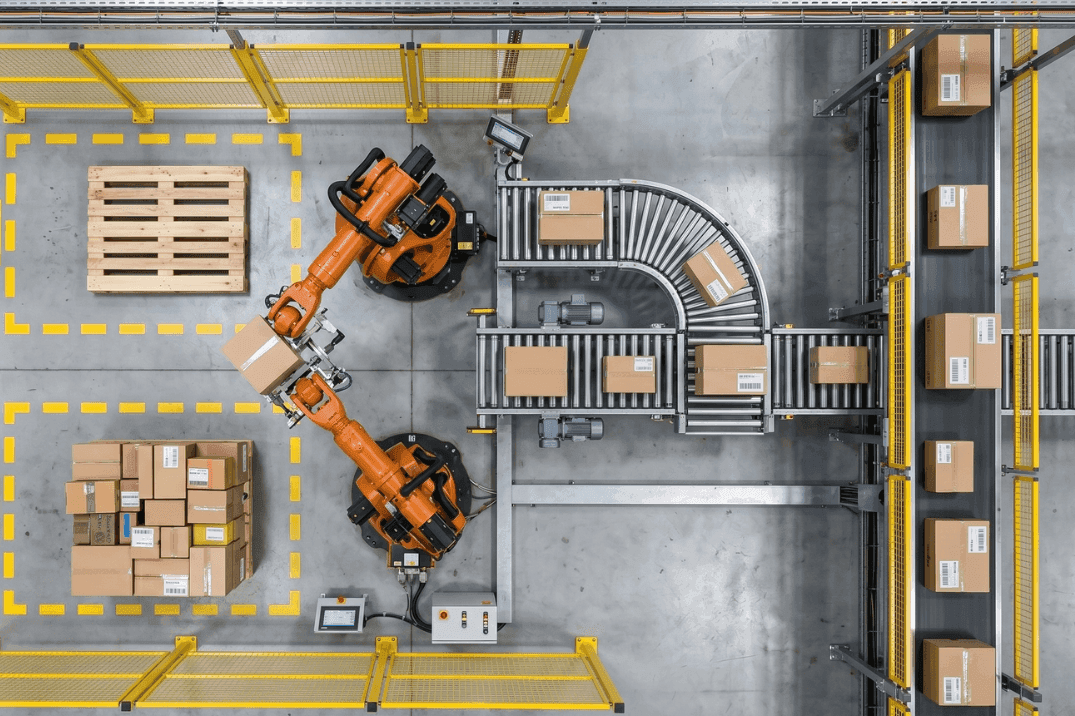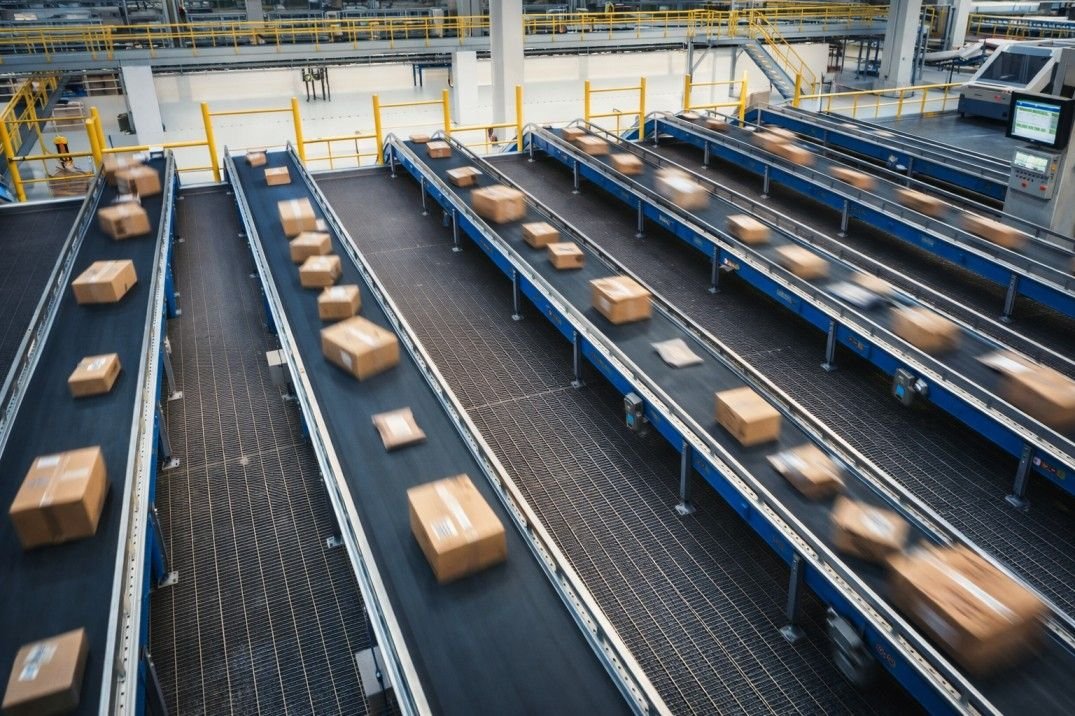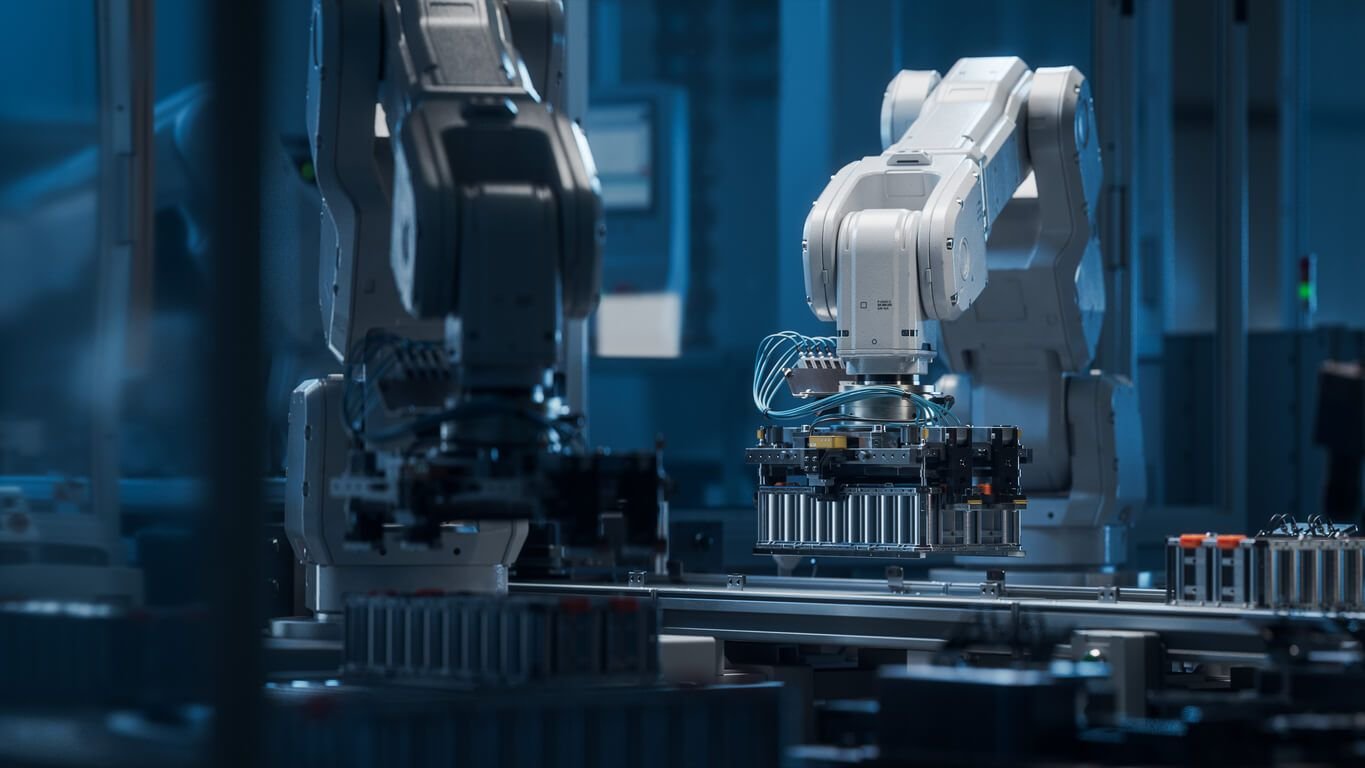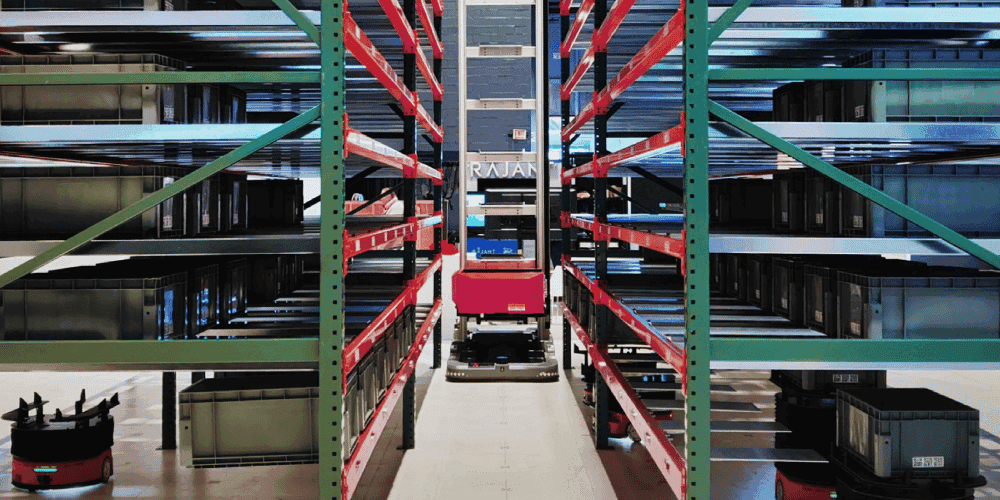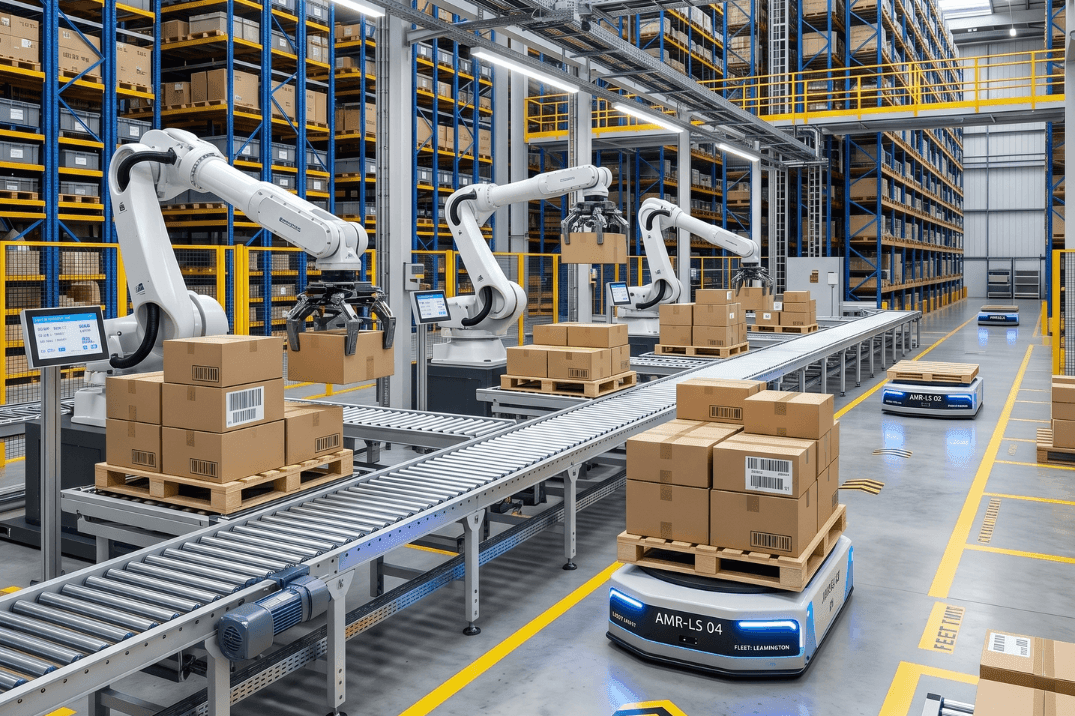
Automated warehouse with robotic picking arms, conveyor system, and autonomous mobile robots integrated with ASRS racking, illustrating system-wide dependencies in warehouse automation

Why ASRS Rarely Fails Alone: Dependencies on Conveyors and Robotics

Within UK warehousing and distribution operations, automated storage and retrieval systems (ASRS) are often evaluated and specified as standalone technologies, assessed on the merits of their storage density, retrieval speed, and capacity. In practice, however, an ASRS does not operate in isolation. It depends on a network of conveyors, robotic systems, pick stations, and software interfaces to receive, store, retrieve, and dispatch products effectively. ASRS integration issues are among the most common and most costly sources of performance problems in automated warehouses, and they almost always involve the systems connected to the ASRS rather than the storage and retrieval hardware itself.

This is true across a wide range of ASRS Technology, from shuttle systems and stacker crane installations to Unit-load ASRS, mini-load ASRS, and goods-to-person system environments. In each case, the performance of the storage engine depends on how well it is integrated into the wider warehouse automation and logistics operations around it.

The ASRS as Part of a Connected System

An ASRS is the storage engine of a wider material handling system. Products arrive at the ASRS via inbound conveyors, are stored by cranes or shuttles, retrieved on demand, and delivered to outbound conveyors, pick stations, or robotic cells for order fulfilment and despatch. Each of these interfaces represents a dependency: a point where the performance of one system directly affects the throughput and reliability of another.


When the ASRS underperforms, the root cause is often not within the ASRS itself but at one of its integration points.
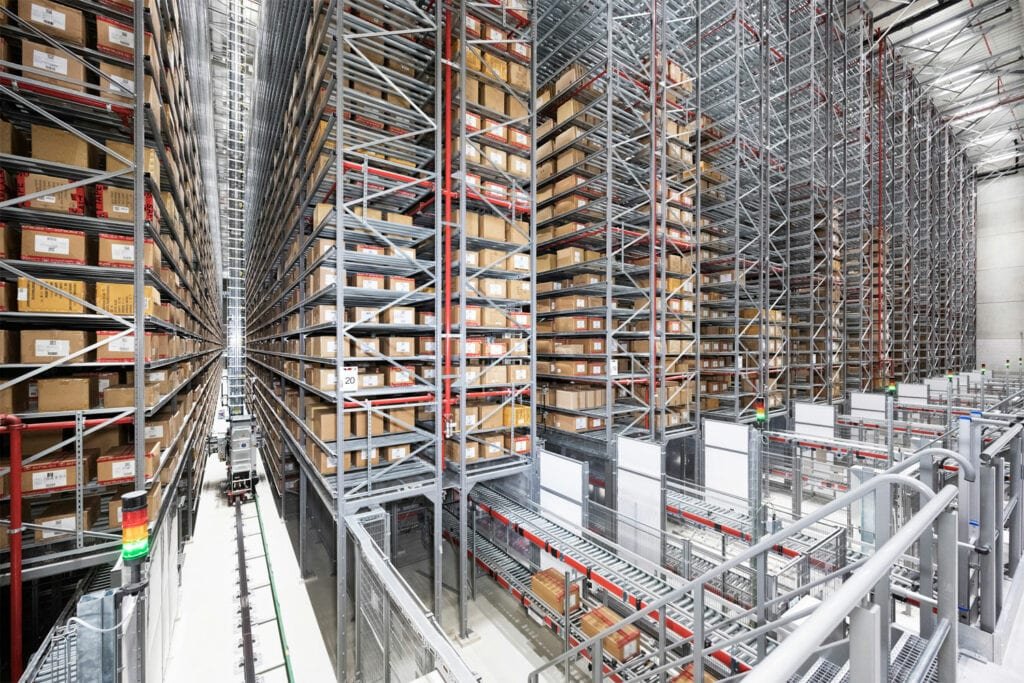
ASRS-44-Pallet storage and Retrieval

A congested outbound conveyor, a slow pick station, or a communication delay with the warehouse management system (WMS) can all throttle ASRS throughput without any fault in the storage and retrieval hardware. Diagnosing performance issues requires a system-level perspective that looks beyond the ASRS boundaries.


That system-level view is essential in environments focused on inventory management, inventory tracking, and inventory accuracy, where the ASRS is expected to support warehouse operations rather than simply store products.


Common ASRS Integration Issues with Conveyors


The conveyor system feeding and removing products from the ASRS is one of the most frequent sources of integration problems that affect overall system performance:

Inbound congestion

If conveyors deliver products to the ASRS faster than it can store them, queuing at the input station creates backpressure that slows the entire inbound flow and may cause upstream processes to stall.

Outbound starvation or flooding

Mismatched retrieval rates and conveyor capacity cause either gaps in outbound flow that leave pick stations idle, or conveyor overloads that trigger stoppages and require manual clearing.

Timing and synchronisation

The handoff between conveyor zones and ASRS input/output points requires precise timing; misalignment causes product jams, missed picks, and cycle time losses that accumulate across every transaction.

These ASRS integration issues are fundamentally problems of system integration and coordination, not deficiencies in any individual component. They can only be resolved by treating the ASRS and its connected conveyors as a single integrated system.

They can also become more complex where pallet types vary, where floor space is limited, or where the wider warehouse space forces tighter layouts than would be ideal for handoff and buffering.

Robotic System Dependencies

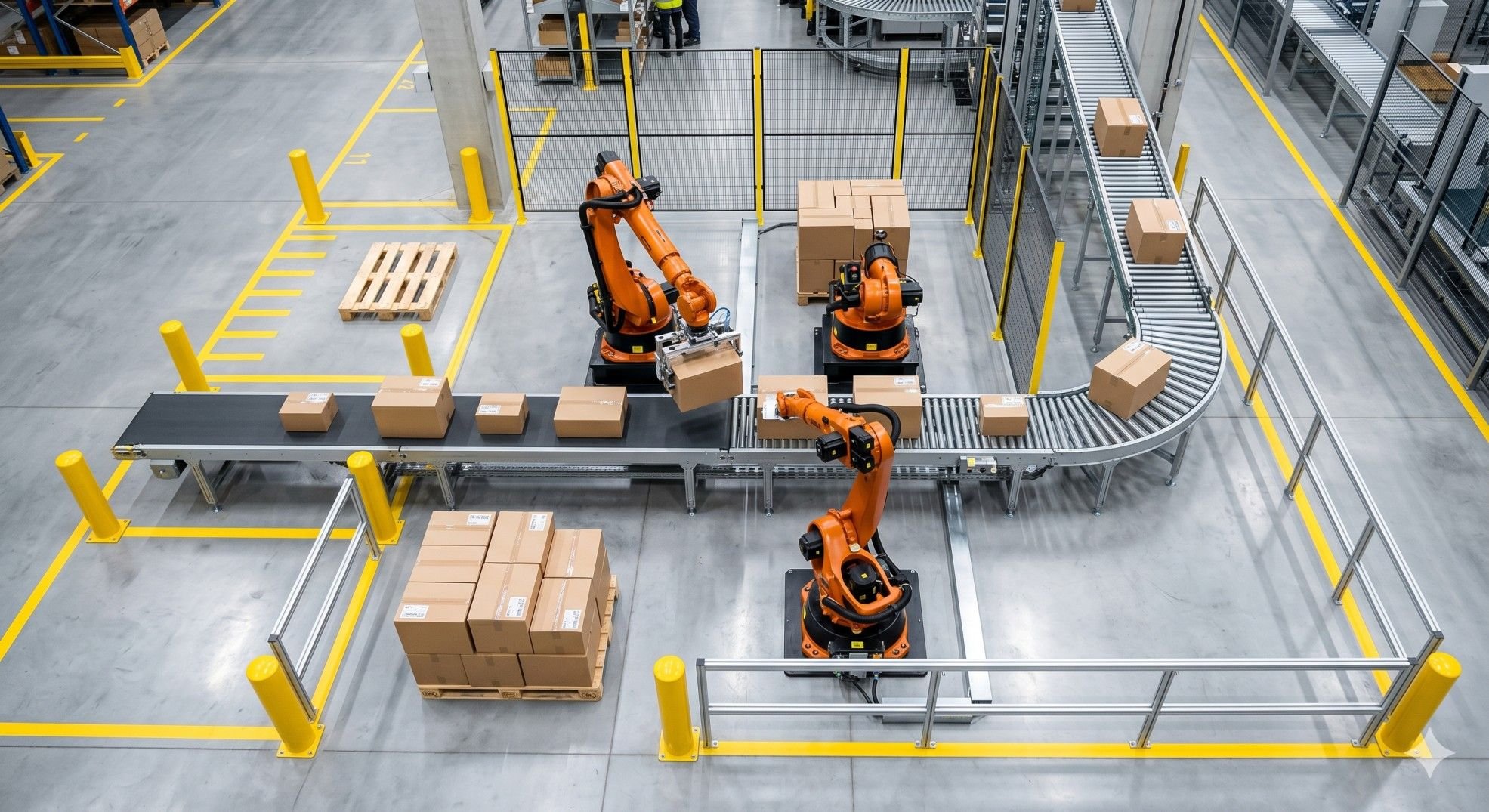
When robotic pick stations or palletising cells are connected to an ASRS, additional integration complexity arises. The robot's cycle time, error recovery behaviour, and buffer management must be carefully coordinated with the ASRS retrieval schedule to maintain balanced flow and prevent either system from constraining the other.


A robotic cell that experiences frequent faults or operates below its expected cycle rate will cause retrieval tasks to queue within the ASRS, reducing its effective throughput and potentially causing storage congestion. 

Top-down view of robotic arms picking cartons from a conveyor system, illustrating integration between robotics and conveyor flow in automated warehouse operations

Conversely, if the ASRS cannot deliver products to the robot fast enough, the robot stands idle, wasting capacity and reducing the return on the robotic investment. This bidirectional dependency means that the performance of the combined system is limited by the weakest link, making balanced design across all connected systems essential.


This dependency is becoming more important as warehouse automation expands to include goods-to-person solutions, mobile robots, autonomous mobile robots, robotic handling, and other robotics solutions that must interact with fixed ASRS infrastructure.

Software Integration as the Common Thread

The majority of ASRS integration issues have a software dimension at their core. Communication protocols between the WMS, the ASRS control system, conveyor PLCs, and robotic controllers must all be correctly implemented, thoroughly tested, and maintained as systems are updated. Data format mismatches, timing errors, priority conflicts between systems, and edge cases in handshake logic are common sources of intermittent failures that are difficult to diagnose and resolve without specialist knowledge.


A robust integration testing programme that validates the behaviour of the complete system under realistic load conditions, not just individual component testing, is essential for identifying and resolving these issues before go-live and preventing them from degrading production performance. This testing should include fault injection scenarios to verify that the system recovers gracefully when individual components experience problems.


In practical terms, this means software integration has to support not just storage and retrieval, but also order fulfillment priorities, warehouse operations logic, and the broader requirements of the automation industry. Poor software coordination can undermine the performance of stacker cranes, vertical lift modules, shuttle systems, and mini-load systems even when the hardware is functioning correctly.

Designing for System-Wide Reliability

As UK operations invest in ASRS as part of their wider automation strategy, recognising that ASRS integration issues are the primary risk to system performance is essential. Designing, testing, and commissioning the ASRS as an integrated component of the complete material handling system ensures that the investment delivers the throughput, reliability, and operational efficiency it was designed to achieve.


The most effective systems are those where the ASRS is treated not as a standalone asset, but as one part of a larger connected solution spanning conveyors, robotics, software, and warehouse processes. That is what allows automated warehouses to maintain stable inventory management, strong order fulfillment performance, and resilient logistics operations over the long term.

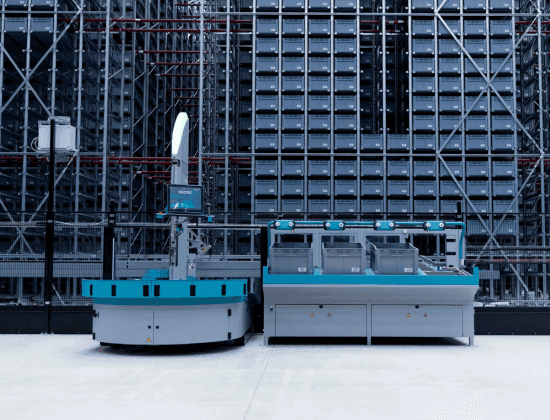
Mini-load automated storage and retrieval system handling totes within dense racking, illustrating a compact ASRS solution suited to retrofit warehouse installations

ASRS Throughput Depends on System Integration

Your storage engine is only as fast as the conveyors and robotics connected to it. Stop normalising handoff bottlenecks and contact us for a system-wide audit to ensure your automation works as one seamless flow.