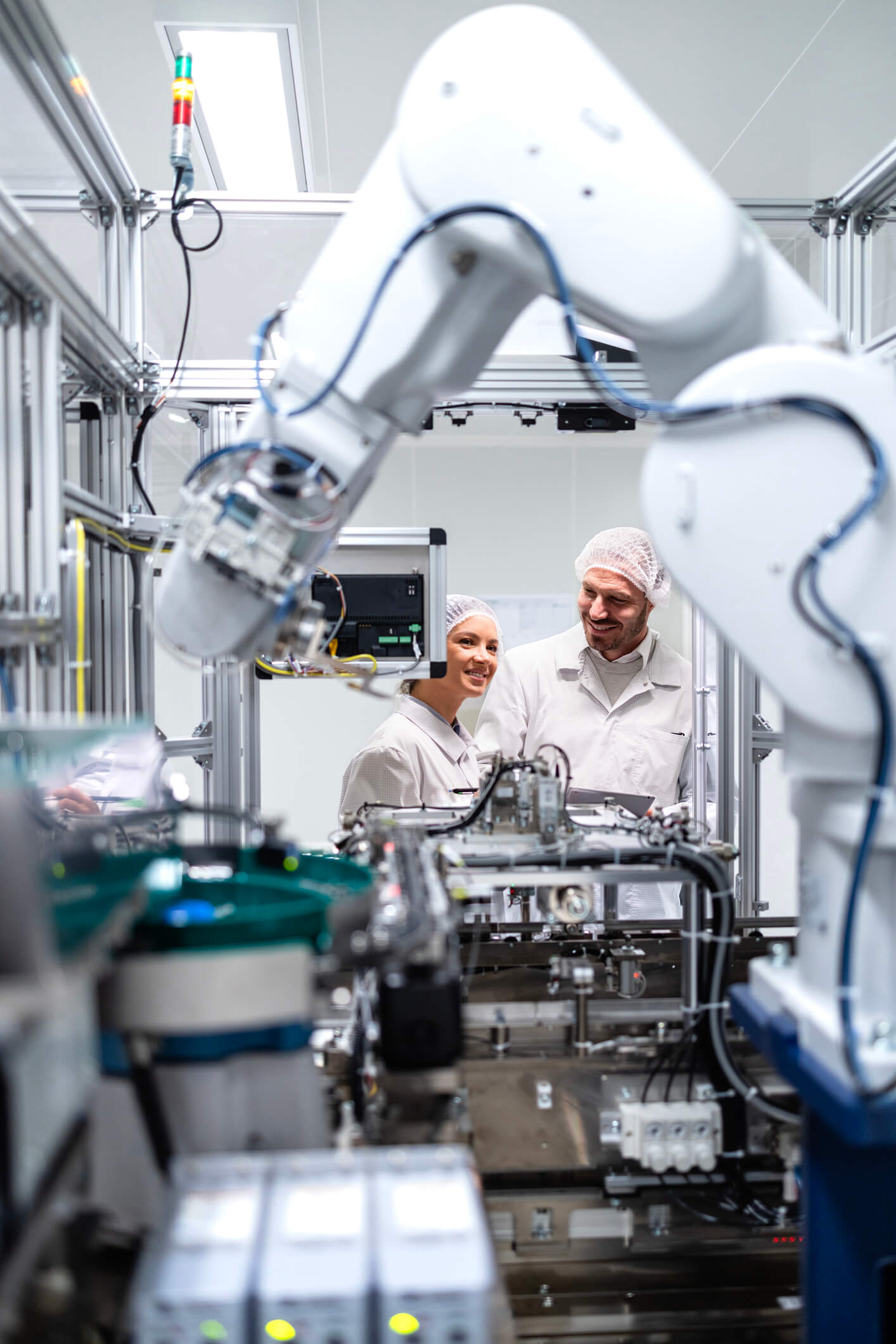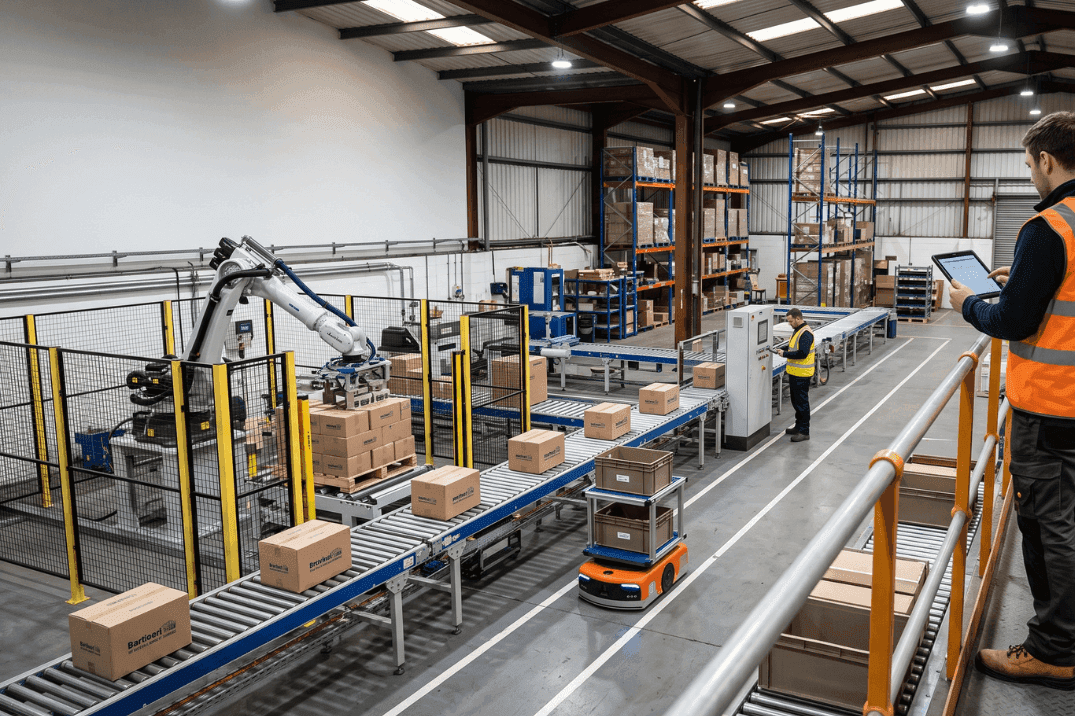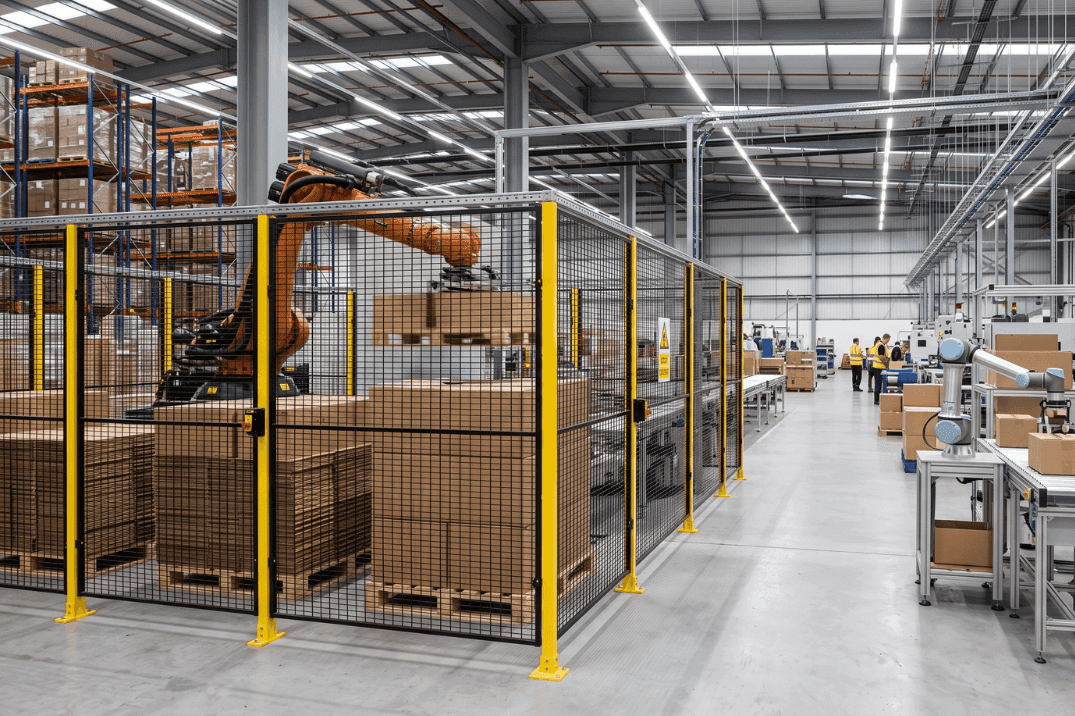
Guarded industrial robot and collaborative robot operating in a modern manufacturing facility.

Cobots vs Industrial Robots: Understanding the Right Fit

It is tempting to treat cobots and industrial robots as two points on the same scale, as if a collaborative robot were simply a smaller, safer version of its industrial counterpart. In practice they are distinct categories, built around opposite priorities, and choosing the wrong one is among the more expensive mistakes an automation project can make.

As automation technology matures and both robot types advance, knowing exactly where each fits has become a decisive factor in throughput, worker safety, and long-term flexibility across UK industrial operations.

In short: industrial robots are built for high-speed, high-payload work behind fixed guarding, while cobots are designed for human-robot collaboration in shared workspace at lower speeds and payloads. The right fit depends on your throughput, safety, and flexibility requirements.

What Are Industrial Robots?

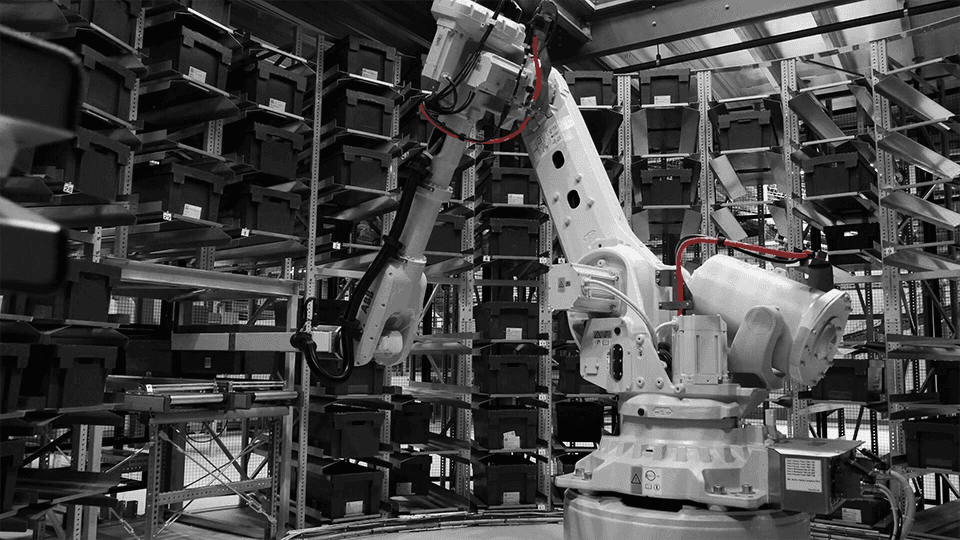
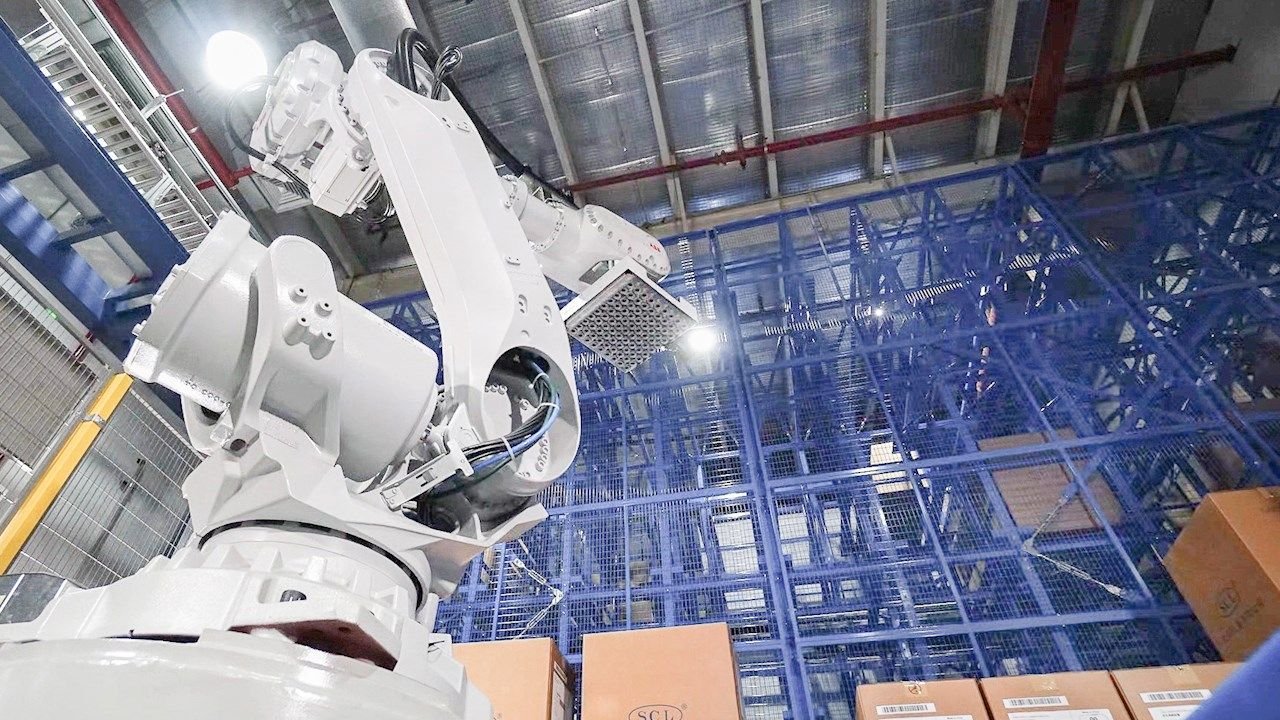
Industrial robots are purpose-built machines designed for high-speed, high-force tasks within fixed, guarded environments, and are engineered for demanding industrial use. Typically deployed in automotive, heavy manufacturing, and end-of-line operations, these systems operate without human intervention during production cycles. 


The most common configurations include articulated robots with six axes of motion, SCARA (Selective Compliance Articulated Robot Arm) variants for lateral pick-and-place work, and delta robots for rapid sortation and packaging automation. Operating within a fixed production system, industrial robots deliver exceptional throughput, repeatability, and payload capacity, making them the preferred choice for manufacturing assembly and any task where volume, speed, and precision are the dominant requirements.

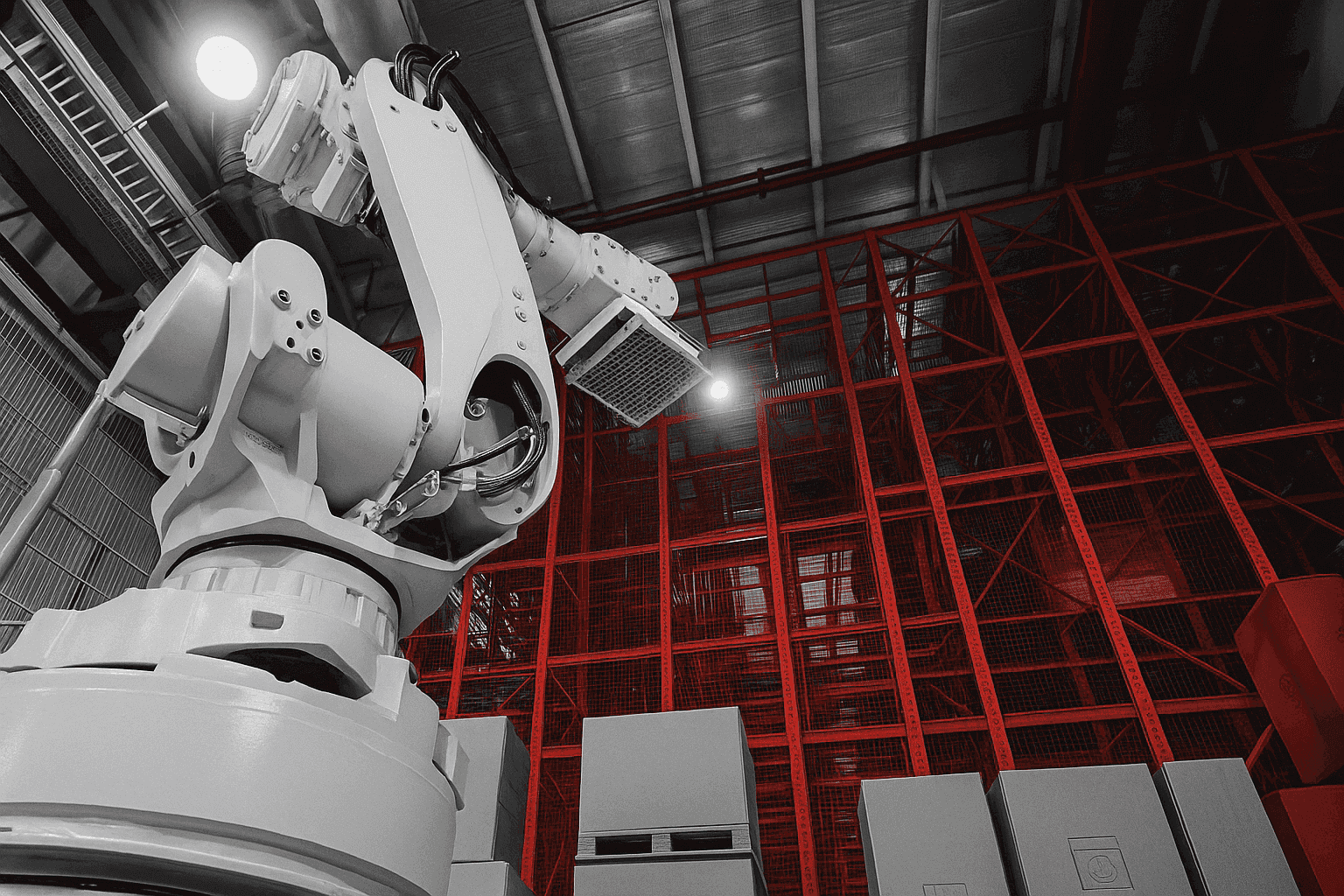
Industrial Robot Palletising System

What Are Cobots?

A cobot is a robotic system engineered to operate alongside human workers, sharing workspace without the need for fixed guarding in many applications. Rather than replacing the human entirely, cobots augment the operator, handling repetitive tasks or ergonomically demanding work while the worker focuses on judgement-intensive activities. 


Built from lightweight materials, cobots are typically lighter, easier to reprogram, and quicker to deploy than their industrial counterparts, with models from manufacturers such as Universal Robots widely used across UK facilities. Their force-limiting technology and safety sensors allow them to detect contact and halt movement, a core safety measure that underpins the human-robot collaboration at the heart of their design philosophy.

Key Differences Between Cobots and Industrial Robots

The distinction between cobots and industrial robots comes down to five core criteria. At a glance:

Criterion Industrial robot Cobot
Speed & payloadVery high speed; up to several hundred kgReduced speed; typically under 35 kg
GuardingFixed fencing or light curtainsOften no fixed barriers (assessment still required)
ProgrammingSpecialist software and skilled integratorsHand-guiding and intuitive interfaces
FootprintFixed infrastructure; static layoutsCompact; suits changing layouts
Cycle time & ROIFastest ROI for high-volume single tasksAccessible entry; short payback for mixed or low volume

Each of those criteria is worth understanding in a little more depth:


Speed and Payload

Industrial robots operate at significantly higher speeds and can handle payloads from a few kilograms up to several hundred, making them suitable for tasks such as welding, heavy palletising, and press-tending. Cobots are generally limited to payloads under 35 kg and operate at reduced speeds to satisfy safety standards.

Guarding Requirements

Traditional industrial robots require physical safety guarding, light curtains, or fencing to isolate the working envelope from personnel. Cobots can often operate without fixed barriers, though full safety assessments are always required.

Programming and Flexibility

Industrial robots are programmed via specialist software and require skilled integrators for reconfiguration. Cobots are increasingly programmed through hand-guiding or intuitive interfaces, reducing the technical barrier to redeployment across different tasks

Footprint and Integration

Cobots suit facilities where floor space is constrained or layouts change frequently. Industrial robots require more fixed infrastructure and are less suited to dynamic environments.

Cycle Time and ROI

For high-volume, single-task applications, industrial robots deliver a faster return on investment through superior throughput. Cobots offer a more accessible entry point and shorter payback periods for lower-volume or mixed-task deployments.

Applications Across Industry Sectors


Industrial robots are predominantly deployed in sectors where volume and consistency are paramount:


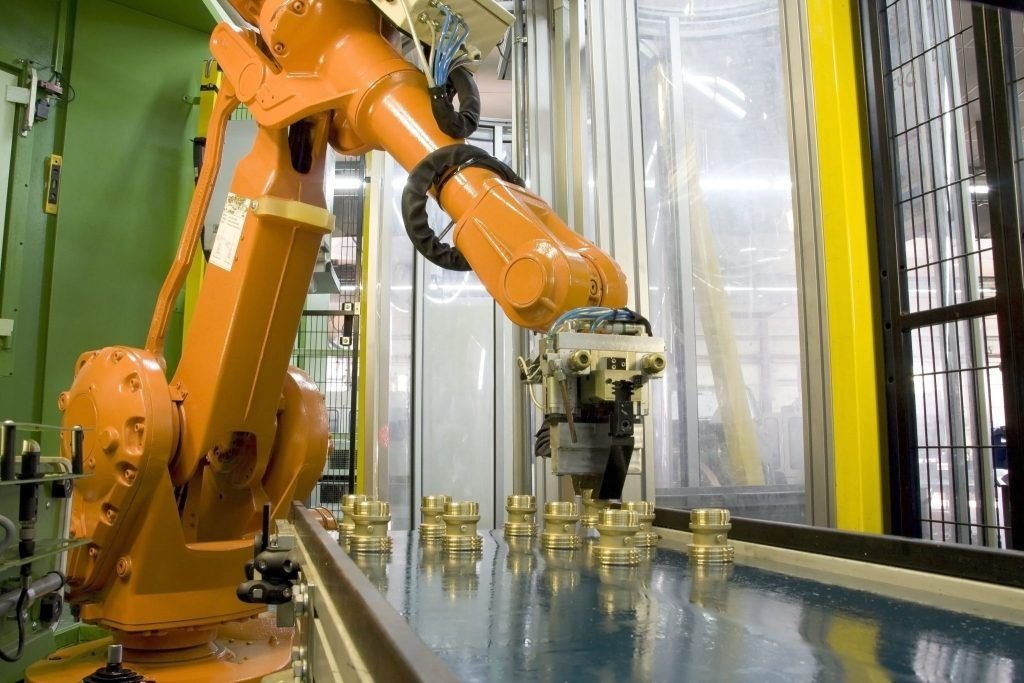
robotic automation setting

Automotive

Industrial robots handle welding, painting, and manufacturing assembly at speeds and precision levels unachievable by manual labour.

Food and Beverage

High-speed case packing, palletising, and packaging automation benefit from the throughput of traditional industrial robots in ambient and chilled environments.

E-commerce and Fulfilment

Sortation, goods-to-person picking assistance, and parcel handling across large distribution centres rely on the reliability of industrial robotic systems integrated with conveyor infrastructure.

Cobots are increasingly adopted where human-robot interaction adds value:

Electronics Assembly

Fine-pitch component placement and inspection tasks where operator oversight remains essential.

Pharmaceutical Packaging

Mixed-SKU handling with frequent changeovers, where cobot flexibility reduces downtime between product runs.

General Manufacturing

Machine tending, screw driving, and quality inspection tasks that protect product quality, where operators and robots alternate within shared cells.

Integration with Wider Automation Systems

Whether deploying cobots or industrial robots, integration with the broader automation ecosystem determines overall system performance and workflow efficiency. Both robot types can be interfaced with warehouse control systems (WCS), conveyor networks, vision technology, and autonomous mobile robots (AMRs) to create cohesive, end-to-end material flow solutions. Industrial robots are commonly embedded within fixed conveyor lines, while cobots are increasingly paired with mobile platforms, artificial intelligence, and machine learning systems to create flexible, roaming automation cells that adapt to shifting operational demands.

Choosing the Right Solution for Long-Term Competitiveness

As the capabilities of both cobot and industrial robot technology continue to advance, the boundary between the two categories is narrowing. Speed limits on cobots are increasing, and industrial robots are becoming easier to programme and integrate, aided by advances in artificial intelligence. 


For businesses evaluating their automation strategy, the decision hinges not on which technology is superior, but on which is better matched to the specific throughput, safety, and flexibility requirements of the application.

Automation engineers assessing industrial robot and cobot systems in a modern manufacturing facility.

Match the right robot to your operation

We design solutions that deliver scalable performance aligned with your throughput, safety, and flexibility requirements.

Speak to a specialist

Frequently Asked Questions