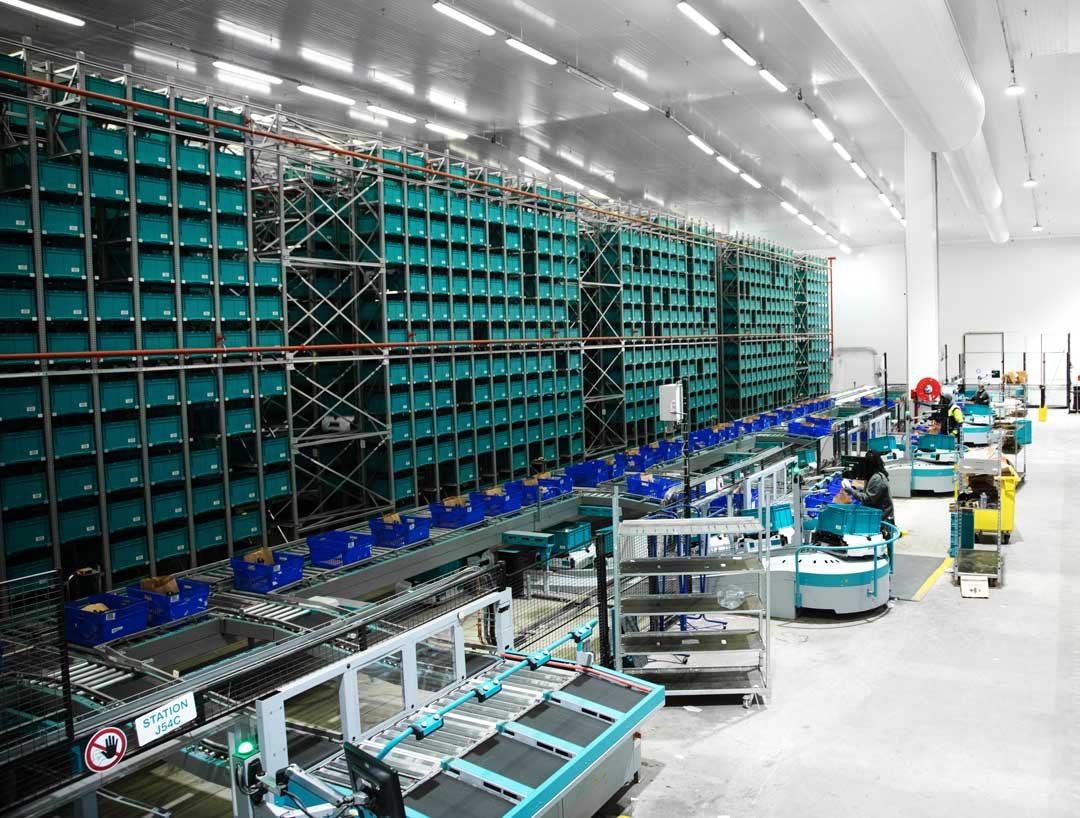
Industrial end-of-line automation system featuring robotic palletisers integrated with motorised roller conveyors for automated packaging and dispatch operations.

End-of-Line Automation Solutions: Integrating Robotics for Faster and Smarter Dispatch

The final stages of production represent a critical juncture where efficiency gains can transform overall operational performance. End-of-line automation solutions have emerged as essential tools for manufacturers seeking to streamline packaging, palletising, and dispatch processes whilst reducing costs and minimising errors. By integrating robotics into these workflows, businesses are achieving unprecedented levels of speed, accuracy, and adaptability.

As production lines expand and diversify, manufacturers continue to strengthen the connection between upstream assembly and end-of-line automation systems. Integrated solutions ensure goods flow smoothly into packaging, palletising, and dispatch functions, supporting efficient carton handling and reducing interruptions that can affect downstream performance. This alignment is essential for operators seeking consistency across multiple production lines and a more streamlined automation journey.

Understanding End-of-Line Automation

End-of-line automation encompasses the technologies and systems deployed after products leave the manufacturing line. This includes packaging, labelling, quality inspection, case packing, palletising, and final dispatch preparation. Traditionally labour-intensive and prone to bottlenecks, these processes now benefit from advanced automation that coordinates multiple tasks seamlessly.


Modern end-of-line solutions combine robotics, conveyor systems, vision technology, and software integration to create cohesive workflows. The result is a production environment where goods move efficiently from completion through to shipment, with minimal human intervention required for repetitive or physically demanding tasks.

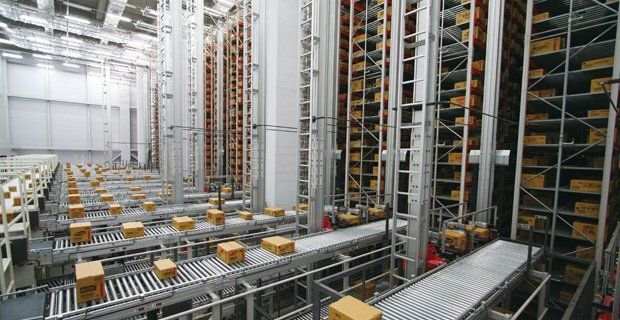
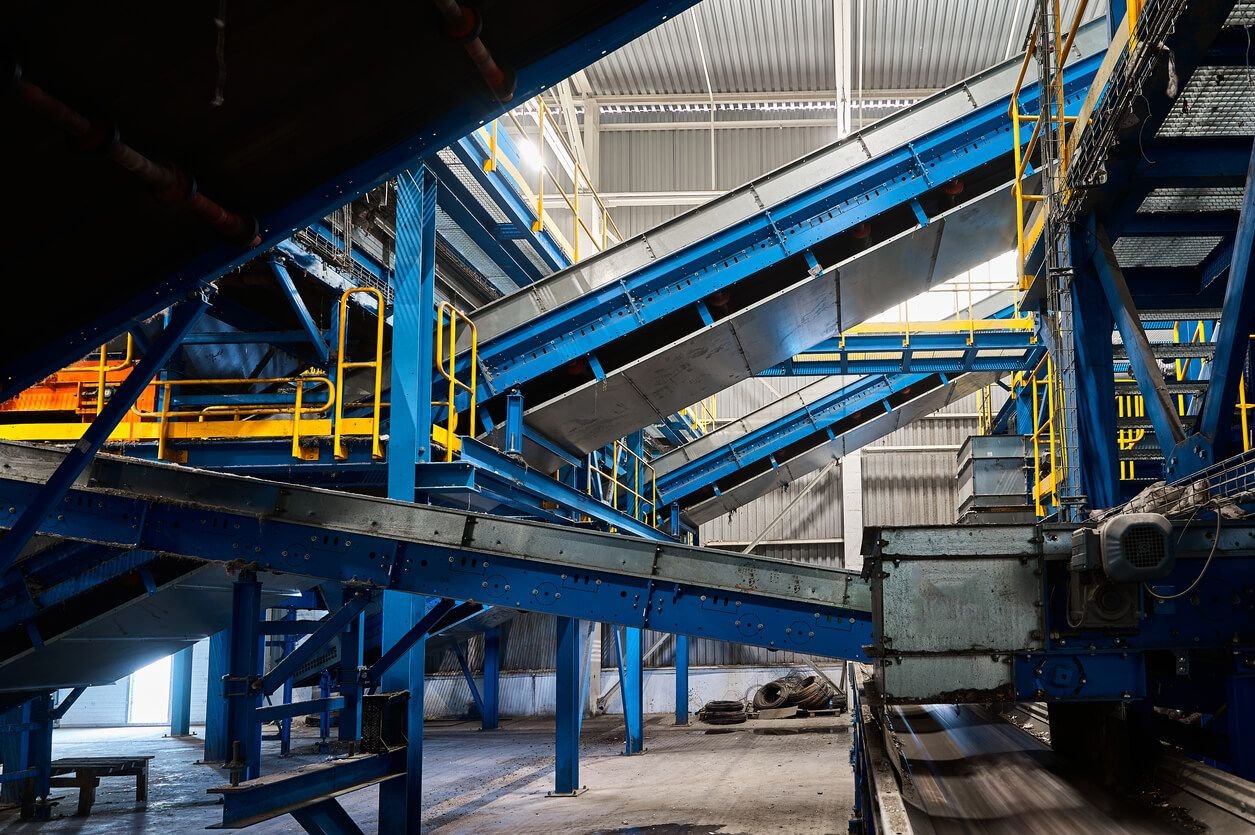
Large-scale automated warehouse with integrated conveyor systems supporting end-of-line packaging and dispatch operations.

To support this shift, many facilities now integrate turnkey solutions and semi-automatic equipment into their operations. These additions simplify project management, improve packing consistency, and support the introduction of new production lines without the need for large-scale redesign.

Key Drivers for Enhancing End-of-Line Performance


Reducing bottlenecks between packaging and palletising stages

Increasing accuracy during labelling, sealing, and carton formation

Strengthening quality control with automated inspection

Improving flow between multiple production lines

These drivers help organisations maintain operational speed whilst adapting to changing product demands.

The Role of Robotics in End-of-Line Operations

Robotic systems have become the cornerstone of contemporary end-of-line automation. Articulated robots, collaborative robots (cobots), and specialised palletising robots each offer distinct advantages depending on application requirements. These systems excel at repetitive tasks whilst maintaining consistent quality standards that human workers struggle to match over extended periods.


Collaborative robots have proven particularly valuable in end-of-line environments. Their ability to work safely alongside human operators without extensive guarding allows manufacturers to automate specific tasks whilst retaining workforce flexibility. This hybrid approach enables businesses to scale operations according to demand fluctuations without compromising safety or productivity.

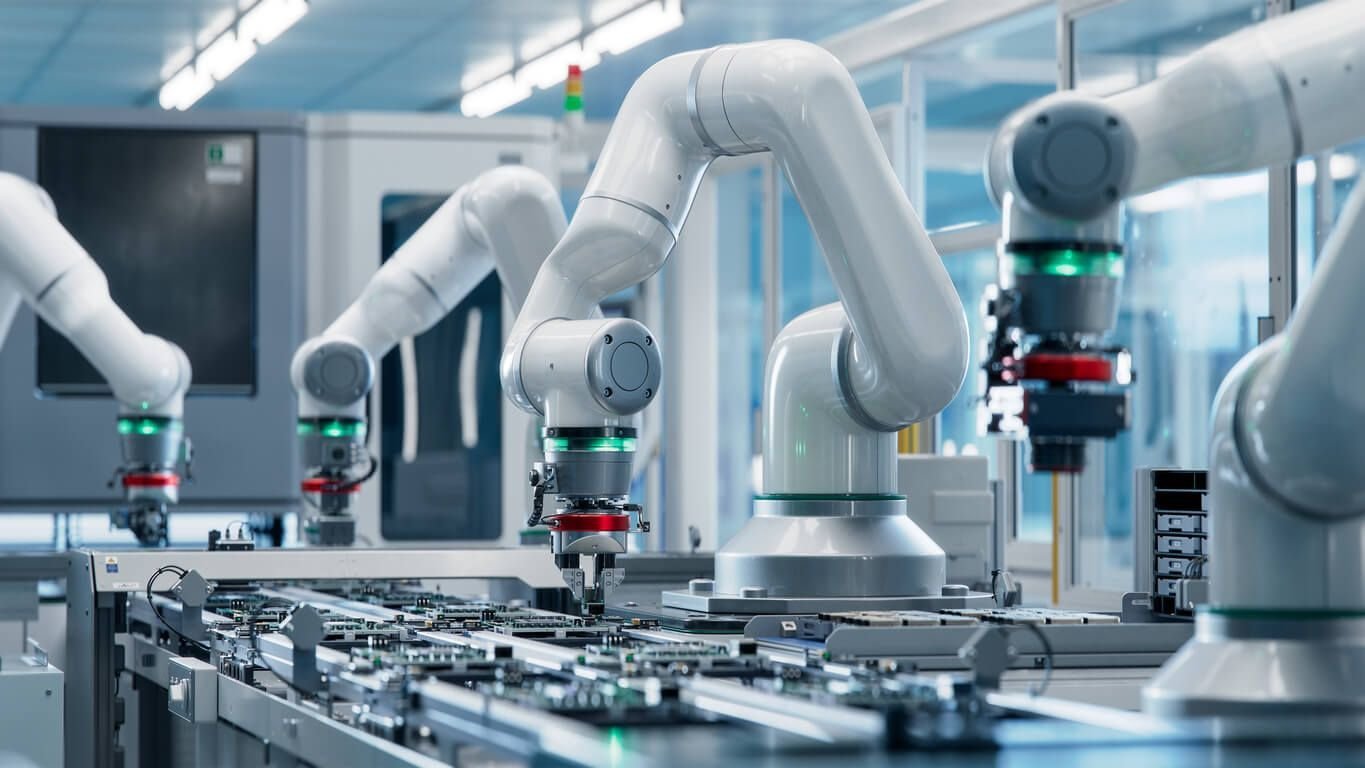
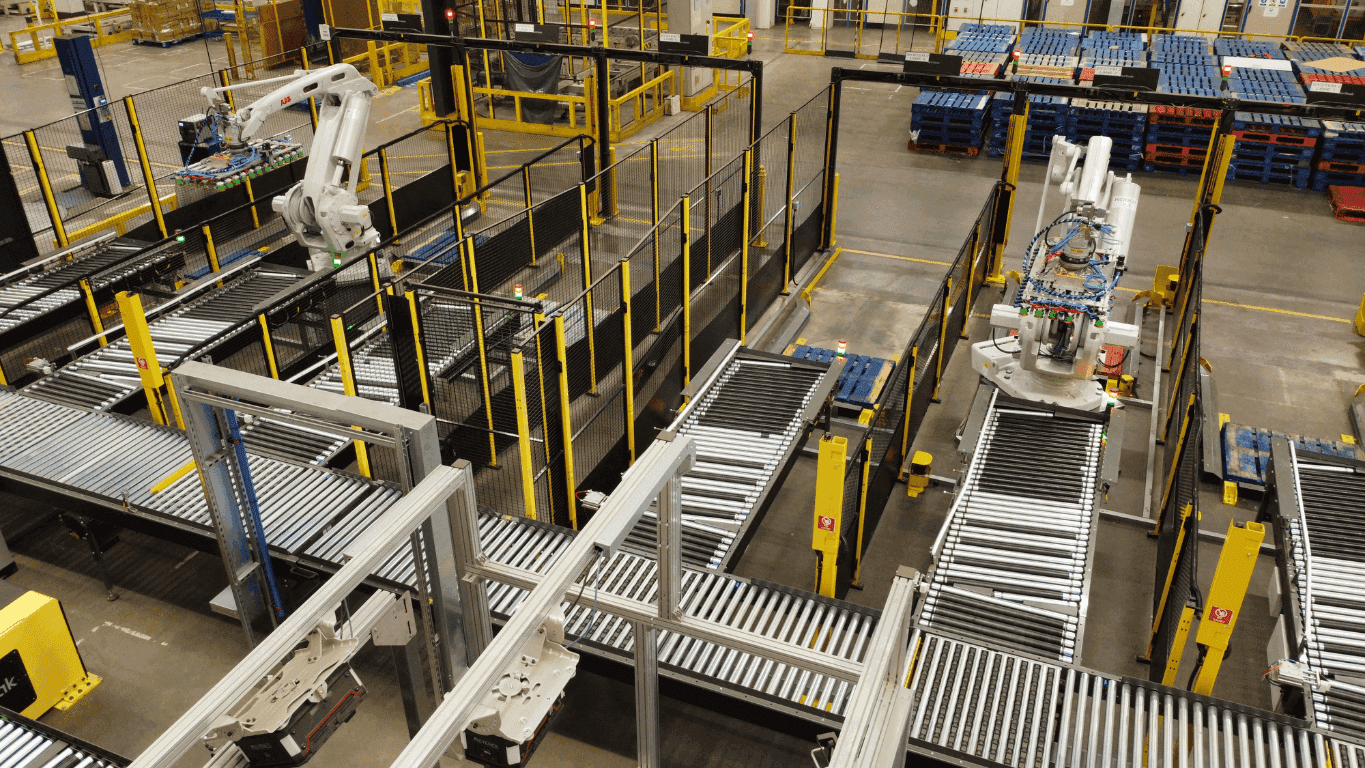
Industrial robotic palletising system integrated with motorised roller conveyors at the end of a production line.

Palletising robots demonstrate remarkable efficiency in stacking and arranging products for shipment. Advanced models can handle multiple product types, adapt to different box sizes, and create stable pallet configurations that optimise transport space. Automated palletising also reduces the risk of injuries linked to repetitive manual lifting.

Common Robotic Enhancements Across End-of-Line Applications


Robotic palletisers supporting high-volume pallet building and load stability

Flexible case packing systems that adapt to multiple product formats

Automated pick-and-place functions for faster handling of smaller items

Integrated robotic modules that reduce manual involvement in packaging

These robotic functions provide measurable gains in speed, accuracy, and labour allocation.

Enhancing Speed Through Intelligent Integration

Speed improvements extend beyond the robots themselves. The integration of end-of-line systems with warehouse management software, enterprise resource planning platforms, and real-time data analytics creates intelligent dispatch operations that respond dynamically to changing priorities. Vision systems play a crucial role in maintaining pace without sacrificing quality. High-resolution cameras and sensors verify product orientation, detect defects, confirm label placement, and ensure packaging integrity at speeds impossible for manual inspection. This technology reduces downstream errors that could result in returns, customer dissatisfaction, or compliance failures.


Automated guided vehicles and conveyor networks further accelerate dispatch by eliminating manual material handling between stations. Products move seamlessly from final assembly through quality checks, packaging, and staging areas without delays caused by forklift availability or operator scheduling.


Smart Decision-Making Through Data Collection


Modern end-of-line automation solutions generate valuable operational data that informs smarter business decisions. Sensors throughout the system track cycle times, identify bottlenecks, monitor equipment performance, and flag quality issues in real time. This information enables continuous improvement initiatives based on empirical evidence rather than assumption.


Predictive maintenance capabilities represent another intelligence layer. By monitoring equipment conditions and identifying wear patterns, automated systems can schedule maintenance during planned downtime rather than responding to unexpected failures. This approach minimises disruption and extends equipment lifespan whilst maintaining consistent output levels.


Flexibility for Evolving Product Lines


Contemporary markets demand rapid adaptation to changing consumer preferences and product variations. End-of-line automation solutions incorporating robotics offer the flexibility required to accommodate diverse packaging formats, seasonal variations, and new product introductions without extensive reconfiguration.


Programmable robots can switch between tasks through software updates rather than mechanical modifications. This adaptability proves essential for manufacturers serving multiple market segments or operating in sectors characterised by frequent product updates. The ability to repurpose equipment reduces capital expenditure whilst maintaining operational agility.


Workforce Implications and Safety Benefits


Implementing end-of-line automation reshapes workforce requirements rather than simply reducing headcount. Operators transition from physically demanding repetitive tasks to supervisory roles, system programming, and maintenance activities. This shift typically improves job satisfaction whilst developing more valuable skill sets within the organisation.


Safety improvements constitute a significant benefit. Automated systems eliminate many common warehouse injuries related to heavy lifting, repetitive strain, and collision accidents. Collaborative robots incorporate sensors that detect human presence and adjust operations accordingly, creating inherently safer working environments.

Realising Return on Investment

The financial case for end-of-line automation solutions strengthens as technology costs decline and labour expenses increase. Initial capital investment is offset by reduced operating costs, improved throughput, decreased error rates, and enhanced workplace safety. Many manufacturers report payback periods of 18 to 36 months, with ongoing savings extending well beyond initial cost recovery.


End-of-line automation represents a strategic investment in operational excellence. By integrating robotics and intelligent systems into dispatch processes, manufacturers create competitive advantages through superior speed, accuracy, and adaptability that manual operations cannot match.

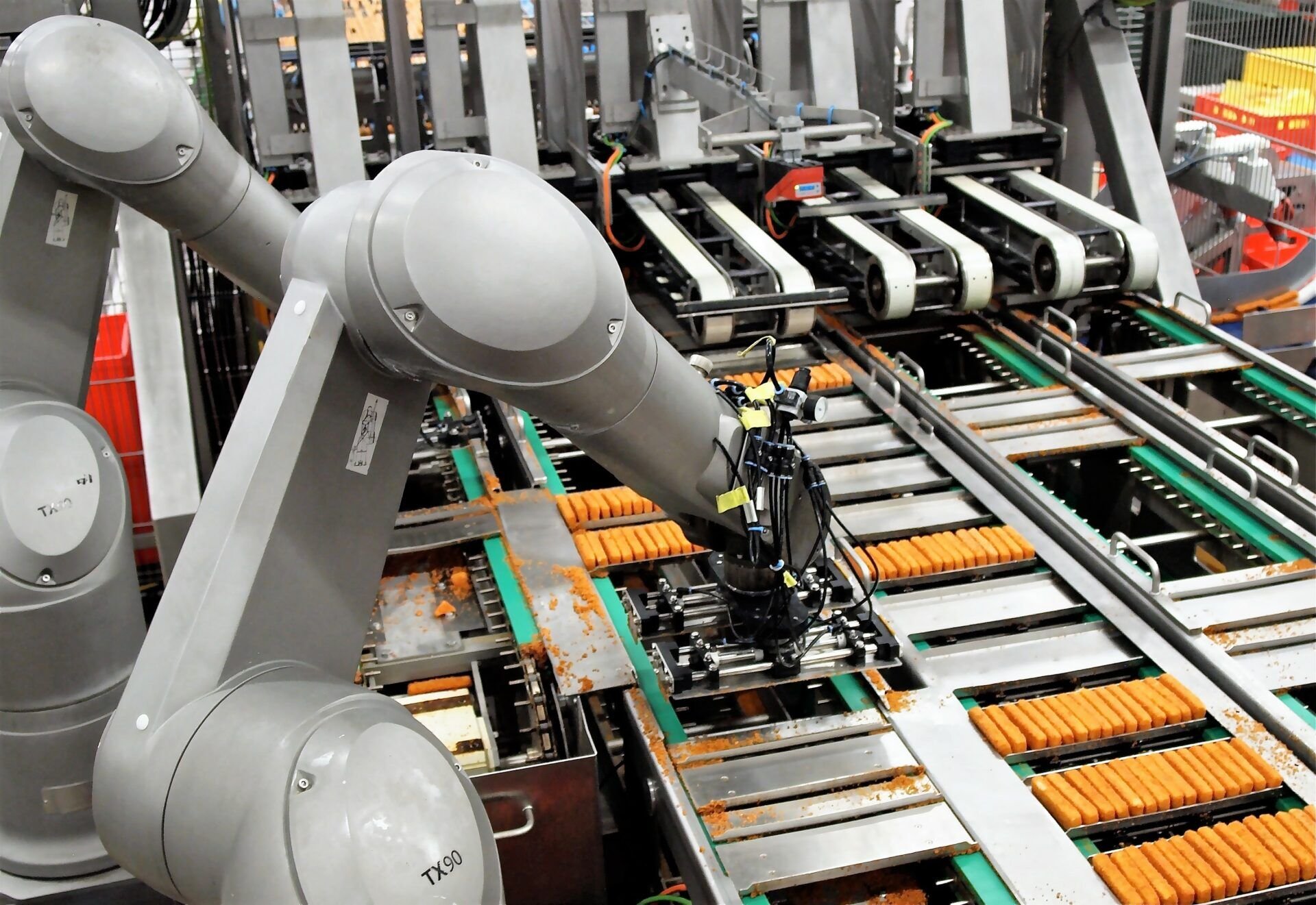
Food-grade robotic automation system handling products on a conveyor line in a hygienic manufacturing environment.