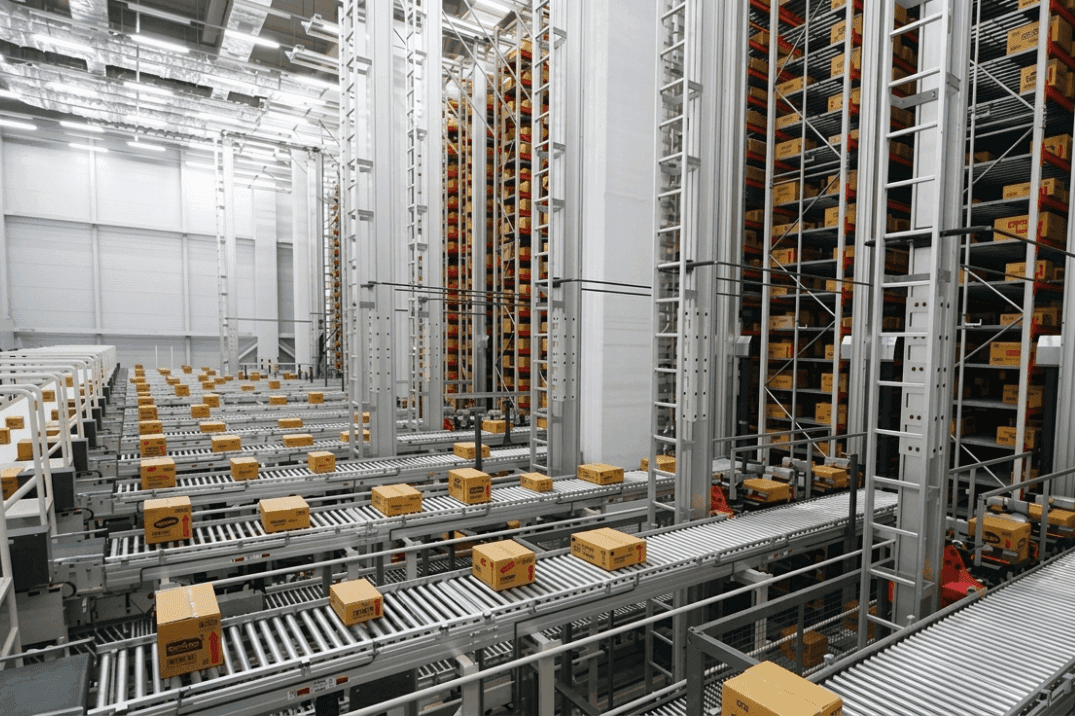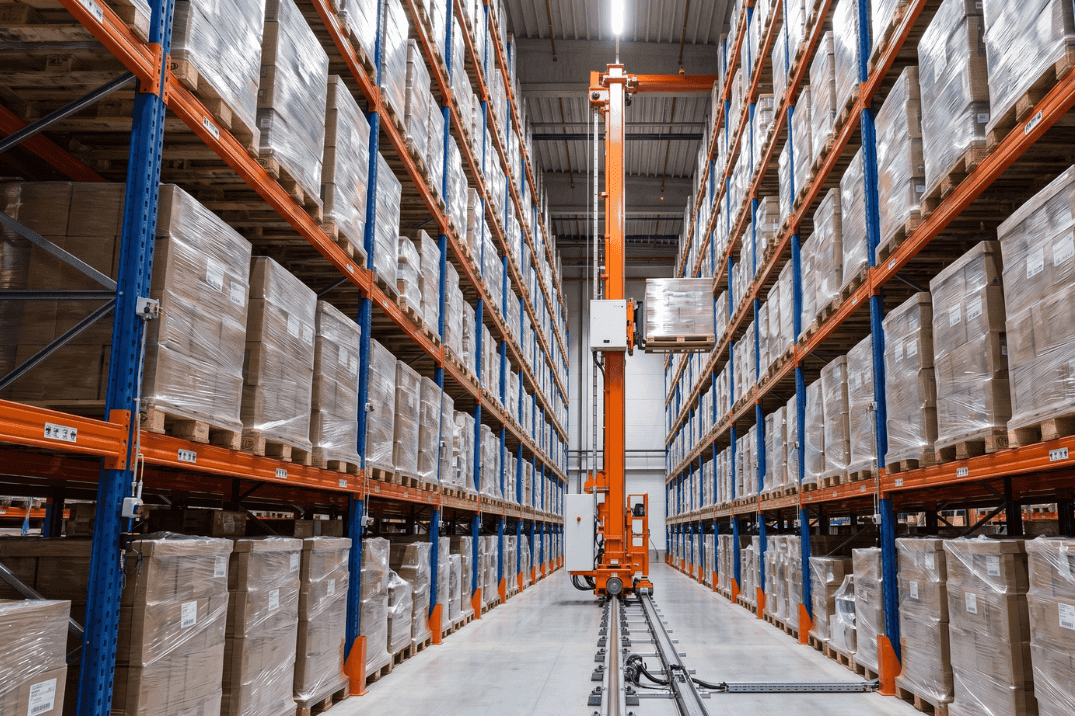
Stacker crane operating within a high-bay automated storage and retrieval system, moving palletised goods along racking aisles in a warehouse environment

How Much Does an Automated Storage and Retrieval System (ASRS) Cost? A UK Guide

Across the UK, warehousing and logistics operations face mounting pressure to increase throughput while managing rising labour costs and limited floor space. AS/RS are increasingly adopted as part of wider warehouse automation, offering high-density storage and fast, reliable order fulfilment. For many teams the first question is simple: what does ASRS cost, and what drives that figure?

Key Takeaways
  • ASRS cost has no single price: It is driven by system type, storage density, throughput, building integration and software.
  • ASRS systems range widely: From mini-load ASRS and Shuttle-Based ASRS to Unit-Load (Pallet) ASRS, plus Vertical Lift Modules and carousels, each at a different price point.
  • Judge it on total cost of ownership: Assess ASRS cost on total cost of ownership and return on investment, not capital outlay alone.
  • Strongest where labour is high: The business case is strongest where warehouse automation replaces high labour costs and improves picking speed, storage space and inventory management.
  • ASRS rarely stands alone: Conveying systems, automated guided vehicles and robotics form one connected material flow, coordinated by warehouse management software.

What Is an ASRS?

An ASRS is a computer-controlled system that automatically places and retrieves loads from precisely defined storage locations. It combines racking, shuttles or cranes, conveyors, and a warehouse management system (WMS) to move goods without manual intervention. 

ASRS technology spans a wide range of formats, from unit-load cranes handling pallets to micro-load shuttle systems handling individual totes and cartons.

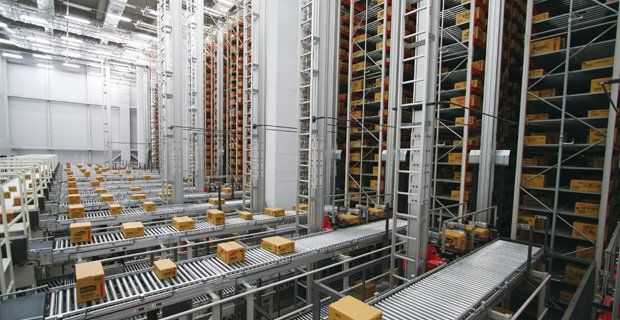
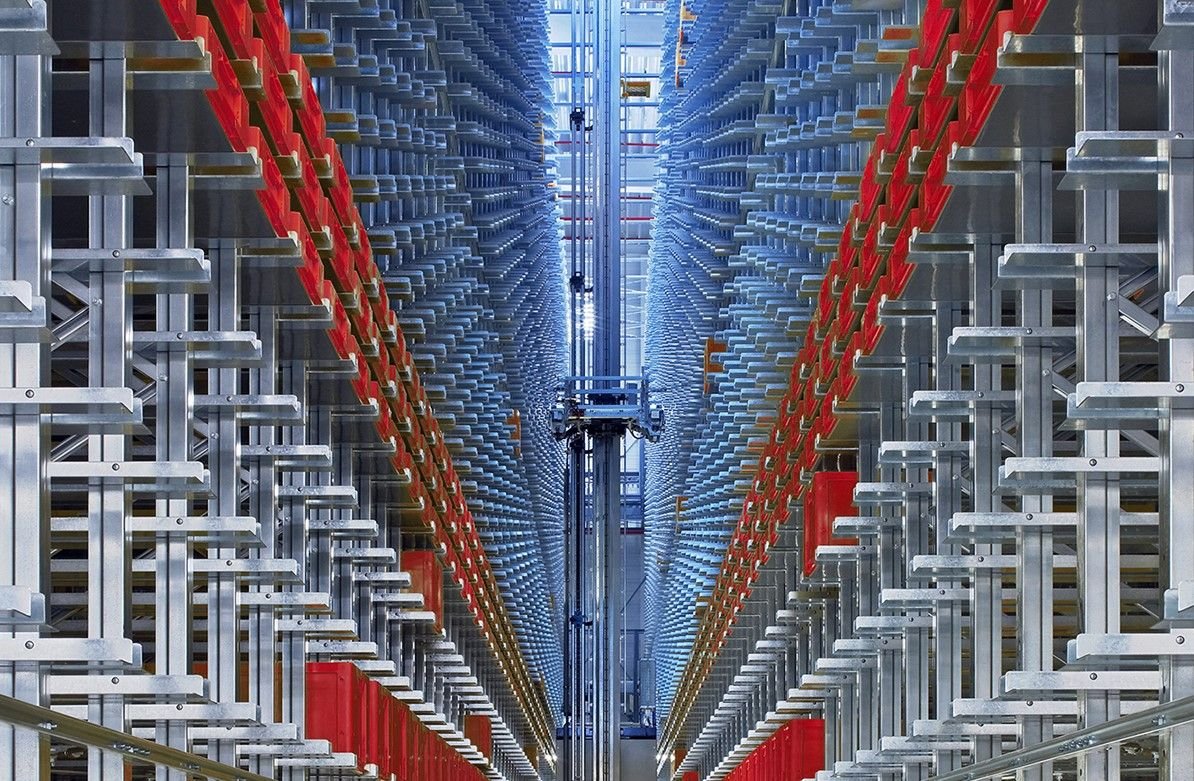
Automated storage and retrieval system using high-density racking and automated machinery to store and retrieve totes.

Types of ASRS


mini-load-asrs-system

Unit-Load ASRS (Pallet ASRS)

Unit-Load ASRS (Pallet ASRS): stacker cranes handling full pallets in high-bay storage.

Mini-load ASRS

Mini-load ASRS: an ASRS mini-load system handling totes and cartons at speed.

Shuttle-Based ASRS

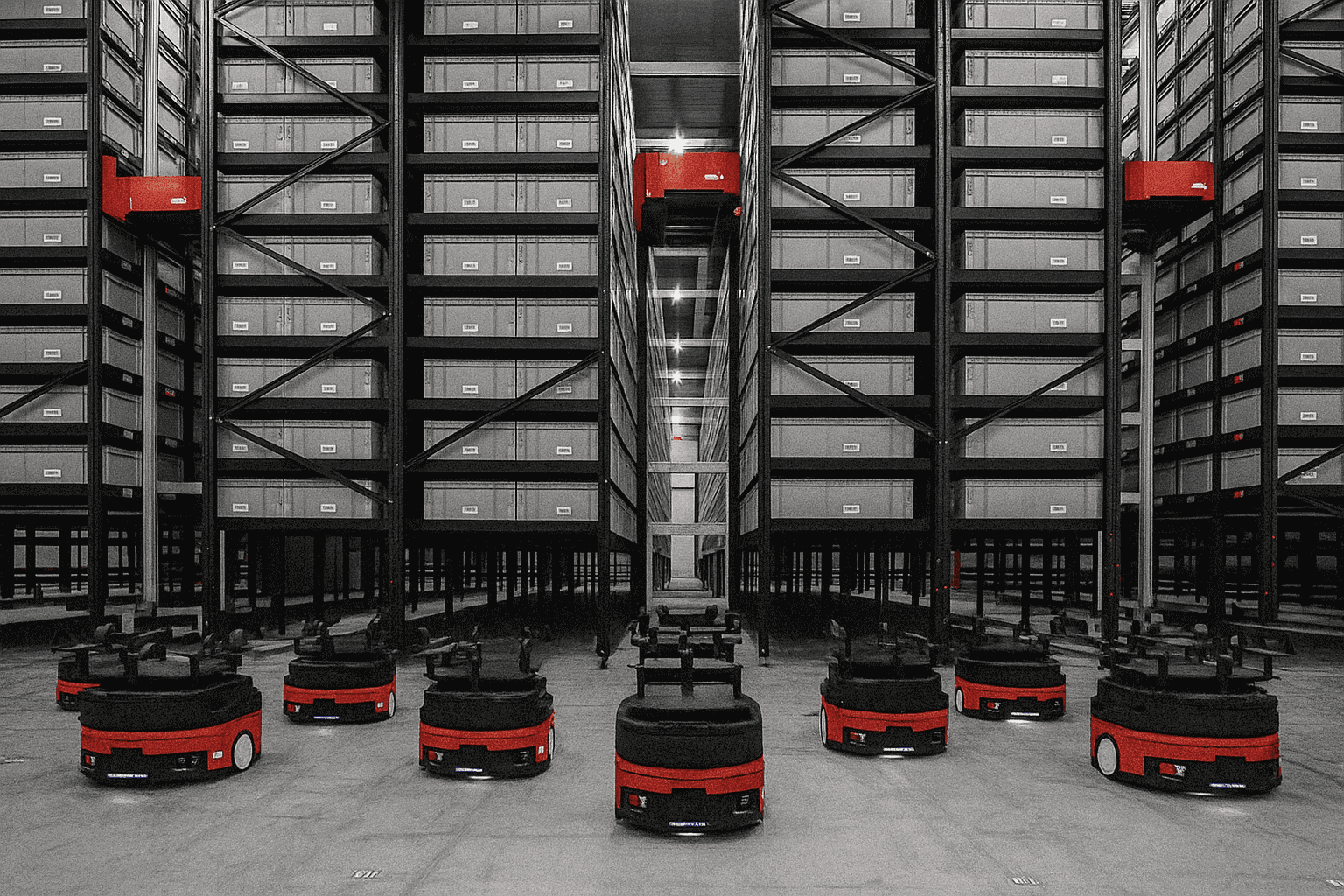
Shuttle-Based ASRS: robotic shuttles and storage shuttles (shuttle vehicles) moving loads within the racking.

Vertical Lift Modules and carousels

Vertical Lift Systems, a vertical lift module, vertical carousels and horizontal carousels bring goods to the operator.

Robotic cube storage

Robotic cube storage: dense grid-based storage worked by autonomous mobile robots.

By the numbers
50-70%
labour as a share of warehouse operating cost
<2 yrs
payback for 80%+ of automated operators
80-90%
ASRS space utilisation, vs 40-60% for racking
20-40%
typical ROI reported on warehouse automation

What Factors Influence ASRS Cost?


These variables mean that ASRS cost for a small mini-load installation can differ substantially from a large-scale, multi-aisle crane system serving a national distribution centre.
System Type

Unit-load crane systems typically carry a higher capital cost than shuttle-based or mini-load ASRS systems, reflecting the heavier structural and mechanical demands of pallet handling.

Storage Density and Height

Taller, higher-density racking increases both structural steelwork and civil engineering costs, though it reduces the cost per stored pallet or tote over the building footprint.

Throughput Requirements

Systems specified for high pick rates and picking speed require additional shuttles, lifts, or cranes, which increases both hardware and control system costs.

Building Integration

Retrofitting an existing warehouse often costs more than a greenfield build, since existing structures, floor loading and fire compartmentation must be assessed and adapted.

Software and Controls

WMS or warehouse control system (WCS) integration, along with the inventory management software and licensing this requires, adds to the overall project cost but is essential for realising throughput potential.

Typical Cost Ranges

While every ASRS cost is bespoke to the operation, industry commentary from bodies such as the British Automation and Robot Association (BARA) points to a broad range depending on scale and technology. Smaller shuttle or mini-load systems, suited to SMEs or single-site operations, generally represent the lower end of the investment range. Larger, multi-aisle crane-based ASRS systems for high-volume 3PL or retail distribution sit at the higher end, reflecting greater storage capacity and mechanical complexity.

It is worth noting that ASRS cost should not be assessed in isolation. The total cost of ownership, including maintenance, energy consumption and software licensing over the system lifetime, often matters more to the business case and return on investment than the initial capital outlay alone.

Mini-load automated storage and retrieval system handling totes within dense racking, illustrating a compact ASRS solution suited to retrofit warehouse installations

How ASRS Cost Compares to Manual Operations

When evaluating ASRS cost, it is important to weigh it against the ongoing cost of manual operations. Labour shortages and rising labour costs continue to place pressure on manual picking and storage models. An ASRS reduces reliance on manual labour for repetitive tasks, improves space utilisation and storage space through high-density storage, and reduces errors associated with manual picking while strengthening inventory control.

These factors mean that although the upfront ASRS cost may appear significant, the payback period is often shorter than expected, particularly in operations with high SKU counts, seasonal peaks, or 24/7 throughput demands.

Integration With Other Technologies

ASRS cost calculations increasingly need to account for integration with other automation technologies. Conveyors and conveying systems, sortation systems, automated guided vehicles, and robotic palletising cells are often combined with ASRS to create a fully connected material flow. From order picking through to despatch, integrating these technologies can improve overall system efficiency, though it also adds to the initial project scope and cost.

A well-specified WCS platform ties these elements together, coordinating conveying systems, ASRS systems, autonomous mobile robots and robotics as a single operational system rather than disconnected pieces of equipment.

Justifying the Investment


These benefits, considered alongside the initial ASRS cost, typically strengthen the case for automation over a multi-year horizon.
Labour Savings

Reduced dependency on manual pickers, particularly valuable in regions facing labour shortages.

Space Efficiency

Higher storage density per square metre, which can reduce or defer the need for additional warehouse space.

Order Accuracy

Reduced picking errors, which lowers returns processing, improves order fulfilment and improves customer satisfaction.

Scalability

The ability to expand storage capacity or throughput incrementally as demand grows, supported by inventory management software.

Building a Stronger Case for ASRS Investment

As labour costs continue to rise and e-commerce volumes place further strain on UK warehousing capacity, ASRS cost is likely to be assessed less as a standalone capital figure and more as part of a long-term warehouse automation strategy. 

For operations weighing up automation options, understanding the full picture behind ASRS cost, from capital outlay to total cost of ownership, supports a more informed and future-proof investment decision.

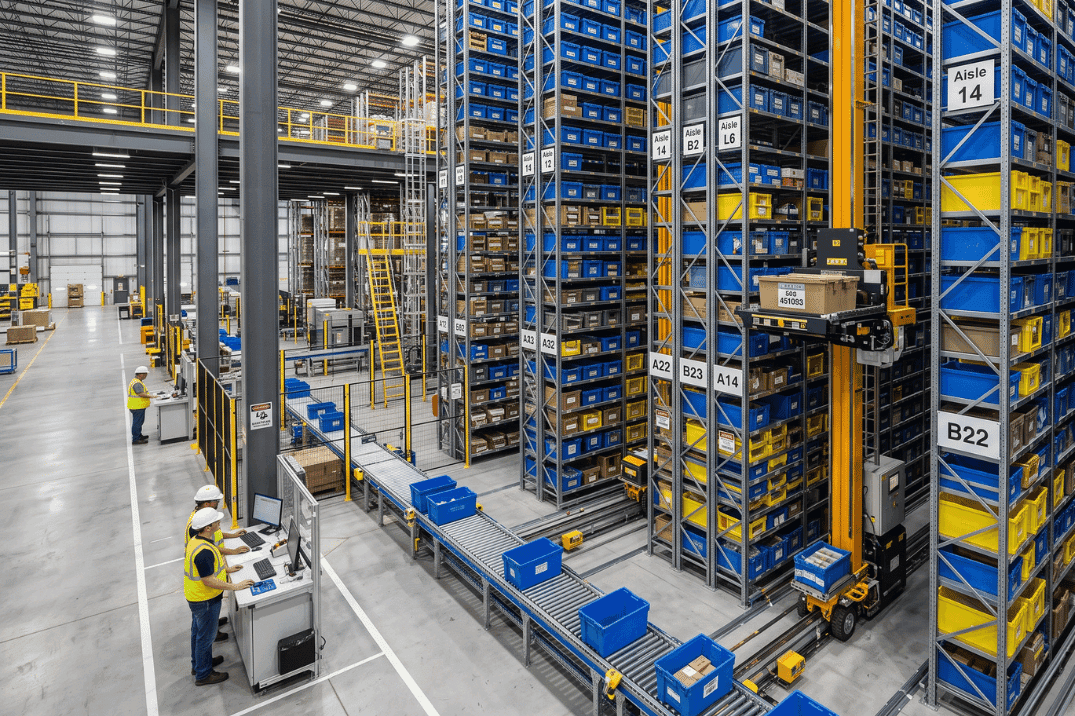
Automated storage and retrieval system with high-density racking, conveyor lines, and operators picking items at goods-to-person workstations in a warehouse environment

Planning an ASRS investment?

We scope the system, the true cost and the payback around your space, SKU profile and throughput.

System scope True cost Payback modelled
Speak to a specialist →

Frequently Asked Questions