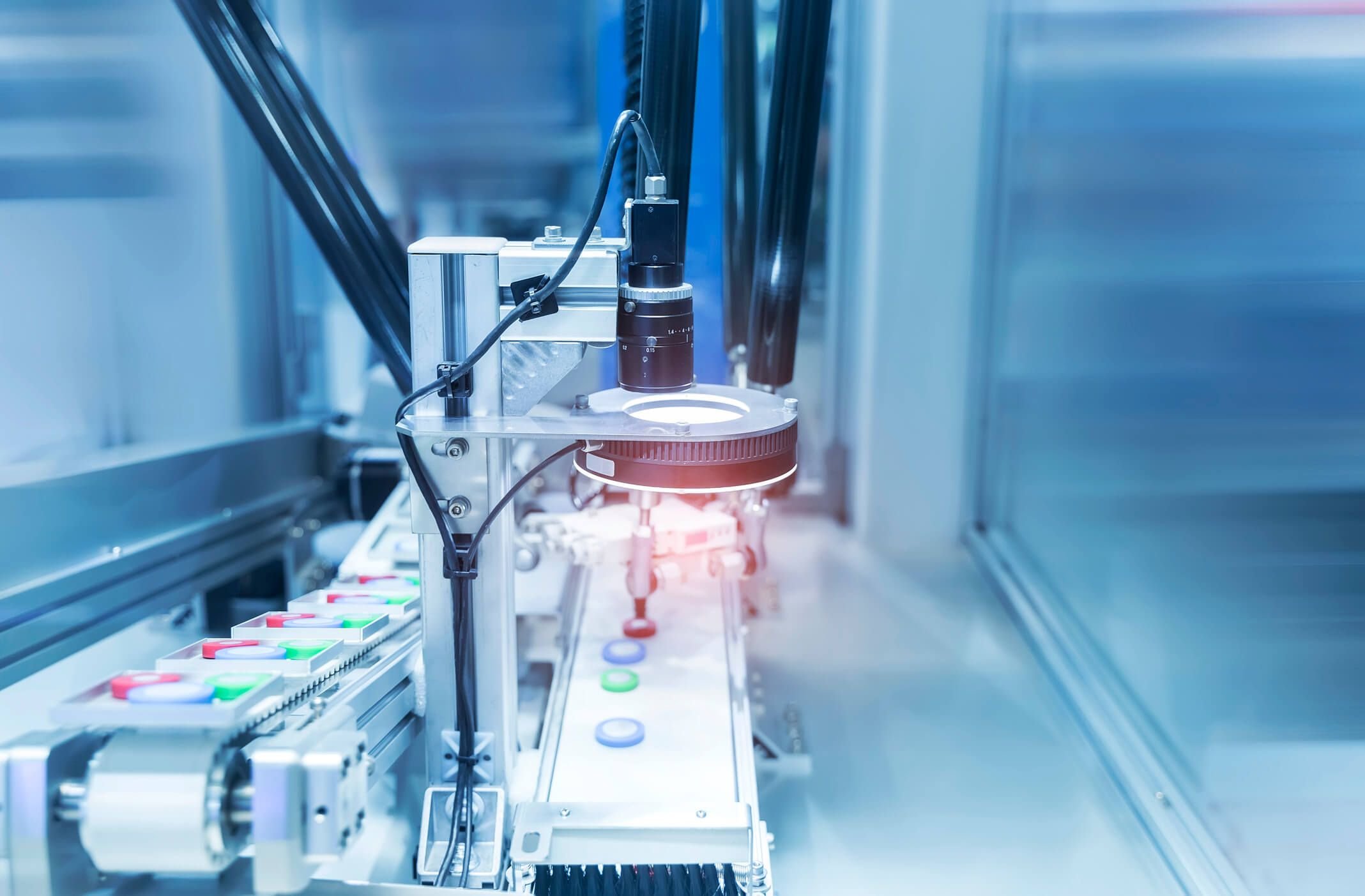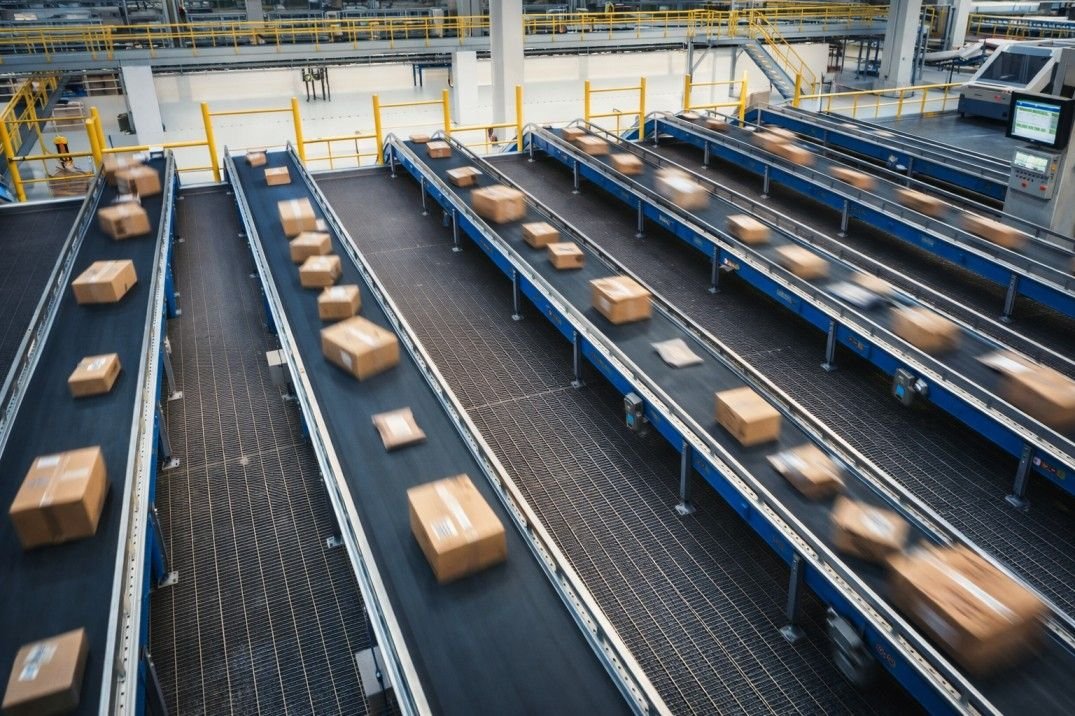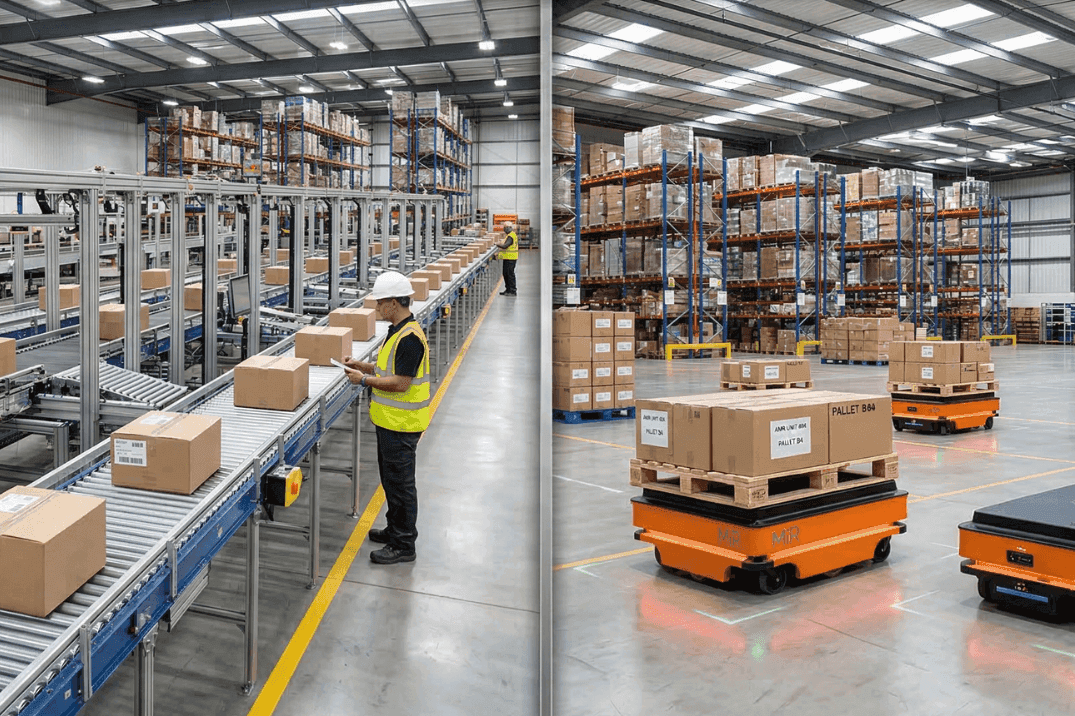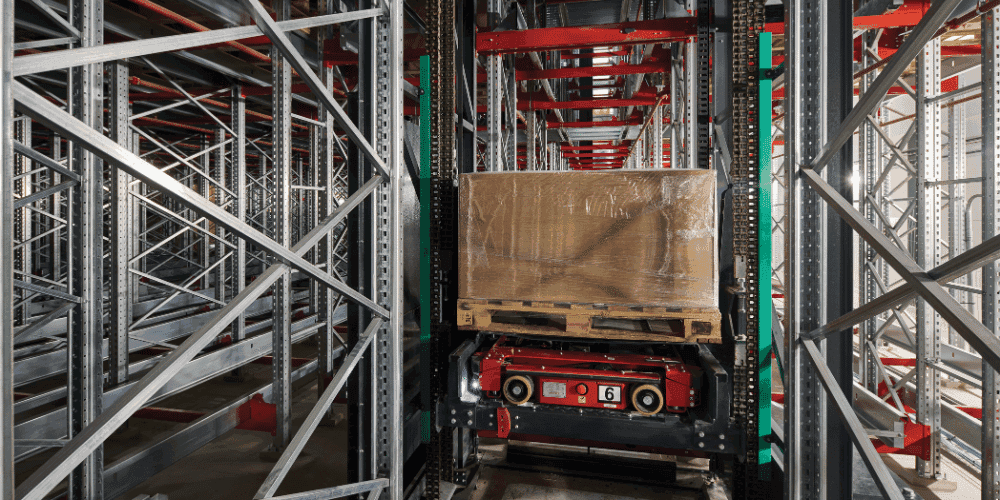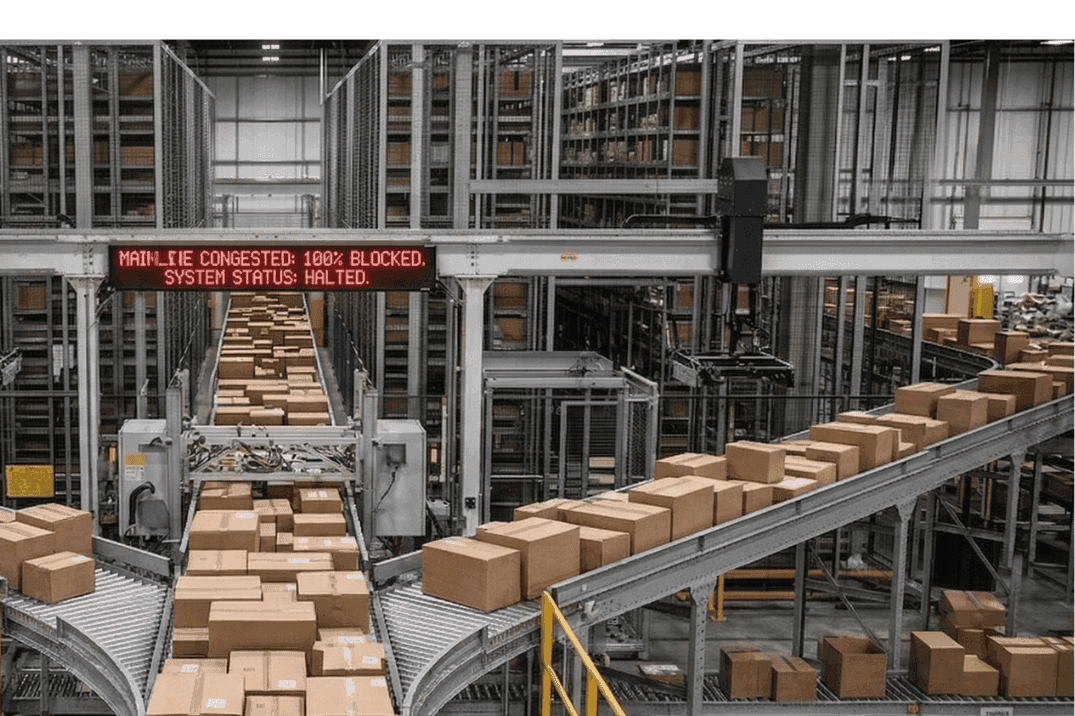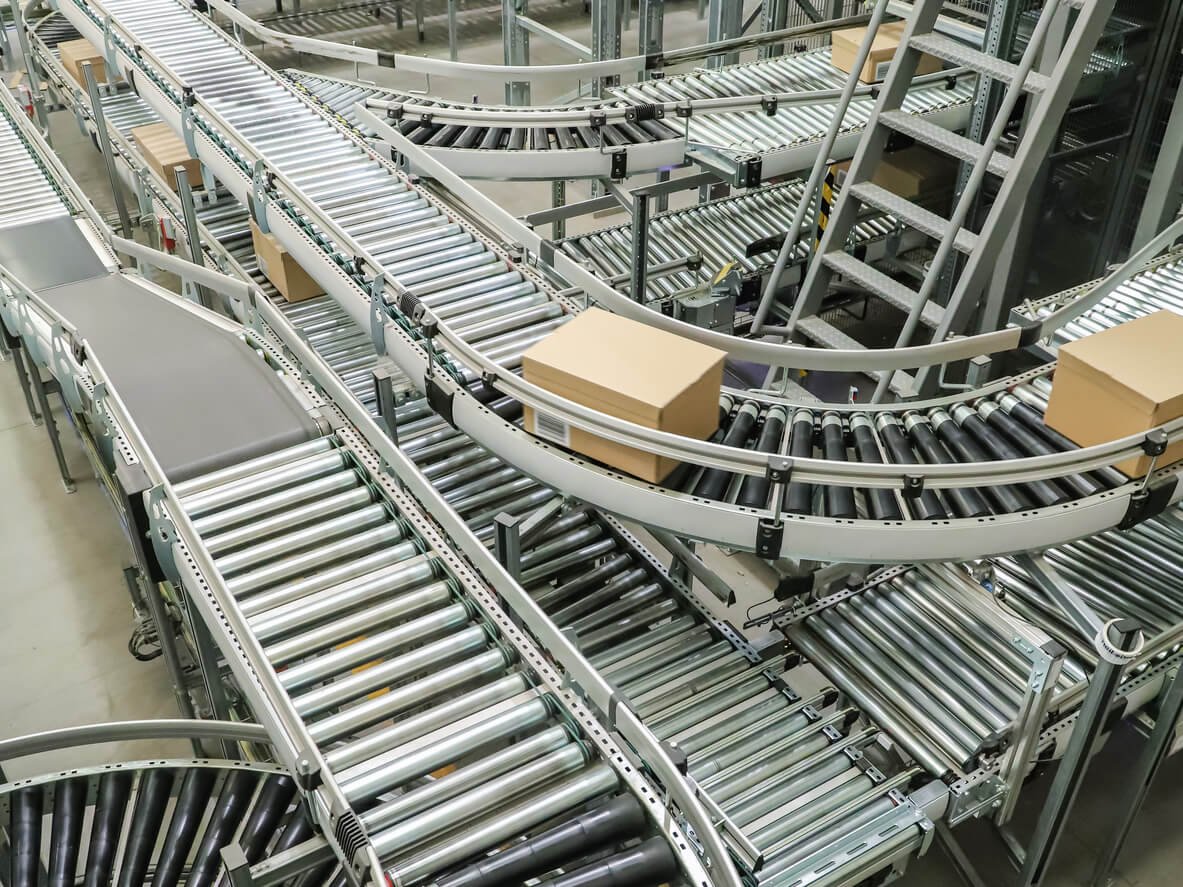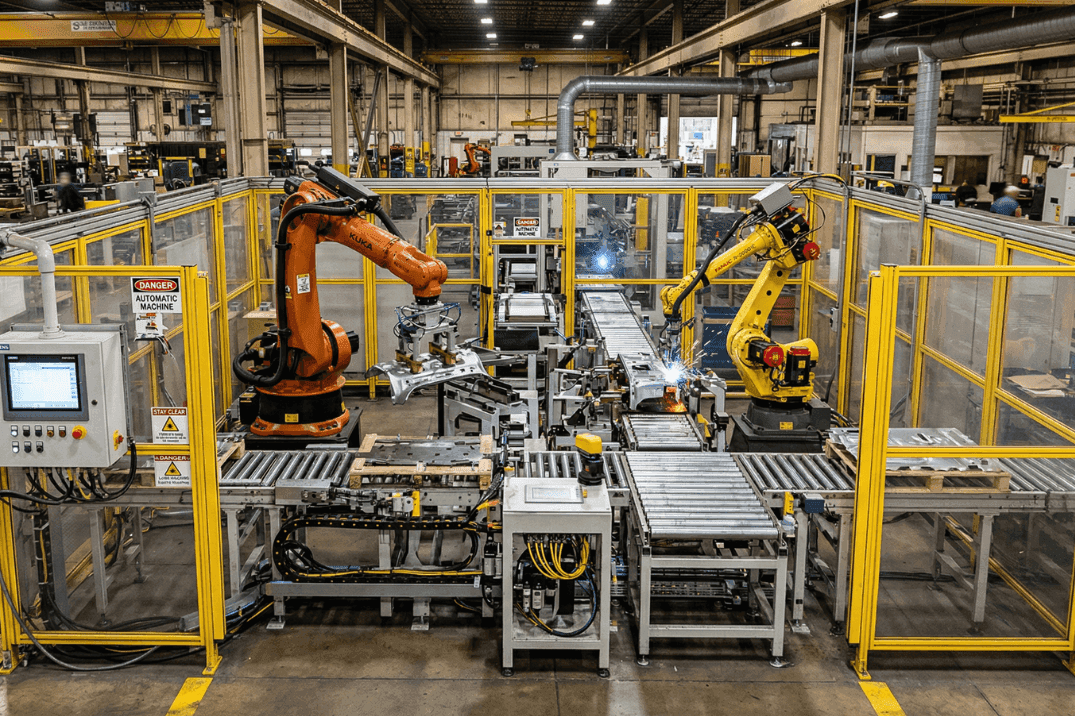
Industrial robotic cell with multiple robot arms, conveyor systems, and safety fencing in a manufacturing environment, illustrating complex automation systems and space requirements

The Hidden Constraints That Limit Robotic Cells

Robotic cells have transformed modern manufacturing, offering unprecedented levels of automation, precision, and throughput. As part of wider robotics systems integration and industrial robotics and manufacturing automation strategies, they can deliver substantial gains when properly specified.

Yet beneath their impressive capabilities lie numerous constraints that can significantly impact their effectiveness. Understanding these limitations is essential for manufacturers seeking to maximise return on investment and avoid costly implementation mistakes.

Physical Space Requirements Create Unexpected Bottlenecks


The footprint of a robotic cell extends far beyond the robot itself. Safety fencing, safety fences, material staging areas, and access zones for maintenance all demand considerable floor space. Many facilities discover too late that their available square footage cannot accommodate both the robotic cell and the necessary peripheral equipment. This is just as true for collaborative robot systems as it is for more traditional industrial robotics installations, especially where additional safety barriers are required.

Ceiling height presents another overlooked spatial constraint. Robots with extended reach require vertical clearance not just for their maximum extension, but also for safe operation during teaching and maintenance activities. Facilities with low ceilings may find themselves unable to utilise certain robot configurations, limiting their application options.

Payload Capacity Defines Operational Boundaries

Every industrial robot operates within strict payload limits that determine which components it can safely manipulate. These specifications include not only the weight of the workpiece but also the mass of any end-effector tooling. A gripper designed to handle awkwardly shaped components might weigh several kilograms, substantially reducing the effective payload available for the actual part. In practice, the performance of a robot arm is always shaped by these physical limits, even within a highly capable automated system.


Manufacturers sometimes underestimate the cumulative weight of multiple small components or the additional mass introduced by fixtures and jigs. When payload capacity proves insufficient, the entire cell design may require reconfiguration with a larger, more expensive robot model.
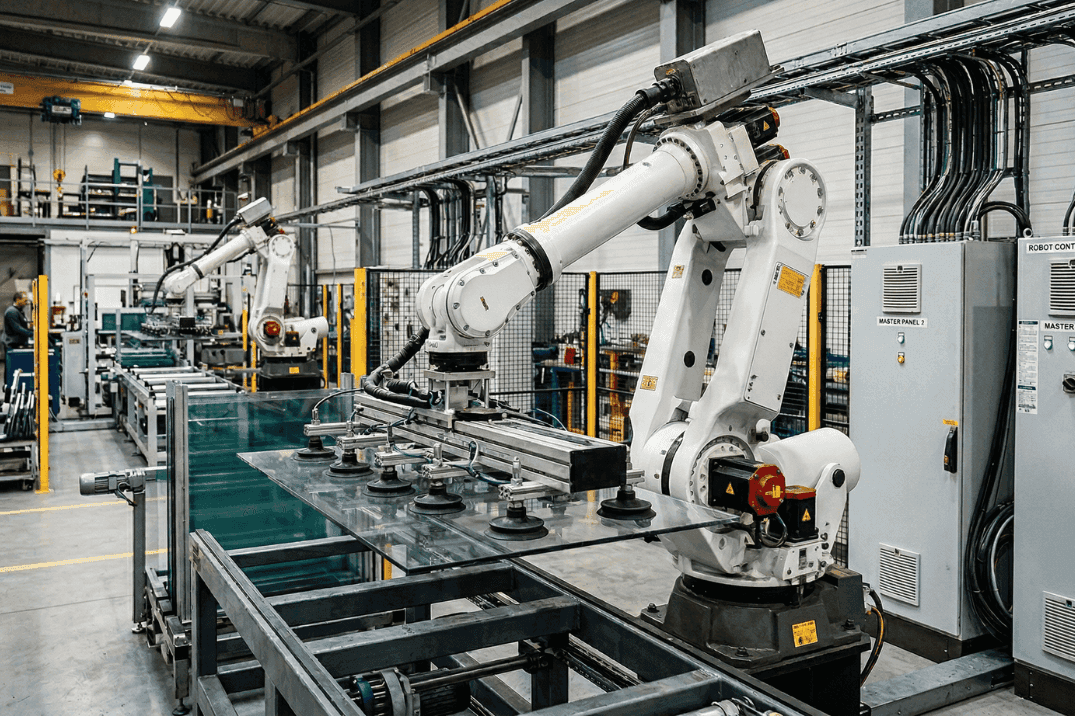
Industrial robotic arms handling materials on a conveyor system within an automated production line, illustrating integrated robotics, control systems, and material handling infrastructure

Cycle Time Constraints Impact Production Targets


The speed at which a robotic cell can complete operations often falls short of theoretical expectations. Acceleration and deceleration phases consume significant portions of the cycle, particularly when precision is required. Robots must slow down as they approach target positions to achieve accurate placement, adding time to each movement.


Tool changing, part inspection, and communication with other equipment all introduce delays that accumulate across production runs. A cell that appears capable of meeting output targets in simulation may struggle to achieve the same performance in reality due to these incremental time losses. In many cases, the constraint is not the robot alone but the wider manufacturing process that surrounds it.


Programming Complexity Limits Flexibility

Modern robotic cells require sophisticated programming to handle even moderately complex tasks. Teaching robots to manage variations in part orientation, accommodate tolerance stackups, or respond to quality issues demands significant expertise. Many manufacturers lack in-house personnel with the necessary skills, creating dependence on external integrators for routine modifications.


The time required to reprogram a cell for new products or process changes can render automation economically unviable for low-volume production. Facilities that need to switch between multiple product variants frequently may find their robotic cells spending more time in setup mode than in productive operation. This challenge can be especially pronounced in collaborative robot applications, where flexibility is often expected but still depends heavily on the underlying control system and application design.

Sensor Limitations Restrict Adaptive Capability

Vision systems and force sensors have expanded robotic capabilities considerably, yet they remain constrained by environmental factors. Lighting conditions, surface reflectivity, and part cleanliness can all interfere with vision-guided operations. Components with inconsistent coatings or varying surface finishes may prove difficult for cameras to identify reliably.


Force sensing provides valuable feedback for assembly operations but struggles with subtle variations that human workers detect instinctively. The inability to perceive and respond to unexpected conditions means robotic cells often require more rigid process control than their manual counterparts. This also has implications for collaborative robot safety and human safety, since sensing performance influences how reliably the cell can detect unexpected interaction or unsafe conditions.

vision-guided-robotics-system

Environmental Factors Impose Operating Boundaries


Robotic systems do not operate in isolation; their performance is directly influenced by the surrounding environment. Variations in temperature, airborne contaminants, and facility conditions can all impose limitations on accuracy, reliability, and long-term efficiency.

Key environmental constraints include:

Temperature Variation and Thermal Expansion

Fluctuations in temperature can affect robot accuracy, as mechanical components expand or contract, leading to positional drift over time.

Lack of Climate Control

Facilities without stable environmental conditions may experience inconsistent performance across seasons or even throughout the day.

Humidity and Condensation Risks

High humidity levels can impact electrical components and lead to condensation, increasing the risk of faults or system failures.

Airborne Contaminants

Dust, oil mist, and particulates commonly found in manufacturing environments can degrade components and reduce overall system reliability.

Protective Measures and Trade-Offs

Enclosures and sealing solutions help mitigate environmental risks but can add cost, increase system complexity, and restrict maintenance access.

Impact on Safety Systems

Environmental conditions may also influence the effectiveness of built-in safety features, particularly in harsh or variable operating environments.

Integration Challenges With Existing Systems

Robotic cells rarely operate in isolation. They must communicate with warehouse management systems, quality databases, and production scheduling software. Legacy equipment often uses outdated communication protocols that prove difficult to interface with modern robotic controllers.


The need for seamless data exchange can require substantial investment in middleware and custom integration work. Facilities with heterogeneous equipment from multiple suppliers face particularly challenging integration scenarios that limit the overall effectiveness of their robotic cells. In broader manufacturing automation environments, these issues can extend into adjacent autonomous systems, making integration as important as the robot selection itself.

Maintenance Requirements Create Hidden Downtime

Robots require regular maintenance including lubrication, belt replacement, and calibration checks. Unplanned downtime for repairs can disrupt production schedules significantly, particularly in cells designed without redundancy. The availability of spare parts and qualified service personnel varies considerably by manufacturer and geographic location.


Understanding these hidden constraints allows manufacturers to make informed decisions about robotic cell implementation, ensuring that automation investments deliver their intended benefits. It also helps organisations assess the safety purposes of guarding choices, align installations with relevant safety standards and robot safety standards, and determine whether a collaborative robot or more traditional robotic cell architecture is the better fit for the application.

Engineers performing maintenance on an industrial robotic arm within a fenced robotic cell, highlighting downtime, system complexity, and maintenance requirements
Need help navigating robotic cell constraints?