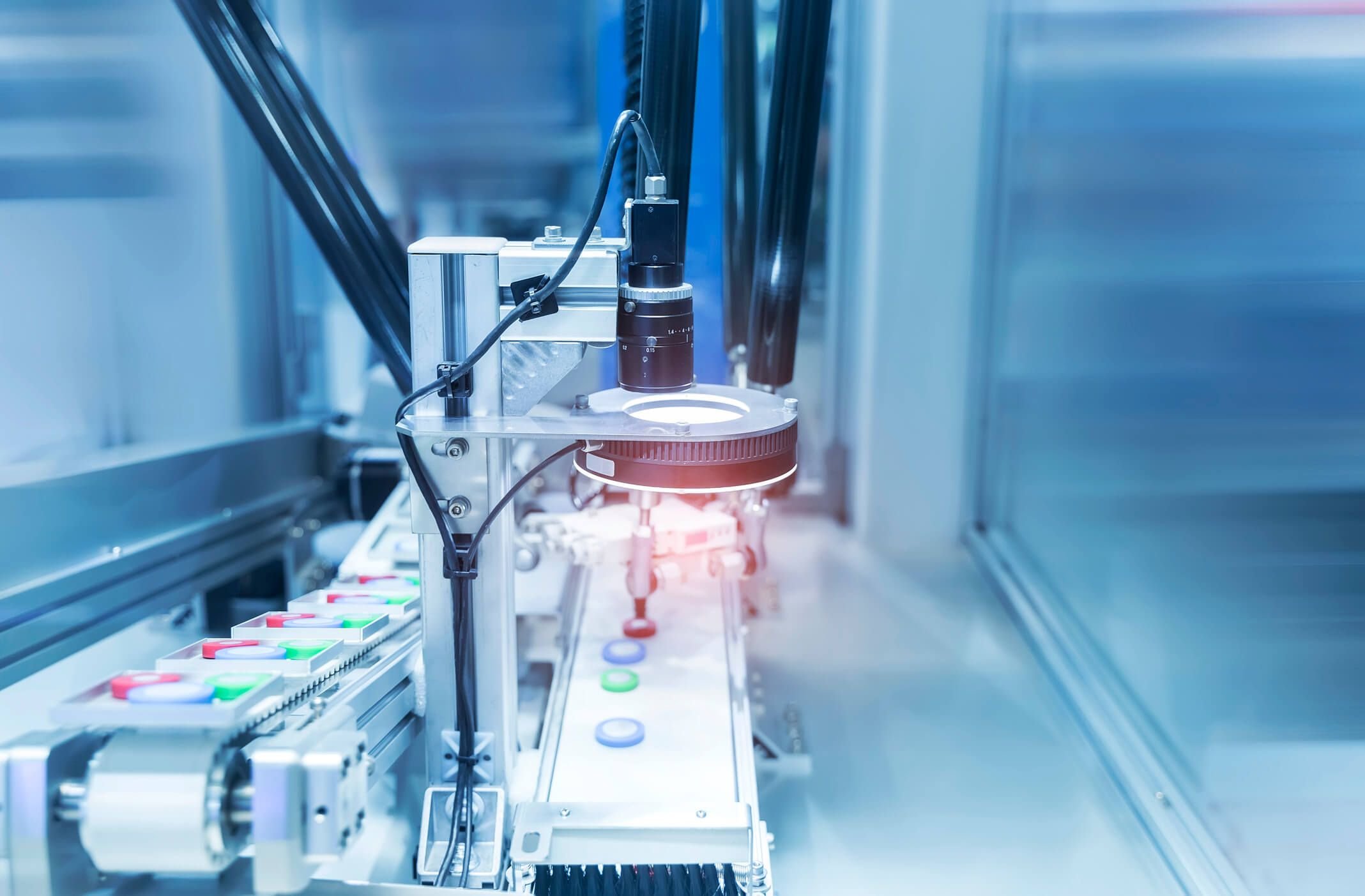
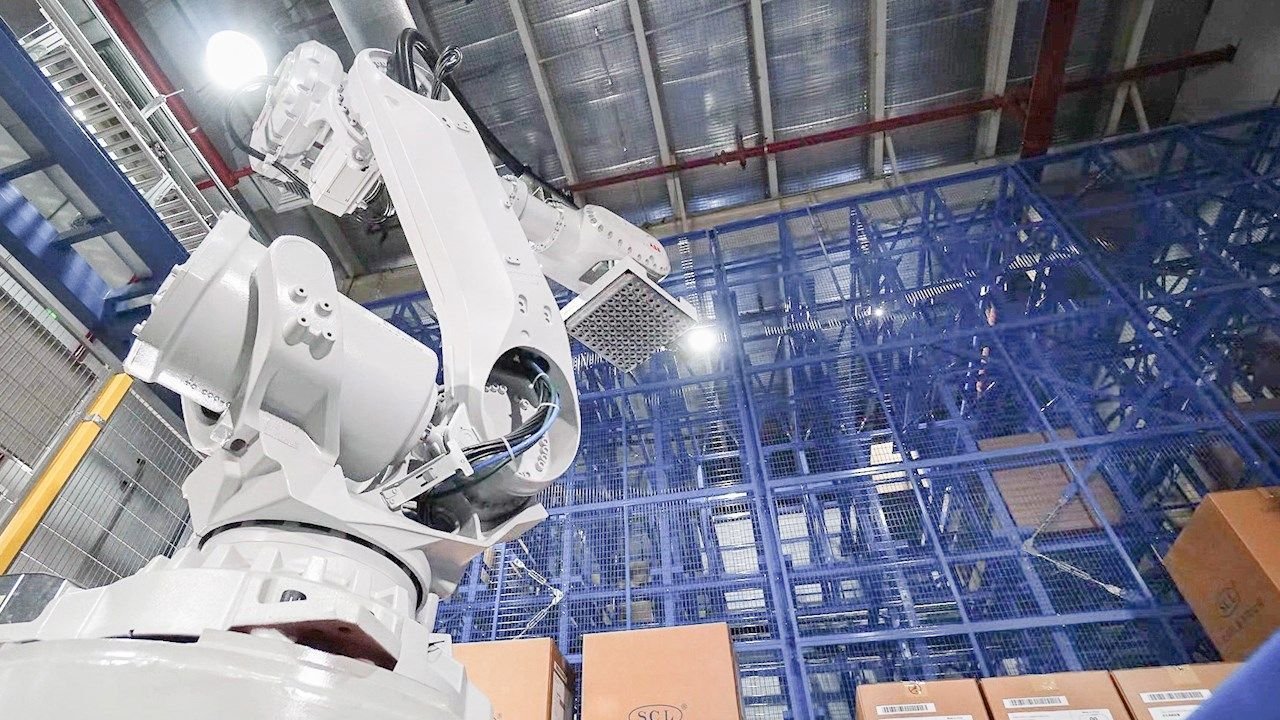
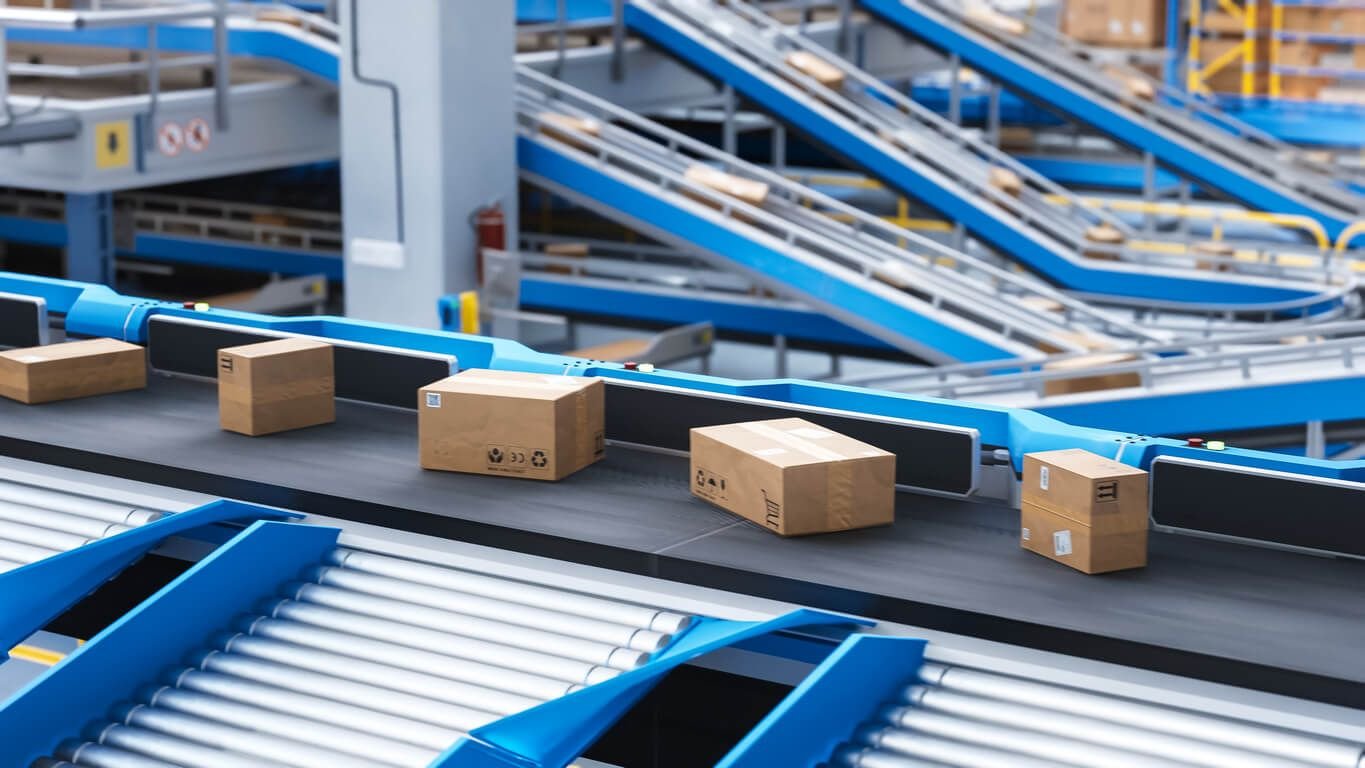
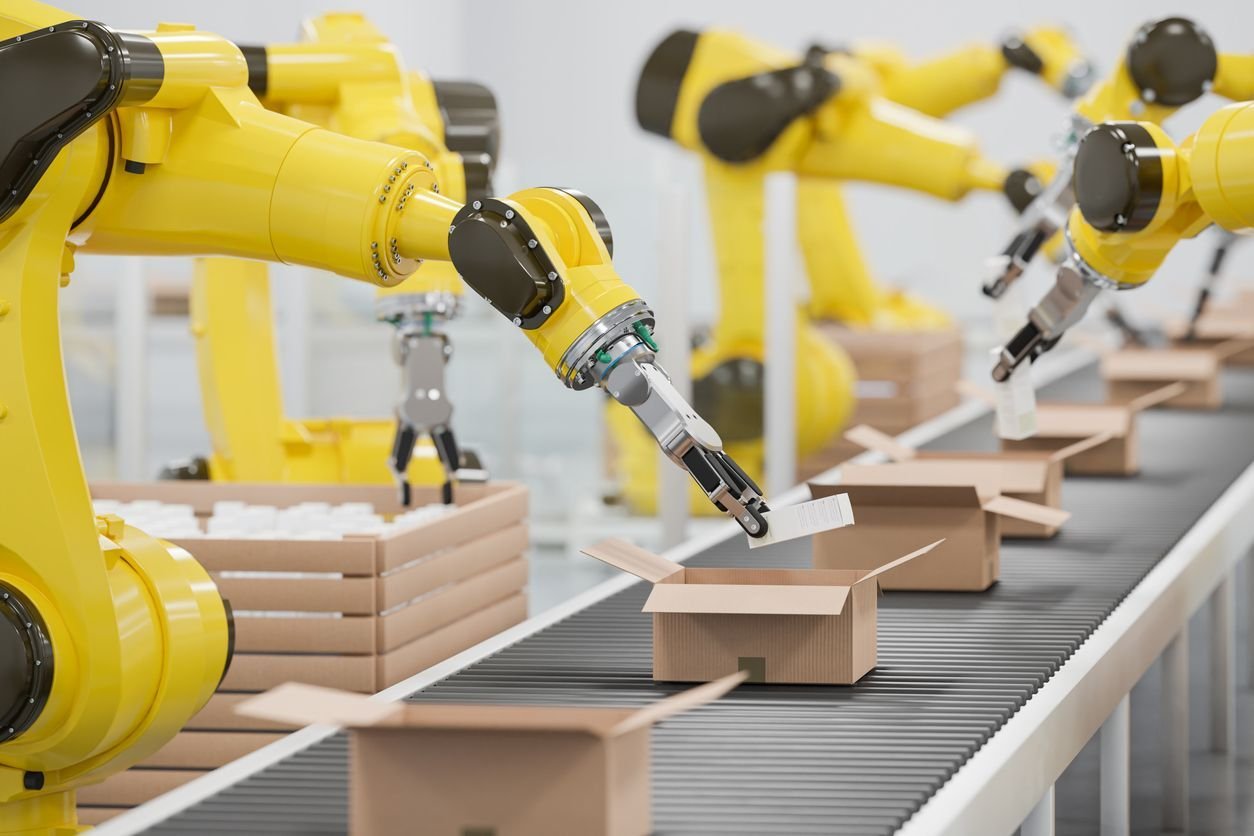
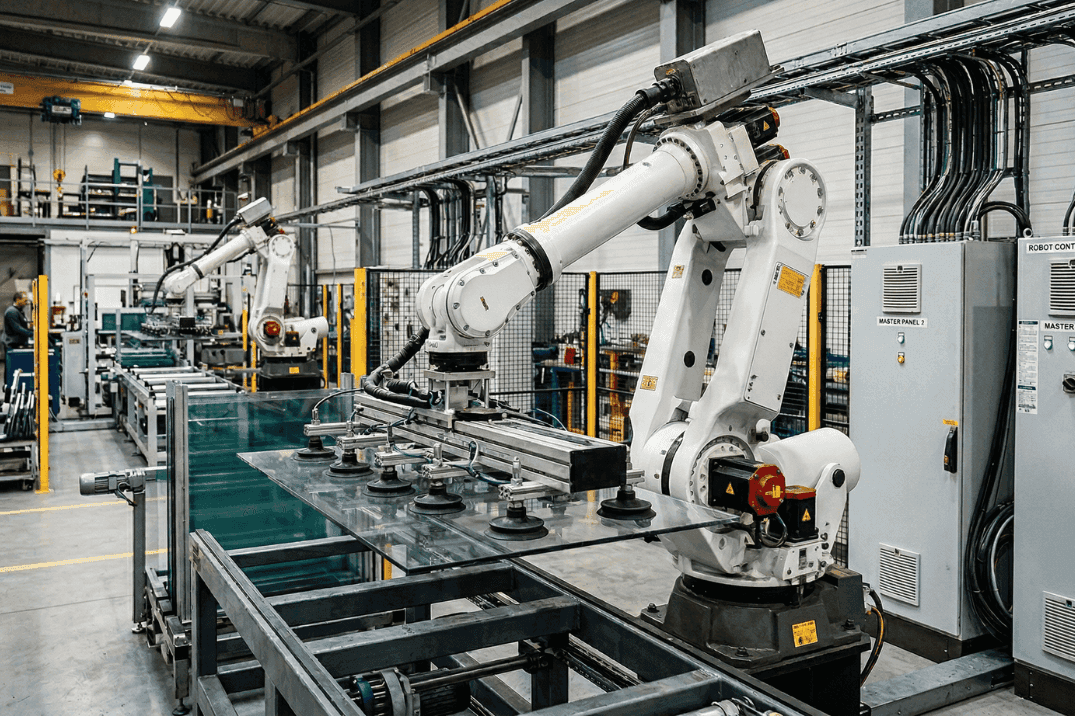
Industrial robotic arms handling materials on a conveyor system within an automated production line, illustrating integrated robotics, control systems, and material handling infrastructure

What Actually Makes a Robotic System

When most people picture robotics in action, they envision the mechanical arm itself, the gleaming metal structure that welds car parts together or the articulated device that picks and places products on an assembly line. Yet this visible component represents only a fraction of what constitutes a functional robotic system.

In practice, robotic system types can range from industrial robots on assembly lines to autonomous robots operating in more dynamic environments. Understanding the complete ecosystem that enables a robot to perform useful work reveals a far more complex and fascinating picture.

The Control Architecture That Orchestrates Movement

At the heart of every robotic system lies a control architecture that translates human intentions into mechanical actions. This architecture typically consists of multiple layers, each handling different aspects of operation. The motion controller generates the precise signals that drive motors and actuators, whilst simultaneously monitoring sensors that provide feedback about position, speed, and force.


Modern robotic systems employ sophisticated control algorithms that can compensate for mechanical variations, environmental changes, and unexpected disturbances. These algorithms might include proportional-integral-derivative (PID) controllers for basic motion tasks, or more advanced adaptive control schemes for applications requiring exceptional precision or flexibility. In more advanced applications, artificial intelligence and machine learning may also support optimisation, especially where systems must adapt to variable conditions over time. Without this control layer, even the most mechanically perfect robot would remain an inert sculpture of metal and composite materials. Equally, without a stable power supply and reliable control hardware, even well-designed industrial robots cannot deliver consistent performance within broader industrial automation environments.

Sensing Systems That Create Awareness

Robots cannot operate effectively in the real world without information about their surroundings. The sensing systems within a robotic installation provide this crucial awareness through multiple modalities. Position encoders track the exact location of each joint and moving component, ensuring that commanded movements match actual physical displacement.


Vision systems have become increasingly central to modern robotic applications. Cameras paired with image processing software enable robots to identify parts, detect defects, read labels, and navigate spaces. This combination of sensor technology, visual sensors, and advanced sensors gives robots a practical sensor system for interpreting their environment. Force and torque sensors allow robots to detect contact with objects and adjust their grip accordingly. Capabilities are essential for assembly operations or any task involving delicate handling.

vision-guided-robotics-system

Environmental sensors monitor factors such as temperature, humidity, and vibration that might affect performance. This sensory information flows continuously into the control system, creating a feedback loop that enables adaptive, responsive behaviour rather than merely executing pre-programmed sequences. In more capable installations, this also contributes to robot perception, allowing the system to respond more intelligently to changing inputs and workpiece variation.

The Programming Environment and User Interface


Creating useful robotic behaviour depends on how effectively operators can define, test, and adapt tasks within the system. Modern robotic programming environments are designed to balance precision with usability, enabling both specialist engineers and operational staff to interact with automation systems efficiently. Key elements of these environments include:

Low-Level and High-Level Programming Options

Systems range from detailed code that directly controls motor functions to intuitive graphical interfaces that allow task creation through visual programming or demonstration.

Teach Pendants for Manual Programming

Handheld devices enable operators to guide robots through movements and positions, which can then be recorded and repeated with high accuracy.

Simulation and Virtual Testing

Advanced platforms include simulation tools that allow robot programmes to be developed, tested, and optimised in a virtual environment before deployment.

Rapid Reconfiguration and Flexibility

The usability of the programming interface determines how quickly systems can be adapted to new products, batch sizes, or process changes.

Accessibility for Non-Specialists

User-friendly interfaces reduce reliance on specialist programmers, allowing wider operational teams to make adjustments as production requirements evolve.

Integration Infrastructure and Connectivity

Robotic systems rarely operate in isolation. The integration infrastructure connects robots to the broader manufacturing or operational environment, enabling coordination with other equipment, databases, and management systems. Industrial communication protocols such as Ethernet/IP, PROFINET, or OPC UA allow robots to exchange information with programmable logic controllers (PLCs), conveyor systems, inspection equipment, and enterprise resource planning (ERP) software.


This connectivity enables sophisticated workflows where upstream processes automatically inform the robot about incoming work, robots report completion status to downstream operations, and production data flows into quality management and scheduling systems. The network infrastructure supporting these connections, including switches, cables, wireless access points, and cybersecurity measures, forms an essential but often overlooked component of the complete robotic system. In more advanced industrial automation settings, similar integration principles also support autonomous vehicles and other connected automation assets working alongside fixed robotic cells.

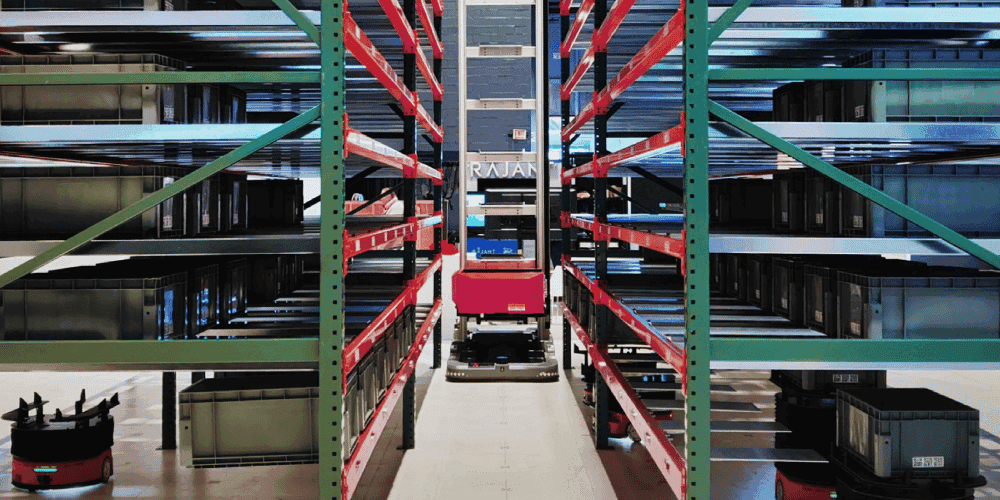
Collaborative Robotics cobots

Safety Systems and Protective Measures


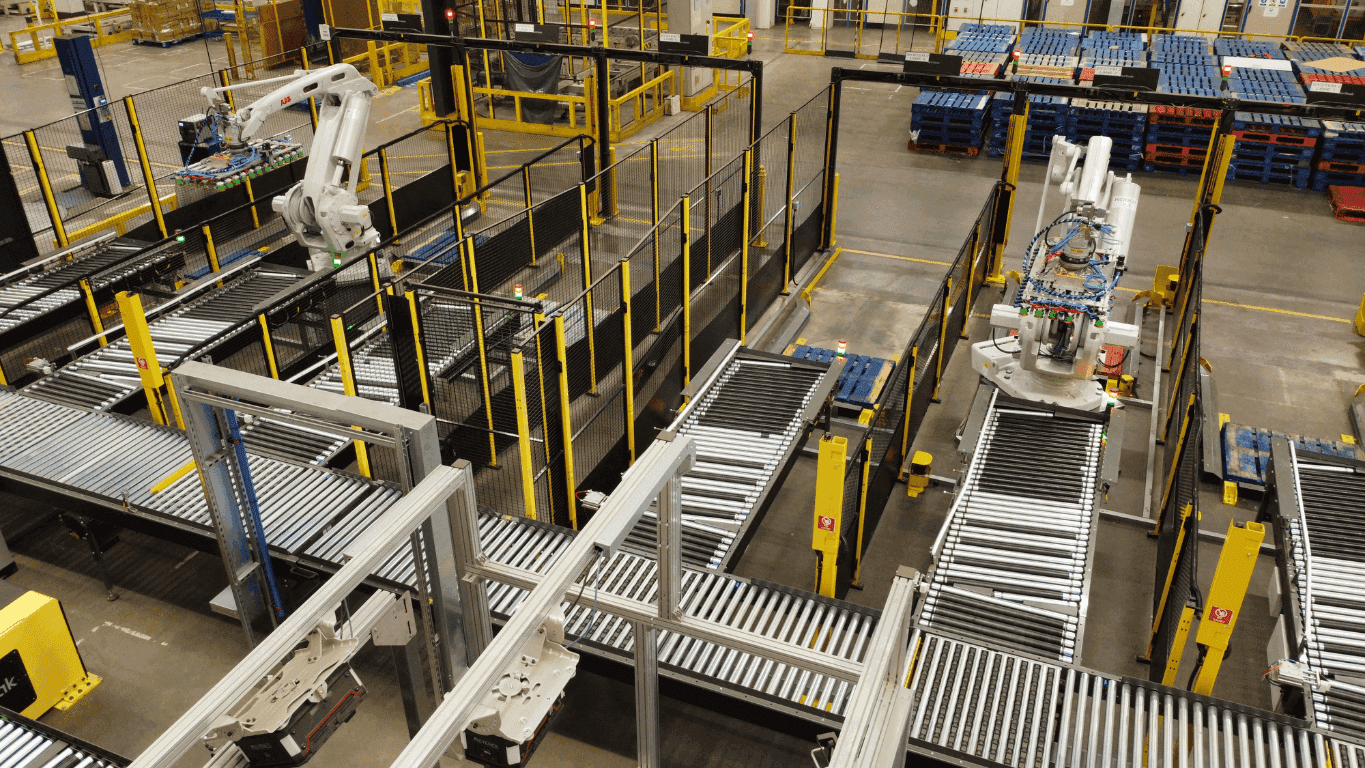
Regulations governing industrial robotics mandate multiple layers of safety protection to prevent harm to human workers. These systems include physical barriers such as safety fencing and light curtains that detect intrusions into hazardous zones. Safety-rated sensors and controllers continuously monitor robot behaviour and can trigger immediate stops if unexpected conditions arise.


Collaborative robot systems incorporate additional safety features such as force-limiting technology that ensures robots cannot apply dangerous levels of force even in direct contact with humans. Emergency stop circuits provide redundant shutdown pathways that remain functional even if primary control systems fail. These protections are especially important in environments where human-robot interaction forms part of normal operation rather than an exception.


The Foundation: Mechanical Support Structures


Even the most sophisticated robotic arm requires a stable mounting platform. The mechanical support structure, whether a floor-mounted pedestal, ceiling suspension system, or linear track, must withstand the forces generated during robot motion without flexing or vibrating excessively. Insufficient structural rigidity degrades positioning accuracy and can create dangerous resonance conditions. This is particularly true for applications using a six-axis robotic arm, where reach, speed, and robot agility can place significant demands on the supporting structure.

Understanding the Complete Picture

Recognising that a robotic system extends far beyond the manipulator itself provides essential context for anyone evaluating, purchasing, or implementing robotic solutions. The hidden components, control systems, sensors, programming tools, integration infrastructure, and safety measures, often represent the majority of implementation effort and determine whether the installation delivers its promised benefits. 


Only by addressing all these elements can organisations create robotic systems that perform reliably, adapt to changing needs, and integrate seamlessly into broader operational contexts. That remains true whether the application involves traditional industrial robots, autonomous robots, or even more experimental platforms such as humanoid robots.

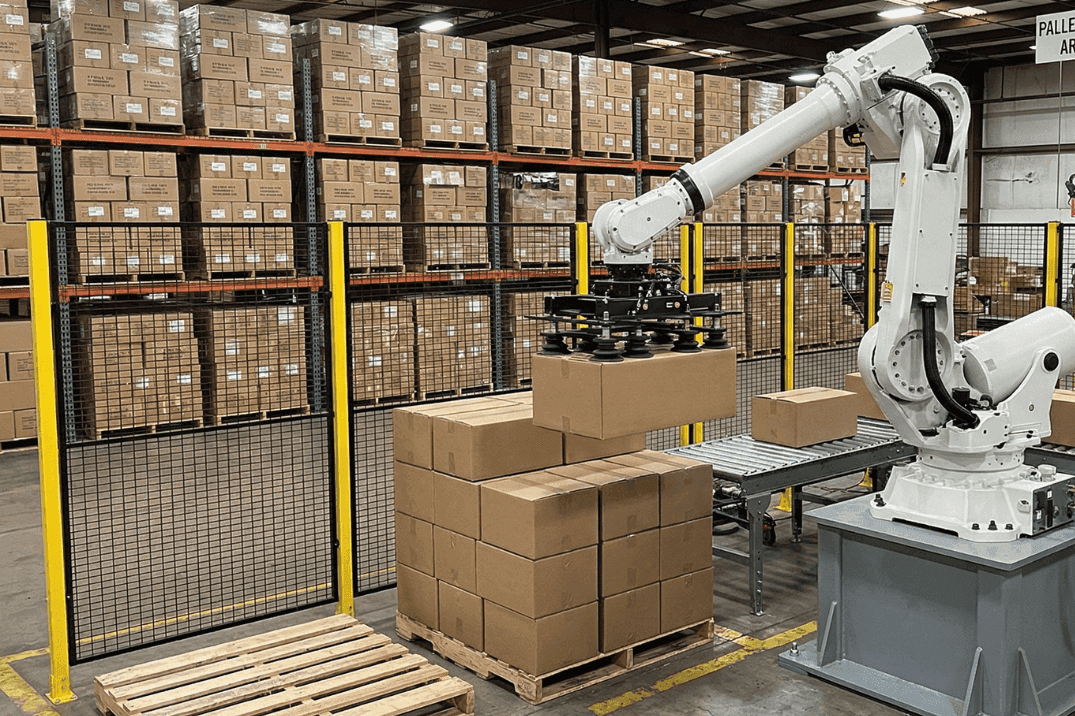
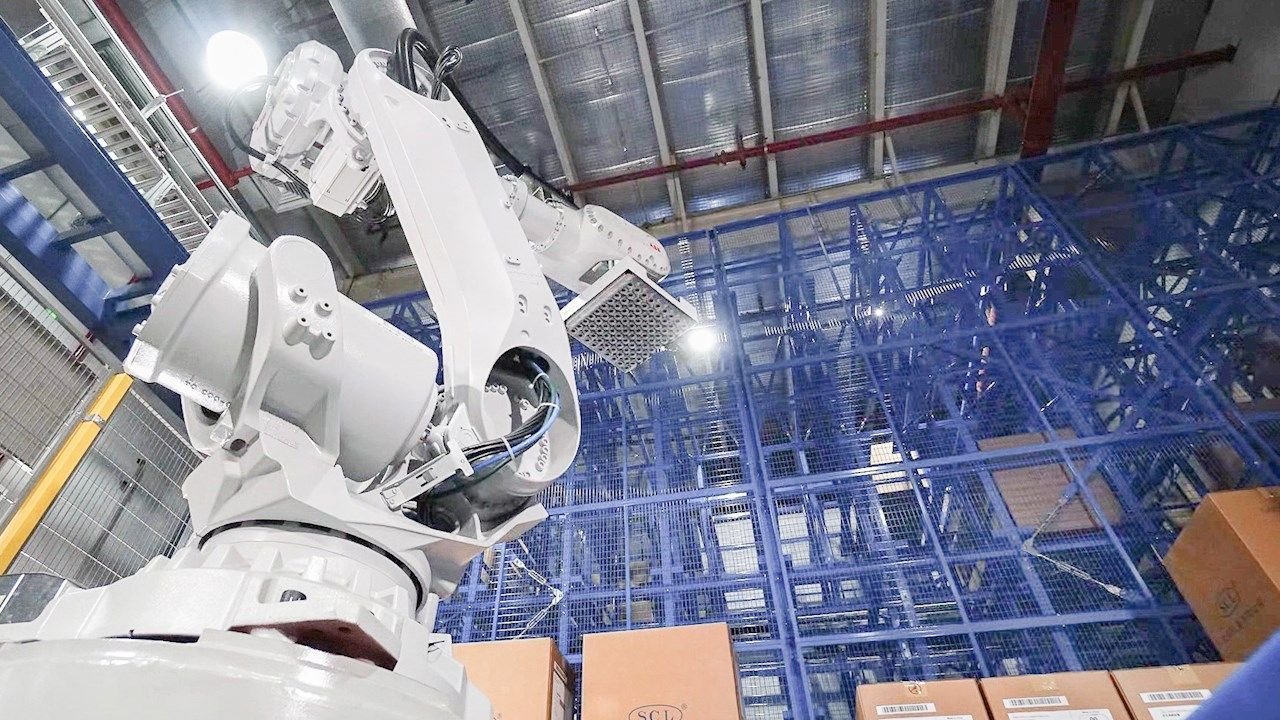
Industrial robotic arm stacking cardboard boxes onto a pallet from a conveyor system in a warehouse, demonstrating automated palletising and material handling efficiency
Looking to integrate a complete robotic solution?