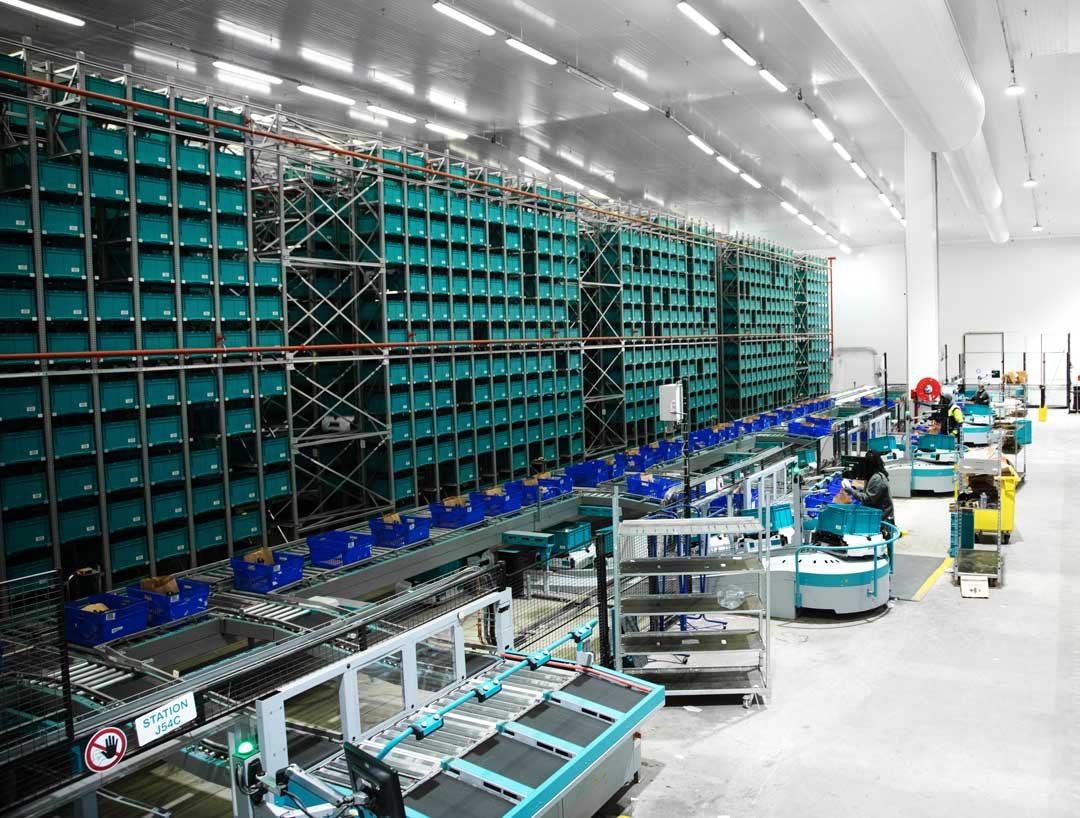
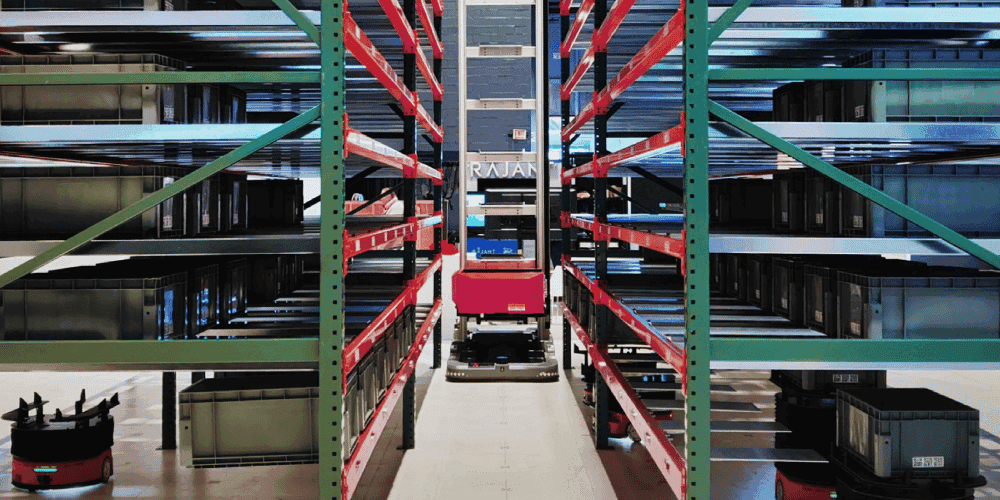
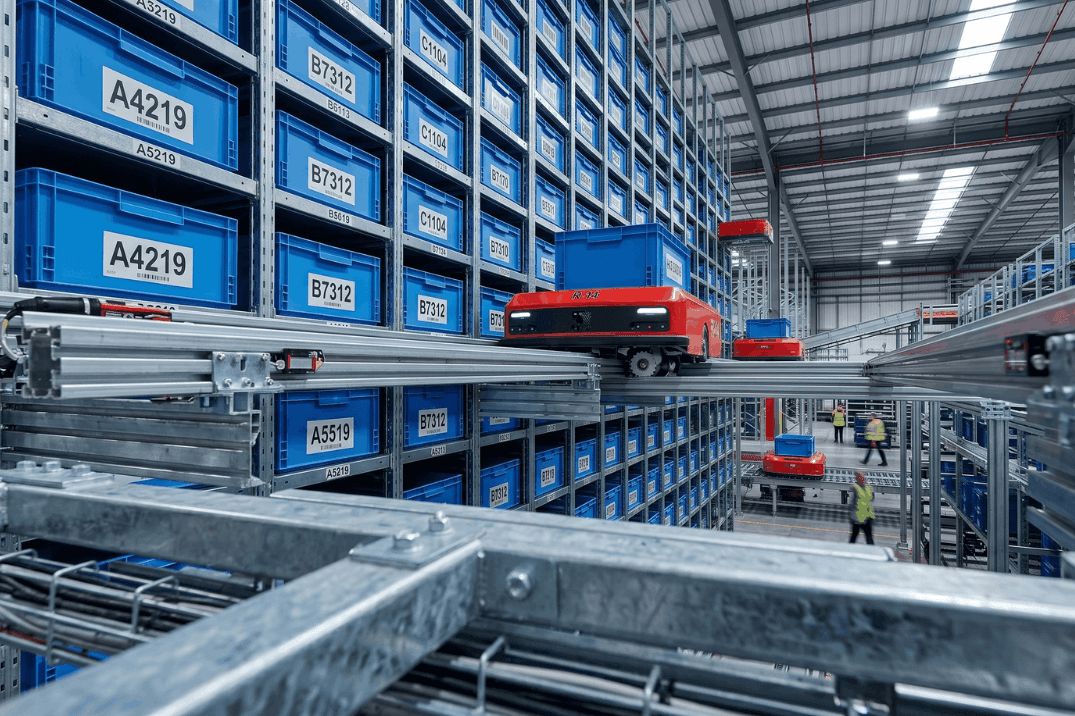
High-density shuttle-based ASRS system with autonomous robots transporting blue storage totes within a structured racking system, illustrating the balance between storage capacity and retrieval responsiveness in automated warehouse operations.

How to Plan Warehouse Automation Without Disrupting Operations

Across the UK, warehouses and distribution centres are under mounting pressure to do more with less. Rising labour costs, tighter delivery windows, and growing order volumes have made warehouse automation project planning a priority for operations leaders in retail, logistics, and food and beverage. Logistics UK reports that the sector now processes more than 4.4 billion online orders annually, with automation able to reduce picking errors by up to 99.9% and increase fulfilment speed by 300% in high-volume facilities.¹ The challenge is not simply whether to automate, but how to do so without grinding existing warehouse operations to a halt during the transition.

Why Disruption Is the Primary Fear

The most common reason businesses delay automation investment is not budget or technology, it is fear of operational disruption. A warehouse that goes dark for two weeks to accommodate installation is not a viable option for most operators, particularly with same-day and next-day delivery expectations now the norm and seasonal peaks like Black Friday and Christmas placing more pressure on the operation each year.² Understanding how to sequence, phase, and manage the automation journey is therefore as commercially important as the automation specification itself.

Start with a Detailed Operational Audit

Before any automation specification is drawn up, a thorough operational audit is essential. This means mapping every material flow through the facility: inbound receipt, put-away, storage, pick, pack, sortation, and despatch, along with the Warehouse Management System integrations, inventory tracking, inventory management, and order processing rules that sit behind them. The audit should identify bottlenecks, peak throughput rates, and any areas where current manual processes are already at capacity.

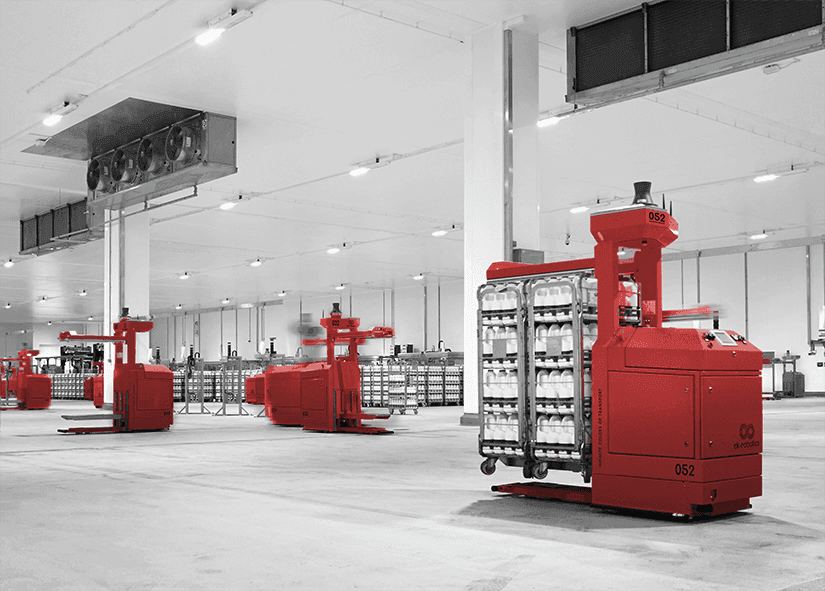
The audit outputs directly inform the automation scope. A well-structured warehouse automation project planning process will identify which functions to automate first, where the highest throughput gains and cost reduction are available, and which areas of the operation can remain manual during the transition. It also clarifies which automation technologies are likely to add most value, whether that is Autonomous Mobile Robots and Automated Guided Vehicles for goods movement, conveyor systems and conveyor belts for fixed flows, sortation systems for high-velocity despatch, robotic picking arms and collaborative robots at pick stations, or ASRS options such as mini-load AS/RS, pallet stacker cranes, and shuttle-based solutions for dense storage.

Phase the Project Around Operational Reality


A phased approach is the standard methodology for live warehouse automation. Rather than specifying a complete system and implementing it all at once, phasing allows sections of the facility to be taken offline and reinstated before the next area is touched. Each phase should deliver a functional, tested increment of the overall system, with a clear measure of Operational Readiness before the next phase begins.

Key phasing considerations include:

Peak trading windows

Avoid scheduling installation or commissioning during peak periods such as Q4 retail or harvest season for food and beverage clients. These windows typically run for six to twelve weeks and should be ring-fenced from any disruptive works.

Temporary bypass routes

Design material flow bypasses so that goods can continue moving through unaffected areas while construction and installation proceed elsewhere.

Storage buffer

Increase buffer stock in available storage space before each phase begins to absorb any short-term throughput reduction during the transition period.

Commissioning overlaps

Where possible, run new automation solutions in parallel with existing processes before cutting over, rather than switching hard. This protects order accuracy and supports real-time visibility of every unit moving through the system during the handover.

Involve the Automation Partner Early

Warehouse automation project planning benefits significantly from involving a systems integrator at concept stage, before any formal tender or specification is issued. Early involvement allows the integrator to assess the building fabric, floor flatness, loading dock constraints, and available headroom, all of which affect the feasibility and cost of the preferred solution and the integration approach for adjacent supply chain and warehouse management systems.

It also allows the project programme to be built around operational constraints from the outset, rather than retrofitted to them later. A programme that is engineered around a business's trading calendar is more likely to be delivered without unplanned disruption than one written to a generic construction timeline, particularly where multiple technologies, including robotic systems, robotic arm systems, automated guiding vehicles, autonomous vehicles, and automated picking tools, all need to interact through a single system integration layer governed by Artificial Intelligence and machine learning at the control level.

Plan for Factory Acceptance Testing

A critical and often undervalued step in any warehouse automation project is factory acceptance testing (FAT). Before any equipment leaves the manufacturing facility, a full simulation of the system should be run to verify that every component performs to specification. Problems identified at FAT are resolved off-site, reducing the risk of installation delays or performance issues once the system is live in the warehouse.

FAT is particularly valuable where the automation system involves multiple technologies: conveyors, sortation, robotic arms, and warehouse control software must all interact correctly to maintain order fulfillment performance and Inventory Control accuracy. Testing these integrations before delivery eliminates a significant class of on-site commissioning risk.

Automated warehouse featuring AS/RS system integrated with conveyors and robotics for smart logistics automation

Change Management Is Half the Project

Equipment and software are only half of any successful automation programme. The other half is project management discipline and structured change management for the operations team. People who have run a manual warehouse will be asked to operate, monitor, and maintain automated systems, and the recruitment, training, and shift restructuring needed to support that should run in parallel with the physical works, not after them.

Building a Programme That Works for the Operation

Warehouse automation project planning, done well, is a discipline in its own right. It requires an understanding of the operation, the technology, the building, and the commercial calendar, and the ability to synthesise all of these into a phased programme that delivers value at each stage. Businesses that invest in thorough planning before any equipment is ordered are consistently better placed to achieve target go-live dates with minimal disruption to ongoing throughput.

At MotionTech, our integrated approach to warehouse automation and systems integration combines conveyors, robotics, ASRS, and control software in a single coordinated programme, designed around the operational realities of UK warehouses. Speak to our team to scope a phased programme tailored to your facility.

References

  1. Logistics UK, Warehouse Automation in the UK: Robots and Smart Fulfilment, on UK online order volumes and automation-driven gains in picking accuracy and fulfilment speed. logisticsuk.org
  2. IMARC Group, UK Warehouse Automation Market Size and Forecast 2034, on the impact of labour shortages, e-commerce growth, and seasonal peaks on UK warehouse automation demand. imarcgroup.com