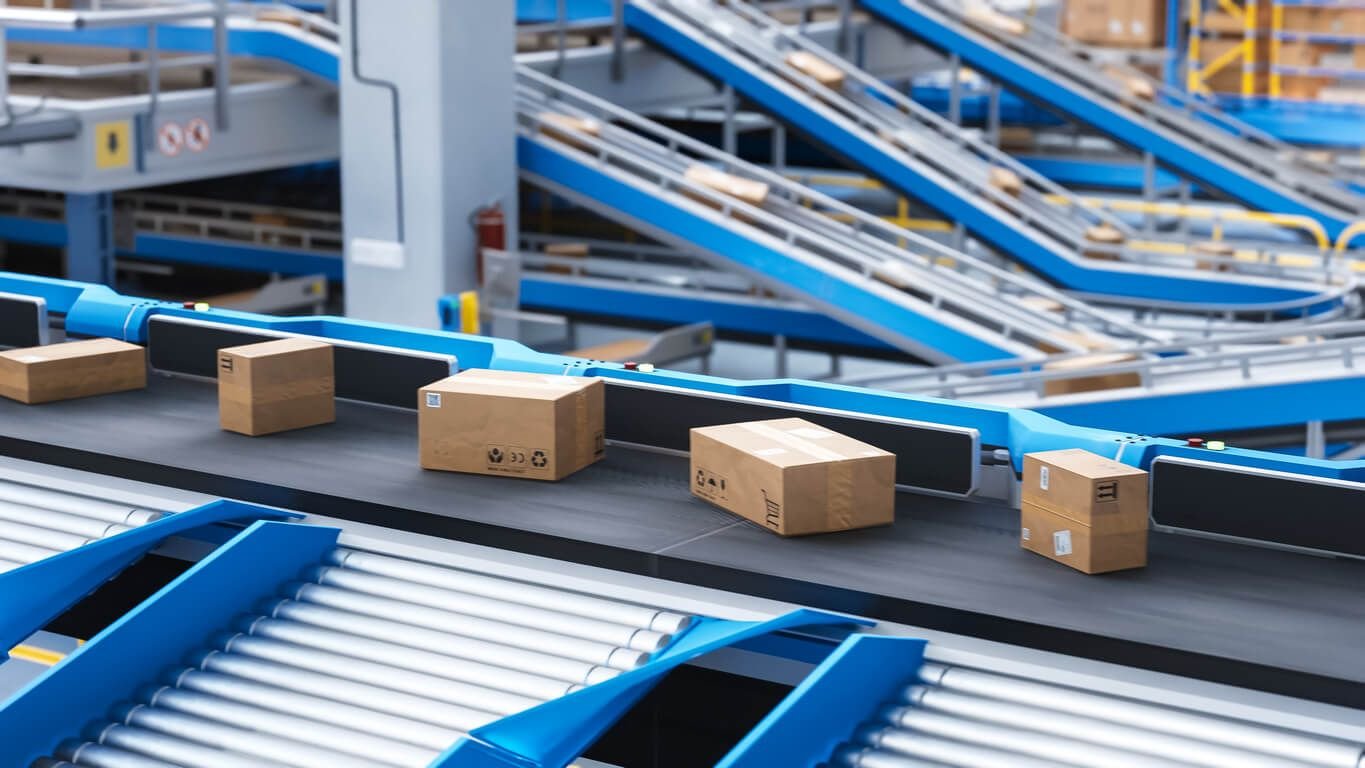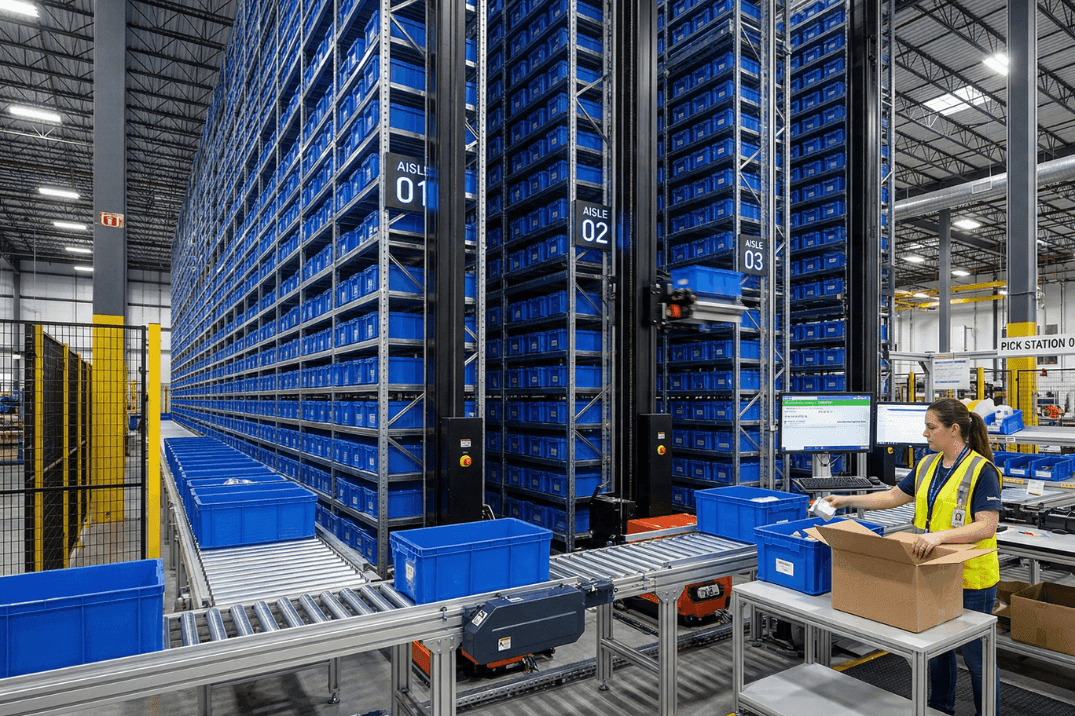
Automated storage and retrieval system with high-density racking and blue totes, integrated with conveyor lines and a picking station for efficient warehouse order fulfilment

When to Use Automated Storage and Retrieval Systems

Automated Storage and Retrieval Systems represent a significant capital investment for warehouses and distribution centres, yet their deployment does not guarantee operational success. The decision to implement Automated Storage and Retrieval Systems requires careful analysis of existing workflows, future growth trajectories, and the fundamental nature of inventory being handled.

Understanding when these systems deliver genuine value versus when they impose unnecessary limitations can determine whether a warehouse achieves competitive advantage or finds itself locked into an inflexible infrastructure. In practice, ASRS makes most sense when warehouse automation, storage density, and space optimisation are higher priorities than layout flexibility.

The Compelling Case for ASRS Implementation

ASRS technology proves most valuable in environments where space constraints collide with high-volume throughput requirements. Facilities operating in urban locations or expensive real estate markets can leverage the vertical storage capabilities of these systems to maximise cubic capacity without expanding their physical footprint. The ability to store inventory up to 40 metres high transforms the economics of warehousing in premium locations.


High-velocity operations with predictable inventory patterns also benefit substantially from automation. When SKUs demonstrate consistent demand profiles and order patterns follow recognisable rhythms, ASRS can optimise retrieval sequences and minimise travel time between storage locations. Distribution centres handling fast-moving consumer goods or pharmaceuticals with regular replenishment cycles often discover that automated systems reduce pick times by 60-70% compared with manual alternatives. In a modern distribution center, this can make ASRS one of the most effective warehouse automation and order fulfillment tools available.

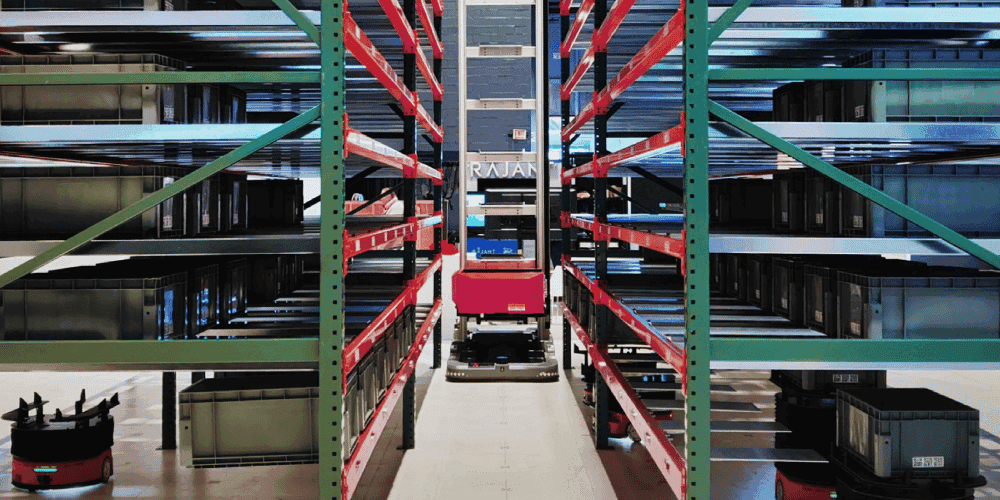
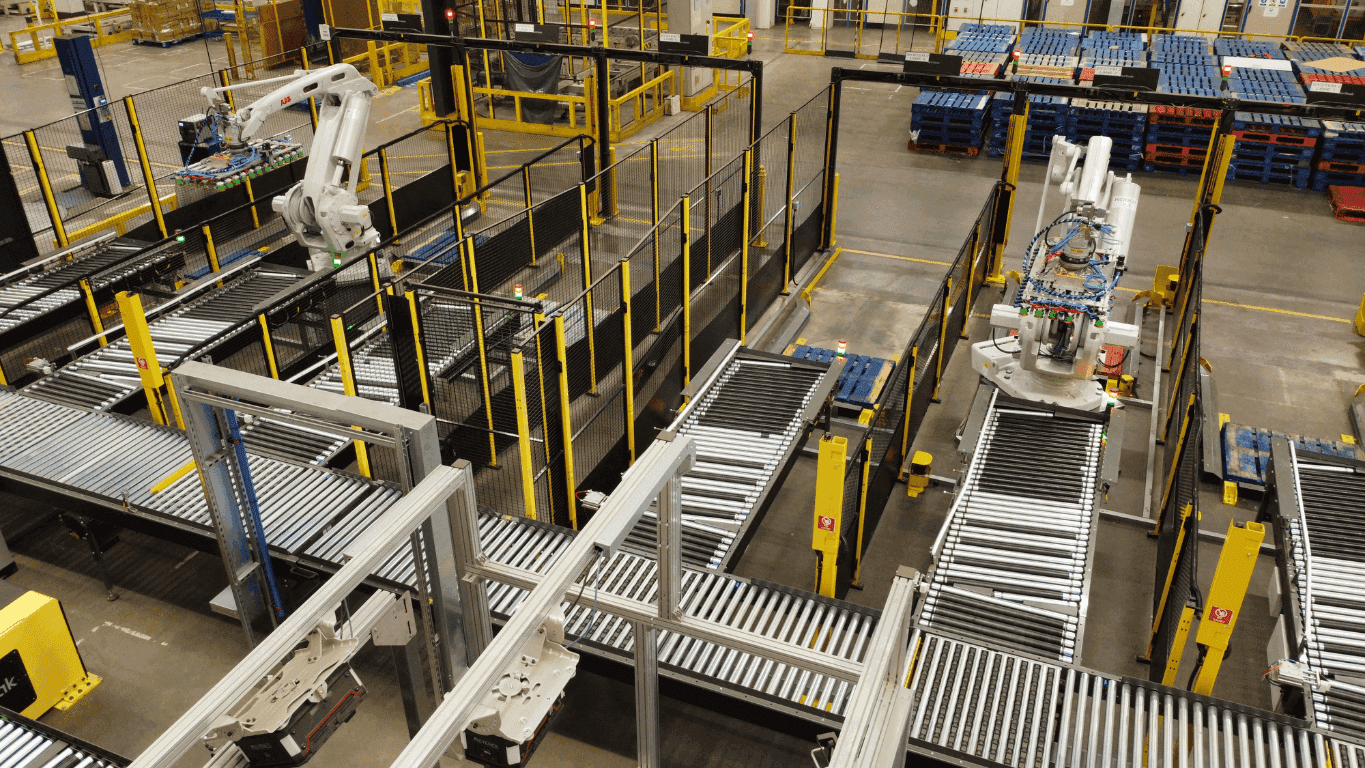
High-speed AS/RS shuttle system moving totes within dense warehouse racking, integrated with conveyor lines transporting parcels for automated sortation and fulfilment

Temperature-controlled environments present another compelling use case. Cold storage facilities face dual challenges of maintaining worker comfort and managing energy costs. ASRS minimises human exposure to extreme temperatures whilst reducing the volume of conditioned space required through dense storage configurations. The reduction in door openings and human traffic further contributes to thermal efficiency gains. In these settings, automated storage systems often outperform conventional racking because they combine storage density with more consistent operating conditions.


Operational Scenarios Where ASRS Excels


Facilities managing hazardous materials or controlled substances gain significant advantages from ASRS deployment. These systems provide enhanced security through restricted access protocols and complete audit trails for every inventory movement. Pharmaceutical manufacturers and chemical distributors can maintain regulatory compliance more effectively whilst reducing the human exposure risks inherent in manual handling operations.


Operations requiring exceptionally high inventory accuracy also justify automation investment. ASRS eliminates the manual errors that plague traditional warehousing, achieving inventory accuracy rates exceeding 99.9%. This precision becomes critical for just-in-time manufacturing environments or medical supply chains where stock discrepancies can halt production lines or compromise patient safety. It also strengthens inventory control when integrated with warehouse management systems, warehouse control system software, and broader inventory management systems.


Long-term storage applications with minimal daily transactions represent an often-overlooked ASRS opportunity. Archive storage, seasonal inventory, or slow-moving spare parts can be densely packed within automated systems, freeing valuable floor space for active picking operations. The ability to retrieve these items on demand without maintaining dedicated access aisles transforms the economics of keeping extensive back-stock inventories. In some cases, a Mini-Load ASRS or related Mini load systems configuration is particularly well suited to smaller totes, cartons, or components that require dense but accurate handling.


When ASRS Becomes a Constraint Rather Than Solution

The inflexibility of ASRS infrastructure becomes problematic in dynamic business environments. Companies experiencing rapid product portfolio changes or seasonal variations in SKU profiles may find themselves constrained by fixed storage configurations. A system optimised for pallet storage cannot easily accommodate sudden shifts toward smaller carton-based inventory, and reconfiguring automated systems often requires substantial downtime and expense.


Low-volume operations rarely justify ASRS capital expenditure. Facilities handling fewer than 100 order lines per hour typically cannot generate sufficient throughput to recover the implementation costs within reasonable timeframes. The fixed costs of system maintenance, software licensing, and specialised technical support remain constant regardless of utilisation levels, creating an unfavourable cost-per-transaction ratio for smaller operations.

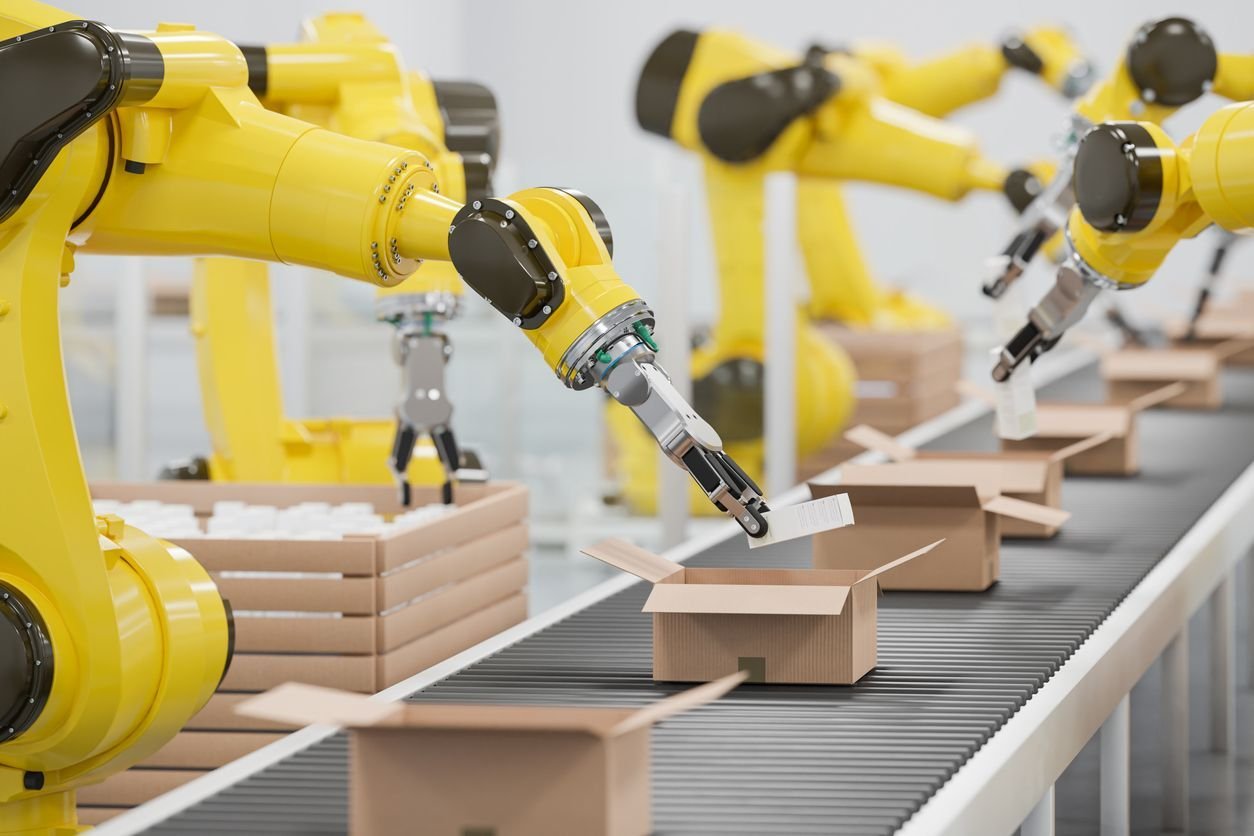
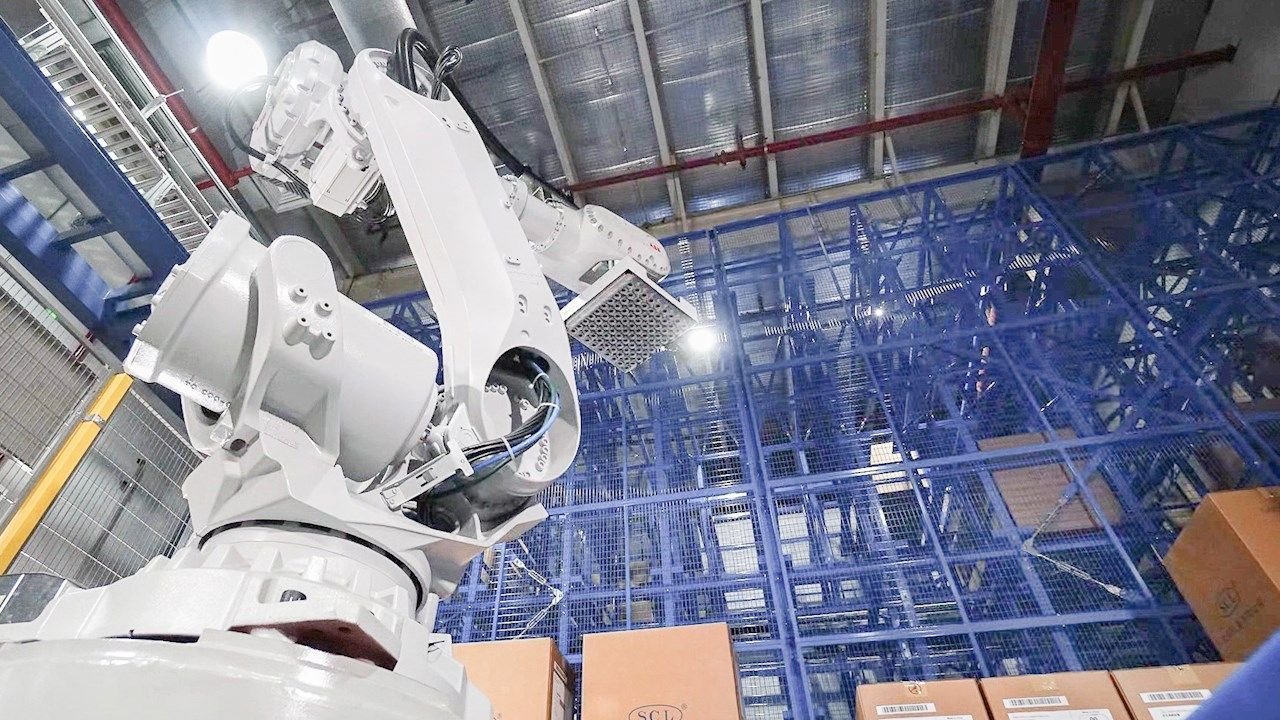
Automated storage and retrieval system handling palletised goods in fixed warehouse racking, illustrating limitations in flexibility for changing inventory types and low-volume operations

Highly variable inventory profiles also challenge automated systems. Warehouses handling diverse product dimensions, from small components to oversized equipment, may discover that ASRS cannot accommodate their full inventory range without expensive custom configurations. The resulting need to maintain parallel manual storage areas defeats the space efficiency benefits that justified automation in the first instance. Similar trade-offs can arise with a pallet shuttle system or other fixed automation systems when inventory characteristics change faster than the infrastructure can adapt.


The Integration Challenge


ASRS systems demand sophisticated warehouse management software and reliable power infrastructure. Facilities lacking robust IT capabilities or operating in regions with unstable electrical supply face significant implementation risks. The interconnected nature of automated systems means that single-point failures can halt entire operations, whereas manual warehouses typically degrade gracefully when individual components fail.


The human dimension deserves equal consideration. ASRS reduces labour requirements for repetitive tasks but demands technically skilled maintenance personnel and systems operators. Organisations unable to attract or retain these specialised workers may struggle to maintain system performance and availability rates. Success also depends on how well ASRS integrates with other warehouse automation assets, including robotic systems, vision systems, safety systems, and adjacent automation systems across the facility.

Making the Strategic Decision

The ASRS question ultimately turns on whether operational characteristics align with automation strengths. Facilities with stable, high-volume operations, space limitations, and skilled workforces typically realise substantial returns. Operations characterised by variability, modest throughput, or uncertain growth trajectories often find that conventional storage systems preserve the flexibility needed to adapt to changing business requirements without abandoning significant capital investments.


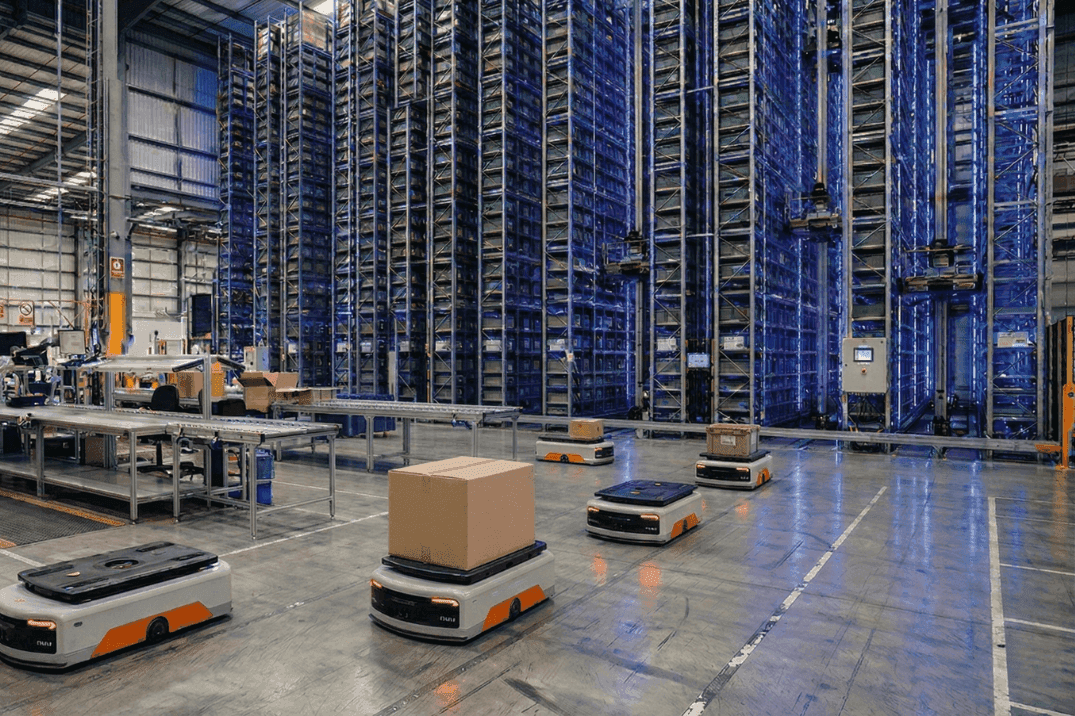
In many cases, the strongest answer is not ASRS alone but a broader warehouse automation strategy. Some organisations combine ASRS with autonomous mobile robots to improve flexibility around replenishment, transport, and order fulfillment workflows.

Autonomous mobile robots transporting goods alongside an automated storage and retrieval system in a high-density warehouse, illustrating flexible and scalable automation strategies

Others may conclude that more modular automation is a better fit than fixed infrastructure. Even as broader robotics conversations expand into areas such as humanoid robots, practical warehouse decisions still depend on throughput, inventory profile, control requirements, and the realities of day-to-day operations.

Ready to evaluate ASRS for your facility?