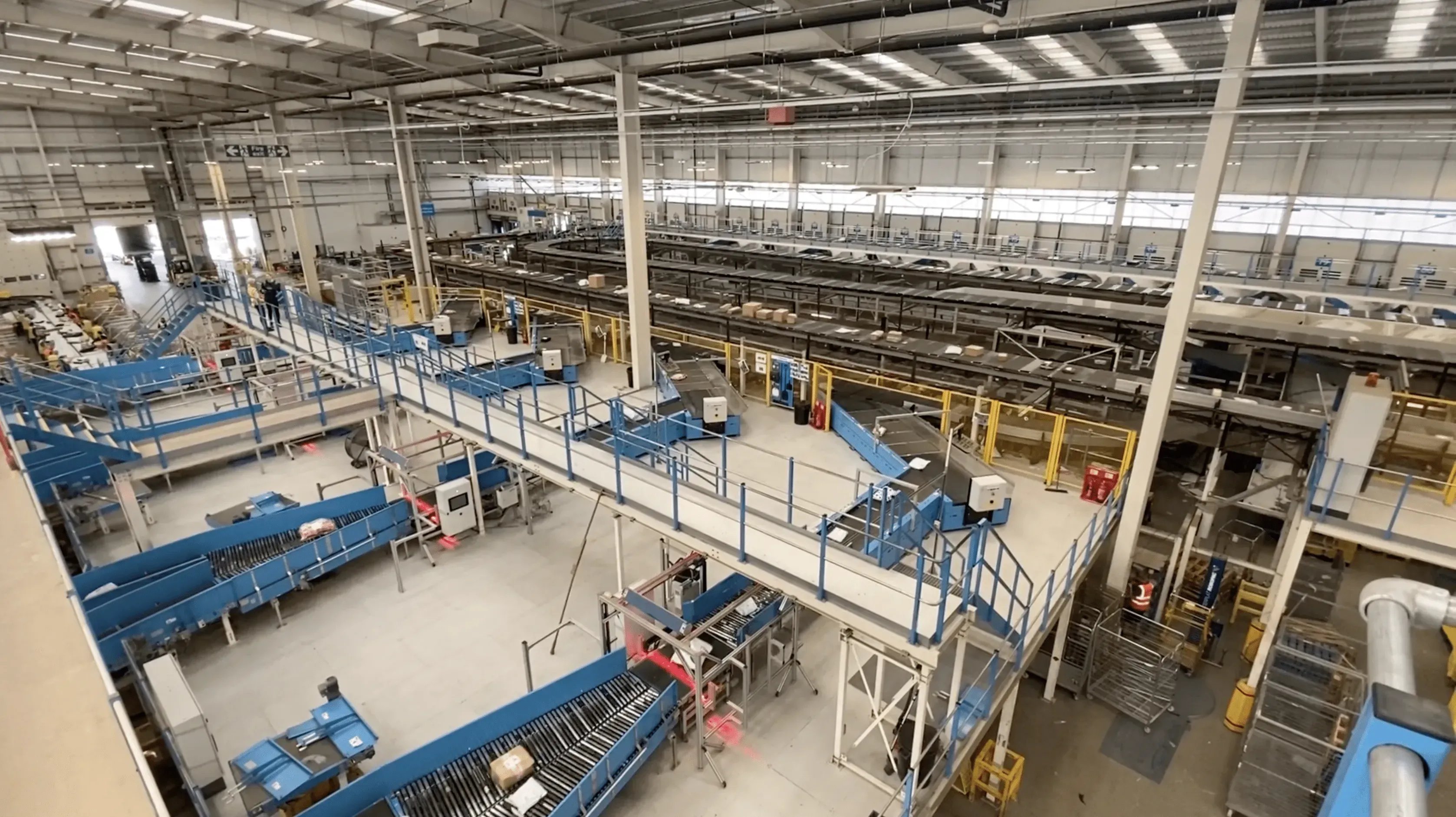
High-throughput conveyor system moving parcels in a smart factory environment focused on sustainable manufacturing and energy efficiency.

How to Improve Production Line Efficiency with Automation

Production line efficiency has become a critical competitive variable for UK manufacturing industries. Squeezed margins, rising energy costs, labour shortages, and customer pressure for shorter lead times have converged to make operational efficiency a board-level concern rather than a purely operational one. The data backs this up: UK manufacturing productivity has risen 10% since 2020 despite a 4% reduction in the factory workforce, a gap that is being closed almost entirely by greater adoption of industrial automation, robotics, and data analytics.¹ Manufacturing automation, applied at the right points in the production process, is one of the most reliable mechanisms available to improve production line efficiency without increasing headcount or facility footprint.

Where Inefficiency Accumulates on a Production Line


Before specifying automation systems, it is worth understanding where production line inefficiency typically originates. The most common sources are:

Manual transfer between stations

Wherever a person is required to move a product from one machine or process to the next, there is a throughput constraint tied to that individual's speed and availability.

Inconsistent cycle times

Manual operations vary in pace across individuals and across shifts. This variability creates imbalance between stations, generating queue build-up and idle time downstream, and reduces overall production capacity.

Unplanned stoppages

Manual processes are more susceptible to unplanned interruptions. Equipment that requires human loading or unloading stops when the operator is absent, and the same applies to manual quality checks that depend on a single trained inspector.

End-of-line bottlenecks

Palletising, wrapping, and labelling at the end of the production line are frequently the limiting factor on overall line output.

Conveyor Systems as the Efficiency Backbone

The conveyor system is the material flow backbone of a production line. Its design determines how effectively product moves between processes, how buffer stock is managed between stages, and how quickly the line recovers from a temporary stoppage at any single point.

A well-designed conveyor system introduces accumulation zones that absorb short-term variability between stations, prevents upstream stoppages from propagating immediately to downstream processes, and routes product automatically to the correct process or packaging stage without manual intervention. This alone can reduce the gap between actual and theoretical line output, and creates the foundation on which more sophisticated production workflows and automated control systems can be layered.

Robotic Automation at High-Value Intervention Points


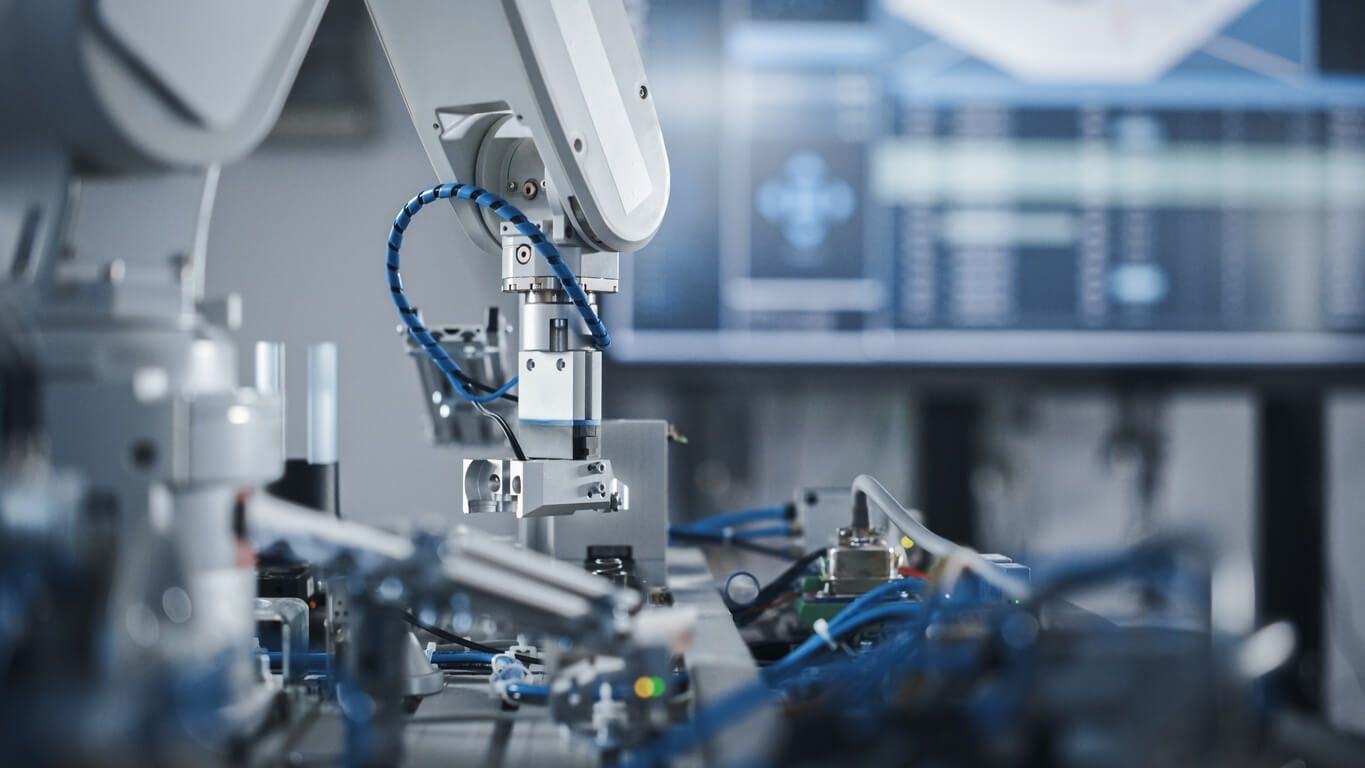
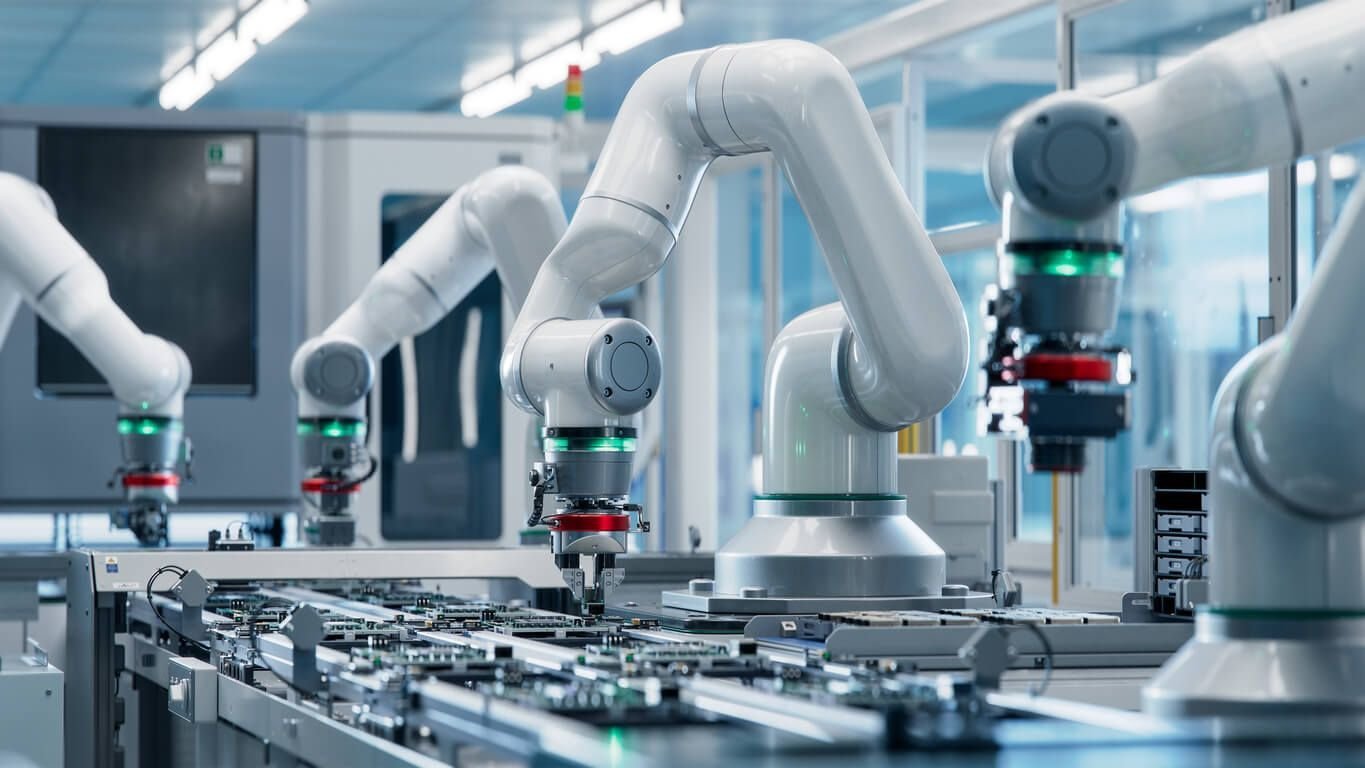
Conveyor systems move product between processes, but robotic automation and flexible automation replace the manual tasks at each stage.

The highest-value intervention points for robot automation on a production line are typically:

Machine tending

Loading and unloading CNC machines, injection moulding tools, or packaging equipment. Robotic machine tending eliminates the throughput dependency on an operator's presence at the machine.

Pick-and-place assembly

Placing components into assemblies, packing products into retail-ready trays, or inserting items into secondary packaging at rates a manual operator cannot sustain across a full shift.

Quality inspection

Vision systems and AI-assisted inspection inspect products against defined parameters at line speed, identifying non-conformances that manual inspection would miss or slow the line to accommodate. Tightly integrated quality management systems give traceability across every unit produced, directly supporting product quality and customer satisfaction.

End-of-line palletising

Robotic palletisers build consistent, stable pallet loads at the output of the production line, removing the most physically demanding task from the manual workforce and eliminating palletising as a throughput constraint.

Control, Coordination, and Real-Time Monitoring

Improving production line efficiency with automation requires more than installing individual machines. Each automated element must be coordinated with the rest of the line. A production control system manages the sequencing of tasks, monitors throughput data across each station, and flags deviations from target cycle times before they cause downstream disruption.

Modern industrial automation solutions increasingly rely on IoT sensors and real-time monitoring to feed data analytics and predictive analytics models, giving plant managers predictive insights into where the next bottleneck or failure is forming. Combined with preventive maintenance regimes that act on those insights, this coordination layer is what converts a collection of automated tools into a system that performs consistently. Without it, individual efficiency gains at one station are frequently absorbed by bottlenecks at another, and the wider supply chain, inventory management, and inventory control benefits never fully materialise.

The Make UK / PwC manufacturing executive survey shows just how clearly UK operators have recognised this: almost a third of manufacturers cite technology, cloud, and artificial intelligence as their main route to boosting productivity and reducing overheads in the year ahead.²

Measuring Efficiency Gains

The primary metric for production line efficiency is Overall Equipment Efficiency (OEE): the product of availability, performance, and quality expressed as a percentage. Automated lines consistently achieve higher OEE than their manual equivalents because they reduce unplanned downtime, deliver consistent cycle times, and produce lower defect rates across the production cycle. Establishing a baseline OEE before automation begins allows the impact to be measured and reported with precision, and gives a defensible foundation for further investment.

Alongside the technology, well-structured employee training and training programs remain critical. Automated lines still depend on skilled operators, maintenance technicians, and engineers to keep them performing, and the firms that invest in upskilling their teams alongside the equipment consistently capture more of the available efficiency gain.

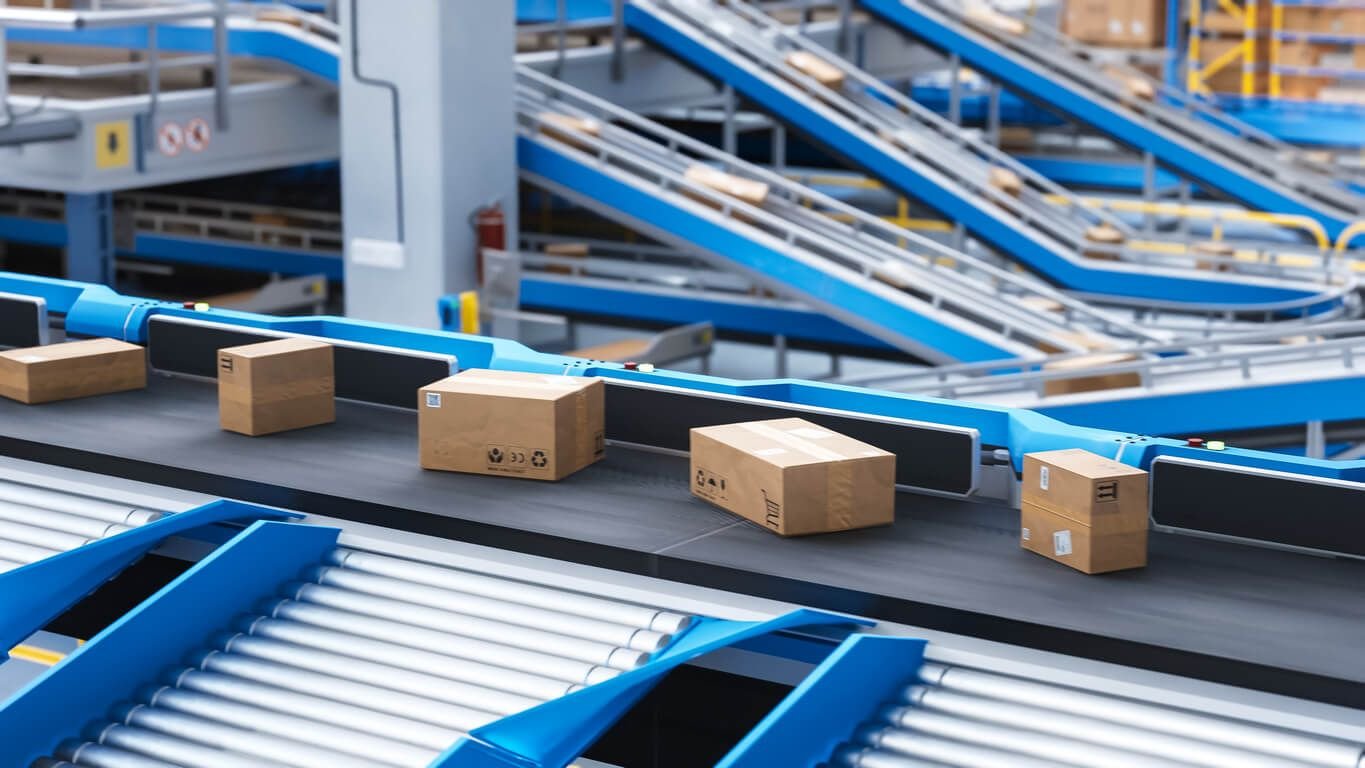
Multi-level roller conveyor system supporting sustainable manufacturing automation and energy-efficient material handling in a modern warehouse.

A Reliable Route to Higher Output

Industrial automation, applied systematically to the transfer, handling, and inspection tasks on a production line, delivers improvements in output consistency, throughput ceiling, and direct labour efficiency that manual operations cannot replicate, both in core production and in adjacent logistic operations. Businesses that combine a well-designed conveyor system with targeted robotic automation at the highest-impact points are consistently better placed to meet customer demand without proportional increases in cost, and to build a genuine competitive advantage in an increasingly tight UK manufacturing market.

At MotionTech, our integrated approach to conveyor systems, robotics, and manufacturing automation combines mechanical engineering, control systems, and software in a single coordinated programme. Speak to our team to scope a production line efficiency review for your manufacturing facility.

References

  1. FourJaw analysis of UK and global manufacturing data, reported by Manufacturing Management: New Analysis Shows UK Manufacturing Productivity Outpacing Peers (2025). manufacturingmanagement.co.uk
  2. Make UK and PwC, Make UK Executive Survey, on UK manufacturers' technology, cloud, and AI adoption plans. pwc.co.uk