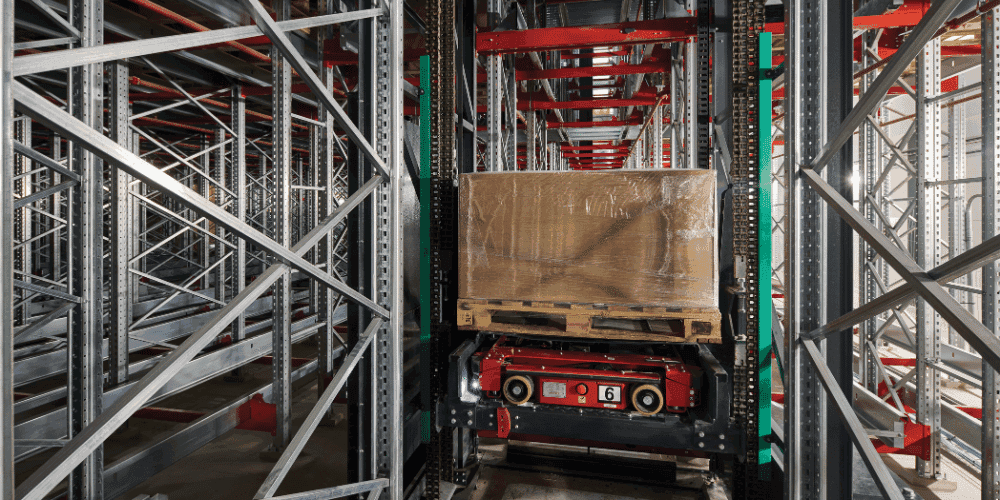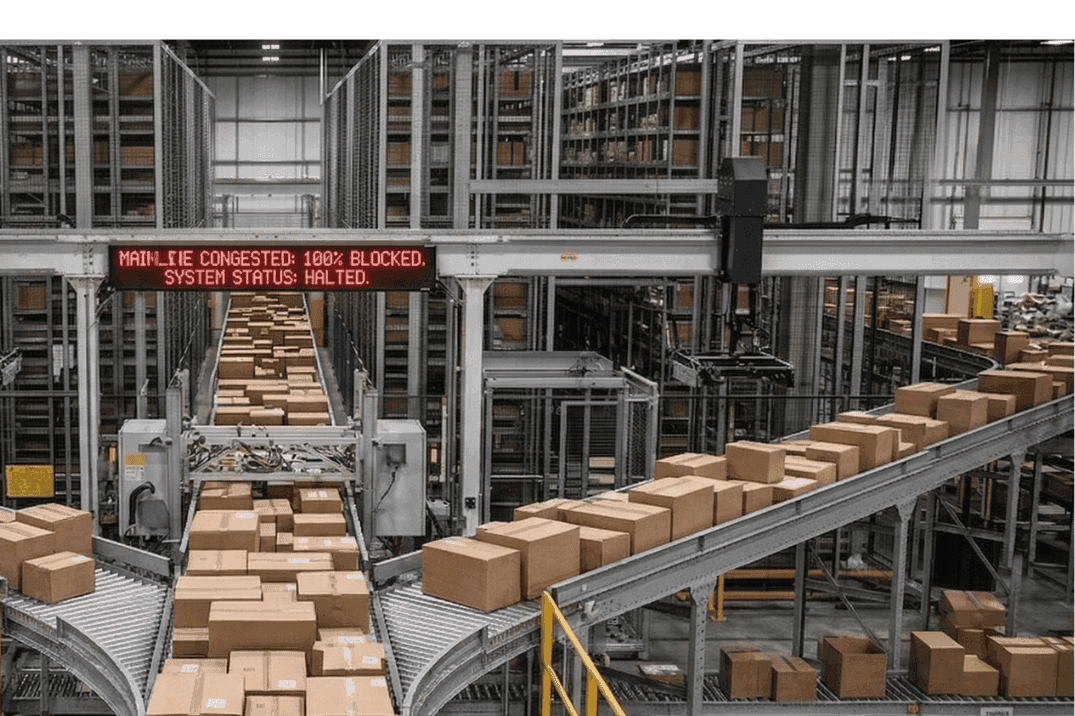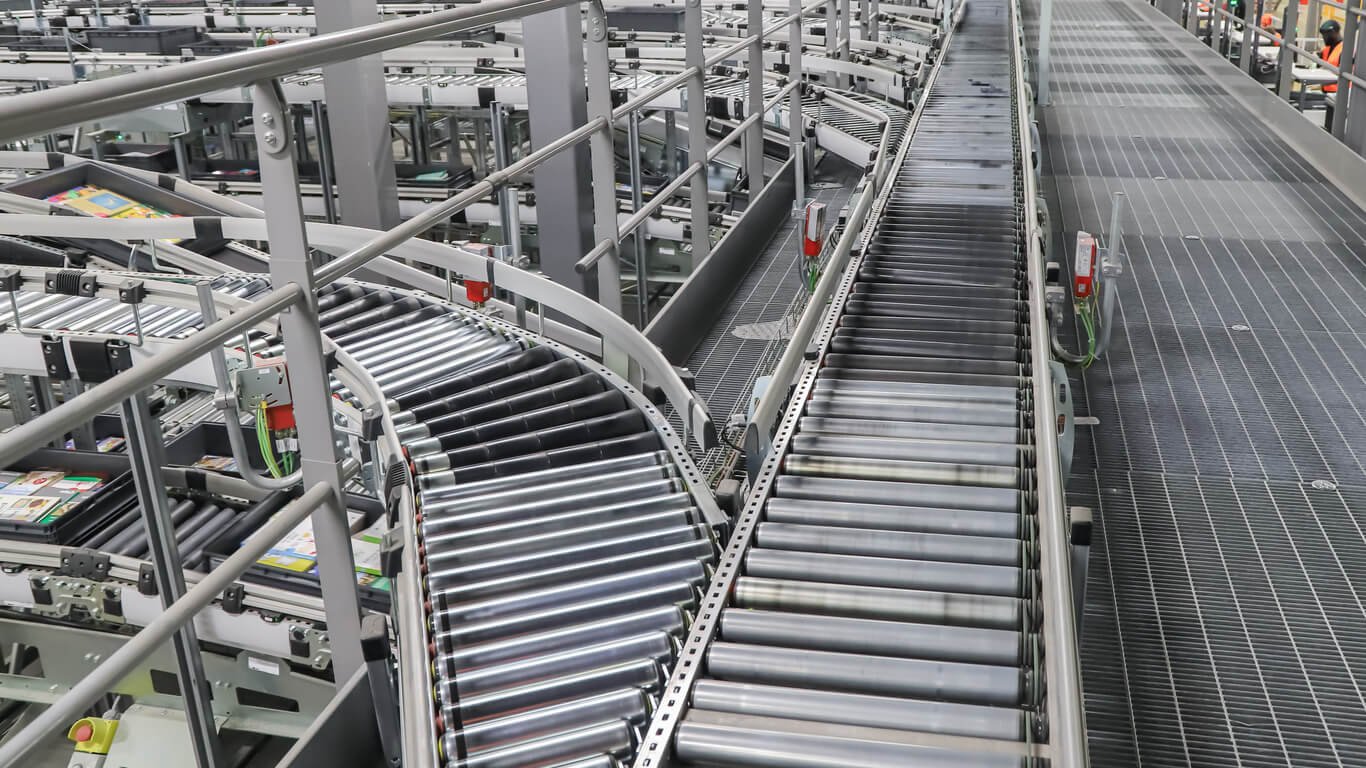
conveyor systems in a warehouse distribution environment

When Conveyors Stop Being the Right Backbone for Automation

For decades, conveyor systems have been the default infrastructure for moving products through warehouses, distribution centres, and manufacturing plants across the UK. Their reliability, scalability, and relatively low operating cost have made them the backbone of most material handling and mechanical handling operations. However, as operational demands evolve and alternative technologies mature, the question of when to use conveyor systems, and when to consider alternatives, is becoming increasingly important for businesses planning their automation strategy.

In simple terms, conveyor systems are most effective when products follow fixed, predictable routes at consistent volumes, and where a stable production line or warehouse automation layout justifies permanent infrastructure.

The Strengths That Make Conveyor Systems a Default Choice

Conveyor systems excel in environments where products follow predictable, repeatable paths at consistent volumes. High-throughput sortation, fixed-route transport between workstations, and accumulation buffering are all applications where conveyors deliver a robust and reliable solution that is difficult to match with other technologies.


The economics are straightforward: once installed, conveyors move large volumes at low per-unit cost with minimal operator intervention. For operations with stable product profiles and well-defined workflows, the case for conveyors remains strong.
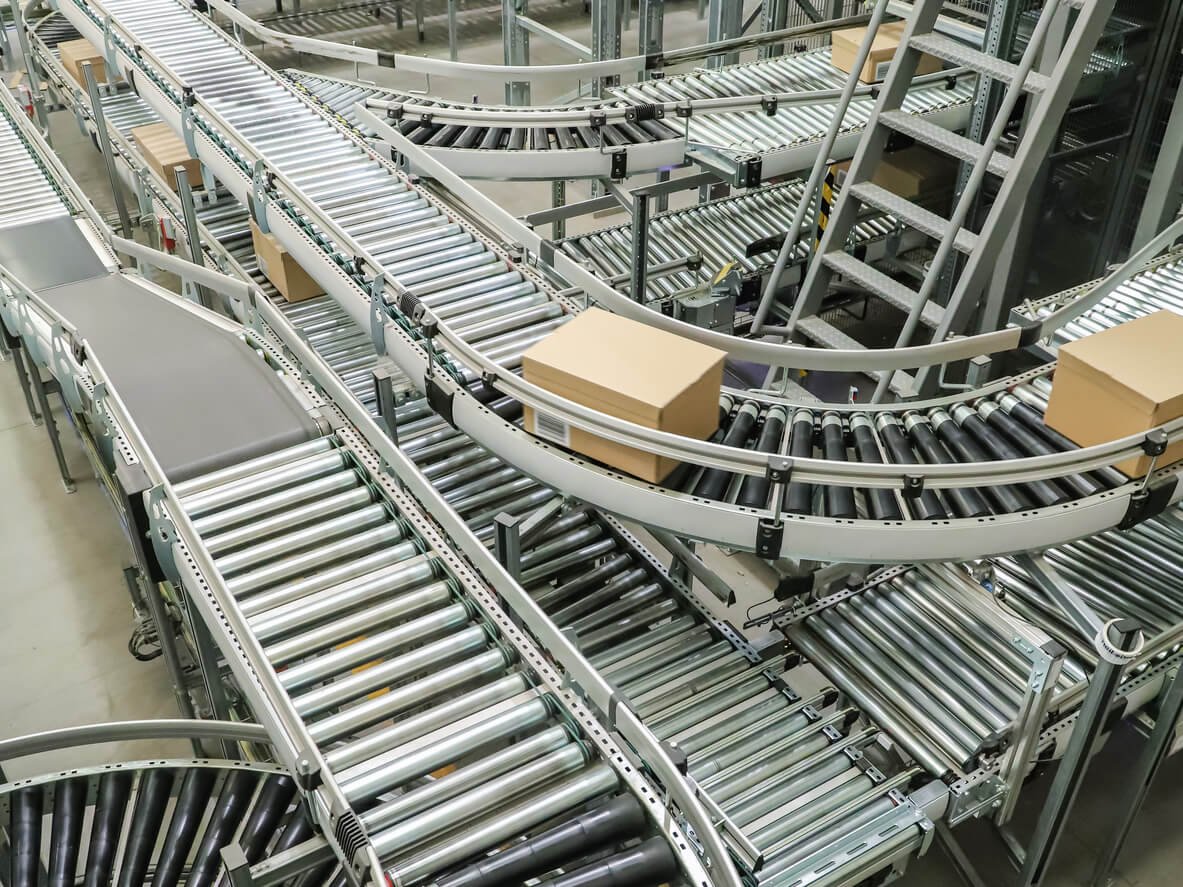
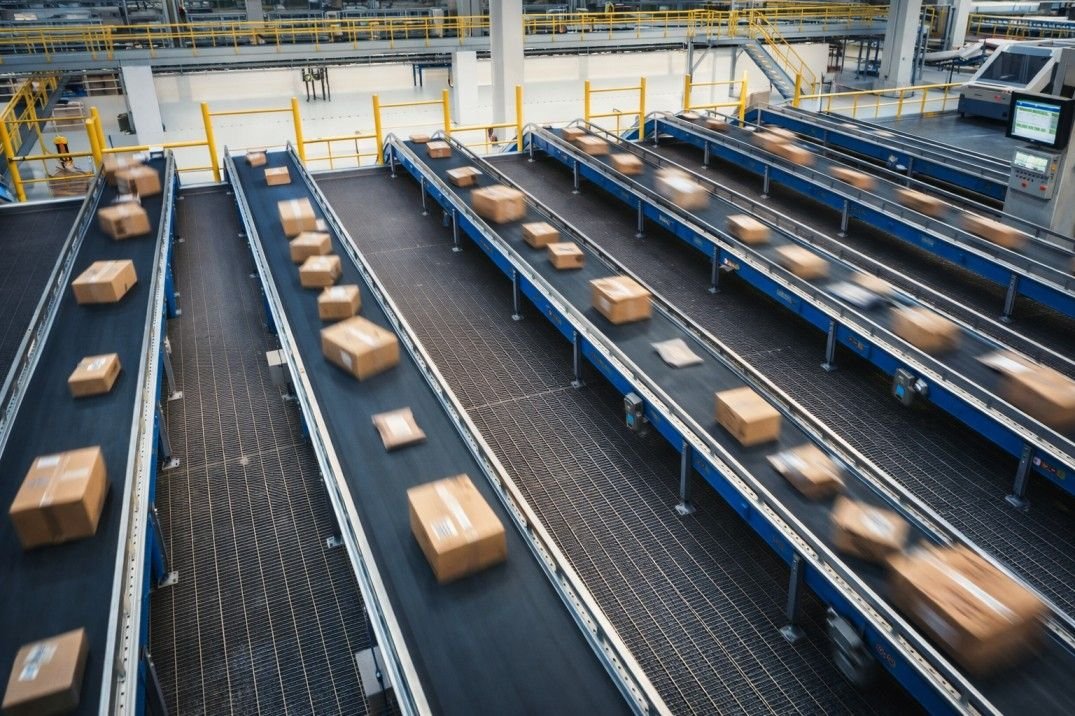
Multi-level roller conveyor system transporting cartons through an automated warehouse packaging and sortation network

The technology is mature, well-understood, and supported by an established supply chain of components, integrators, and maintenance providers across the UK. From food production and beverage manufacturing to e-commerce fulfilment, conveyors remain the dominant material transport method for high-volume operations.


This is also why automated conveyor systems remain central to many production processes. Whether handling finished goods, packaging, or raw materials, a well-designed conveyor layout can support automated production, improve inventory management, and maintain flow across a manufacturing production line or food production line.


Depending on the application, that may include:


Powered Roller Conveyors

Gravity Roller Conveyors

Slat Conveyors

Screw Conveyors

Pneumatic Conveyors

Overhead Conveyor System

Each of these conveyor types serves a different purpose, but the principle is the same: where movement is repeatable and throughput is sustained, conveyors remain one of the most effective solutions available.

Where Conveyor Systems Begin to Show Limitations


The limitations of conveyors become apparent when operational requirements shift towards flexibility, variability, and rapid reconfiguration. Fixed conveyor routes cannot easily adapt to changing layouts, and adding or removing sections typically requires engineering downtime and capital expenditure that may not be justified by short-term operational needs.

Several conditions signal that conveyors may no longer be the optimal solution:

Highly variable routing

When products need to travel different paths depending on order type, destination, or priority, fixed conveyors create complexity and inefficiency that increases with the number of routing permutations.

Frequent layout changes

Operations that reconfigure their floor plan seasonally or in response to demand shifts find that fixed conveyor infrastructure becomes a constraint rather than an enabler of operational agility.

Low or unpredictable volumes

Conveyors are most efficient at sustained high volumes; intermittent or low-volume operations may not justify the fixed infrastructure cost and may be better served by more flexible alternatives.

Space constraints

Conveyor runs consume significant floor space, and in facilities where space is at a premium, alternative transport methods may offer a better use of the available footprint and volume.

These constraints often become more pronounced around the sorting section of an operation, where routing complexity increases and fixed infrastructure can become harder to justify. They can also be amplified by the need to update conveyor system components, extend a long-distance conveyor system, or modify control systems that were originally designed around a more stable process.

Alternatives to Conveyor Systems in Modern Automation

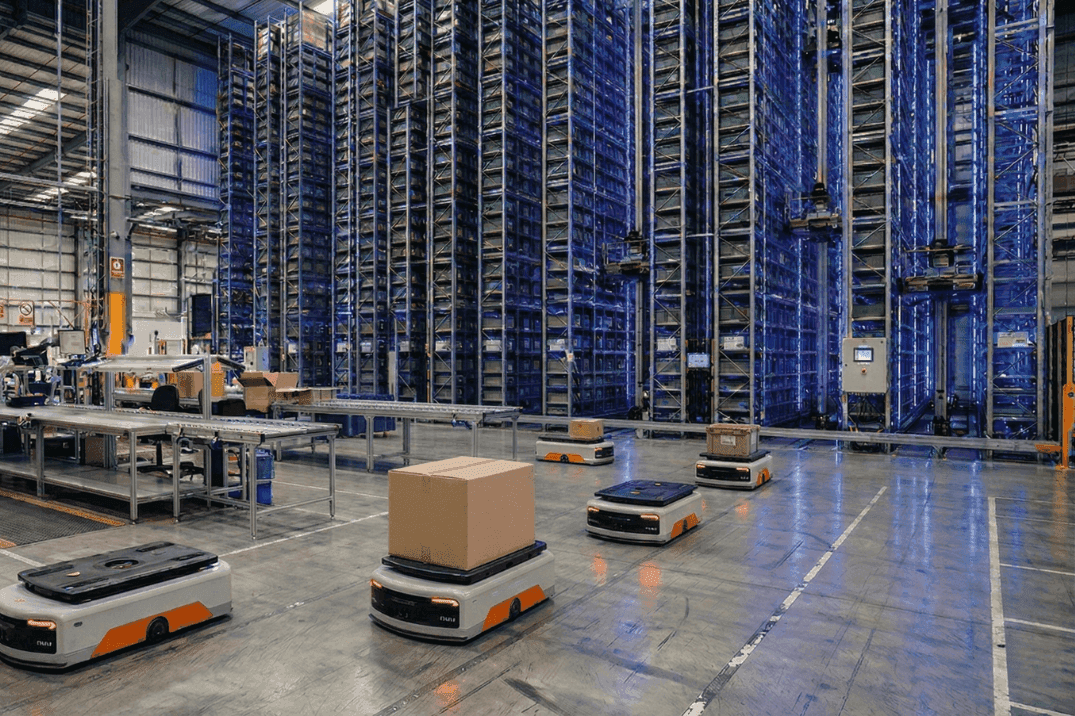
The growth of autonomous mobile robots (AMRs) and automated guided vehicles (AGVs) has created viable alternatives for product transport that offer flexibility conveyors cannot match. AMRs navigate dynamically using onboard sensors and software, can be redeployed without infrastructure changes, and scale incrementally by adding additional units as demand grows.


For operations that require frequent reconfiguration or handle highly variable product flows, AMR-based transport can deliver comparable throughput with significantly greater adaptability. The trade-off is typically in peak sustained throughput, where conveyors still hold a clear advantage for high-volume, fixed-path applications.

Autonomous mobile robots transporting goods alongside an automated storage and retrieval system in a high-density warehouse, illustrating flexible and scalable automation strategies

Understanding this trade-off is central to making the right decision about when to use conveyor systems and when to explore alternatives. The total cost of ownership, including infrastructure, conveyor maintenance, maintenance access, safety features, safety requirements, and reconfiguration costs, must be compared across technologies to arrive at a sound decision.


Conveyors remain strongest where product flow is dense, routing is stable, and the process benefits from permanent infrastructure. Alternatives become more attractive where flexibility matters more than absolute throughput.


Hybrid Approaches: Conveyors and Mobile Robotics Together


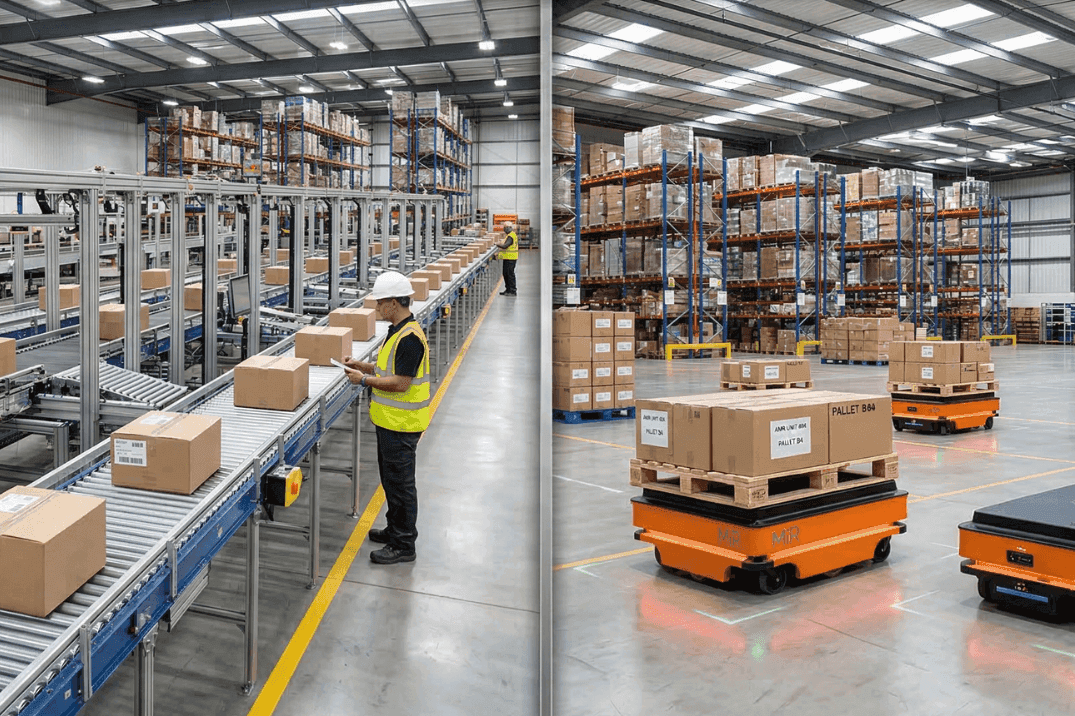
The decision of when to use conveyor systems is not always binary. Many modern facilities deploy hybrid architectures that combine fixed conveyor infrastructure for high-volume trunk lines with AMRs or AGVs for flexible last-mile transport, cross-docking, and dynamic routing. This approach leverages the strengths of both technologies.


The conveyor handles the predictable, high-density flows where its throughput and cost efficiency are unmatched. Mobile robotics manages the variable, lower-density tasks where flexibility is paramount. The interface between the two technologies requires careful design to ensure seamless product handoff, but the resulting system offers a balance of performance and adaptability that neither technology achieves alone. This hybrid model is becoming increasingly common in new-build facilities across the UK as operators seek to combine high throughput with operational agility.


In practice, this often depends on how effectively the wider system is engineered, including control systems, safety features, and the integration of conveyors with adjacent handling processes.

Choosing the Right Transport Strategy for the Long Term

As UK businesses navigate evolving market demands and increasing operational complexity, the decision of when to use conveyor systems requires careful analysis of current and future requirements. The most effective automation strategies are those that match the right transport technology to each specific application, creating a scalable and adaptable infrastructure that supports long-term growth and operational resilience.


For stable, high-volume flows, conveyor systems remain one of the most effective solutions available. For variable routing, rapid change, and less predictable movement, more flexible alternatives may be the better fit. The strongest long-term strategy is usually the one that aligns the chosen technology with the actual demands of the operation, rather than assuming one approach will suit every application.

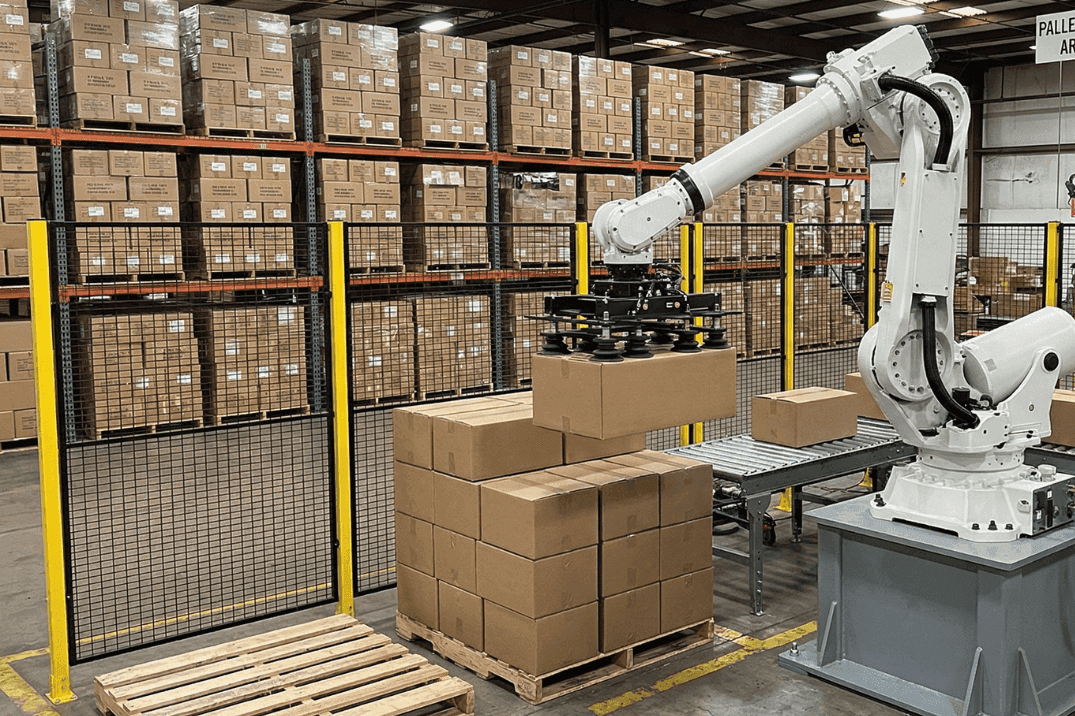
Industrial robotic arm stacking cardboard boxes onto a pallet from a conveyor system in a warehouse, demonstrating automated palletising and material handling efficiency

Fixed Conveyors or Mobile Robotics?

Speak to our engineers to determine the most cost-effective balance between high-throughput fixed infrastructure and flexible AMR solutions.